Feeling overwhelmed or tense? You’re not alone.
Stress can build up quickly, leaving your body tight and your mind restless. But what if you could simply stretch your way to calm? Yoga poses for relaxation are designed just for that—helping you release physical tension and quiet your busy thoughts.
Whether you’re new to yoga or looking for gentle ways to unwind, these simple poses can be your secret to feeling peaceful and refreshed. Keep reading to discover easy, effective yoga stretches that will soothe your nervous system and melt away stress, right from your own space. Your path to calm starts here.
Relaxing Yoga Styles
Relaxing yoga styles help calm your mind and body. They focus on gentle movements and deep breathing. These practices reduce stress and promote rest. Each style offers unique ways to unwind and recharge.
Restorative Yoga
Restorative yoga uses props like blankets and blocks. It supports the body in restful poses. You hold poses for several minutes. This practice helps release tension slowly. It soothes the nervous system and lowers stress.
Yin Yoga
Yin yoga targets deep tissues and joints. Poses are held for longer times, usually three to five minutes. It helps stretch connective tissues and improve flexibility. Yin yoga encourages stillness and mindfulness. It promotes calmness and mental clarity.
Hatha Yoga
Hatha yoga combines slow movements with steady breathing. It balances the body and mind gently. This style uses classic yoga poses at a relaxed pace. Hatha helps improve focus and reduce anxiety. It is suitable for beginners and those seeking peace.

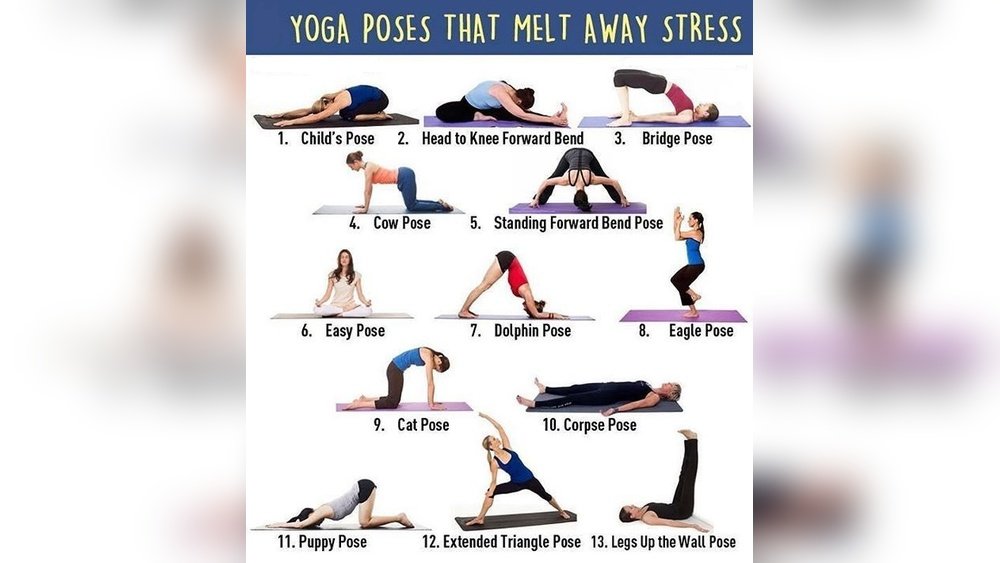
Credit: www.banyanbotanicals.com
Calming Yoga Poses
Calming yoga poses help quiet the mind and soothe the body. These gentle postures ease muscle tension and lower stress levels. They invite deep breathing and peaceful stillness.
Practicing calming yoga poses supports restful sleep and reduces anxiety. Simple movements combined with mindful breathing create a sense of calm. These poses suit all skill levels and need little space.
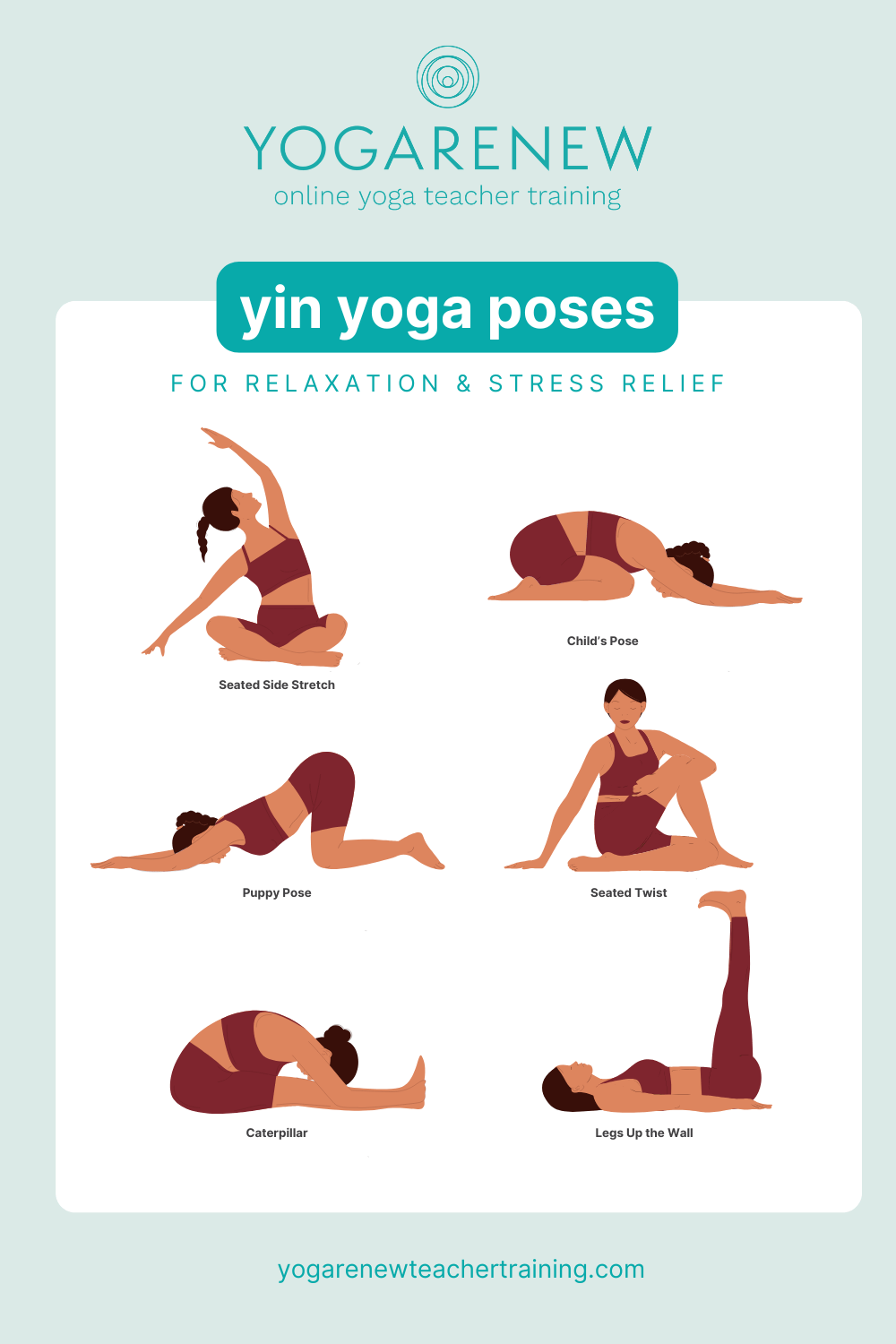
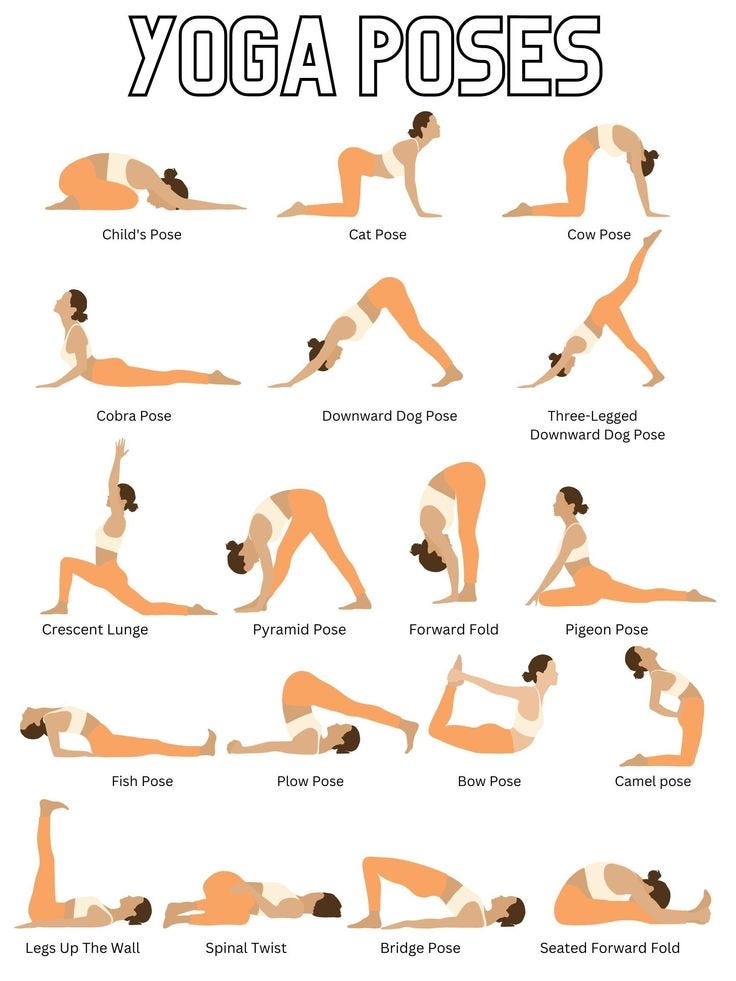
Child’s Pose
Start by kneeling on the floor with your big toes touching. Sit back on your heels and slowly fold your torso forward. Extend your arms in front or rest them alongside your body. Rest your forehead gently on the mat. This pose relaxes the back, shoulders, and neck. It calms the mind and relieves tension.
Legs-up-the-wall
Find a clear wall space and sit beside it. Lie on your back and swing your legs up against the wall. Keep your arms relaxed by your sides or on your belly. Close your eyes and breathe deeply. This pose improves circulation and eases tired legs. It helps reduce anxiety and promotes calmness.
Savasana
Lie flat on your back with legs slightly apart. Let your arms rest by your sides, palms facing up. Close your eyes and focus on steady breathing. Allow your entire body to relax completely. This pose encourages deep rest and mental stillness. It is perfect to end any yoga session or unwind before sleep.
Spinal And Hip Openers
Spinal and hip openers are essential in yoga for easing tension and promoting relaxation. These poses gently stretch the spine and hips, which often hold stress after long hours of sitting or standing.
Opening these areas improves flexibility and encourages better posture. This helps the body release tightness and restores calmness. These poses also support better blood flow and reduce stiffness.
Supine Twist
The Supine Twist is a simple spinal twist done lying on the back. It relieves tension in the lower back and massages the internal organs. To do it, lie on your back, pull one knee across the body, and turn your head in the opposite direction. Keep the shoulders flat on the ground.
This pose calms the nervous system and promotes deep breathing. It is perfect for relaxation after a busy day or intense yoga practice.
Supported Bridge Pose
Supported Bridge Pose opens the chest, spine, and hips gently. Lie on your back and place a block or cushion under your sacrum for support. Keep your feet hip-width apart and arms by your sides.
This pose relieves lower back pain and reduces fatigue. It also helps open the hips and chest without strain, encouraging deep relaxation and better circulation.
Happy Baby Pose
Happy Baby Pose stretches the hips and soothes the spine. Lie on your back, bend your knees, and hold the outer edges of your feet. Gently pull your knees toward your armpits.
This pose releases tension in the hips and lower back. It calms the mind and helps reduce anxiety. It feels playful and relaxing, perfect for winding down.
Credit: healingwithhorsesranch.org
Gentle Movement Sequences
Gentle movement sequences help the body relax deeply. These movements flow slowly, easing tension in muscles and joints. They prepare the mind to let go of stress and find calm. Practicing gentle yoga sequences improves flexibility and circulation. These sequences also connect breath with movement, enhancing relaxation.
Cat-cow Stretch
The Cat-Cow Stretch is a simple yoga pose that warms up the spine. Begin on hands and knees with a flat back. Inhale as you arch your back, lifting your head and tailbone. This is the Cow pose. Exhale as you round your spine, tucking the chin and tailbone. This is the Cat pose. Repeat slowly, following your breath. This stretch releases tension in the neck, shoulders, and back.
Seated Cat-cow Warmup
The Seated Cat-Cow Warmup offers a gentle alternative to the floor version. Sit cross-legged or on a chair with your feet flat. Place your hands on your knees or thighs. Inhale as you open your chest and lift your gaze. Exhale as you round your back and tuck your chin. Move slowly with your breath to loosen the spine. This warmup calms the nervous system and improves posture.
Benefits For Mind And Body
Yoga poses for relaxation offer many benefits for both mind and body. They help ease tension and create a peaceful state. Regular practice calms mental stress and supports physical healing. These poses improve overall wellness by balancing body functions and soothing the mind.
Stress Reduction
Yoga poses lower stress hormones in the body. They encourage slow, deep breathing that relaxes the mind quickly. Holding gentle poses helps release muscle tightness caused by stress. This practice creates a calm mental space and reduces feelings of anxiety.
Nervous System Calm
Relaxing yoga poses activate the parasympathetic nervous system. This system slows the heart rate and eases the nervous system’s activity. It helps the body switch from fight-or-flight to rest-and-digest mode. This shift promotes deep relaxation and mental clarity.
Improved Circulation
Many yoga poses enhance blood flow throughout the body. Improved circulation delivers more oxygen and nutrients to muscles and organs. This supports healing and reduces fatigue. Better blood flow also helps clear toxins, leaving you feeling refreshed.
Tips For Deep Relaxation
Deep relaxation enhances the benefits of yoga poses. It helps calm the mind and ease body tension. Simple techniques can improve your relaxation experience during yoga practice. Focus on breathing, comfort, and surroundings for best results.
Breathing Techniques
Breathing deeply and slowly signals your body to relax. Try inhaling through your nose for four counts. Hold your breath for four counts. Exhale slowly for six counts. Repeat this cycle to reduce stress and calm your mind. Breathing this way supports your yoga poses and helps release tension.
Use Of Props
Props like blankets, blocks, and bolsters support your body in poses. They make holding poses easier and more comfortable. Use a blanket under your knees or head for extra cushioning. Place blocks under your hands or hips for better alignment. Props help your muscles relax fully without strain.
Creating A Relaxing Environment
Choose a quiet space with soft lighting for yoga practice. Dim lights or candles create a soothing atmosphere. Play gentle music or nature sounds to enhance calmness. Keep the room warm enough to feel cozy but not hot. A peaceful environment helps your mind focus and relax deeply.
Credit: medium.com
Frequently Asked Questions
What Is The Most Relaxing Pose In Yoga?
The most relaxing yoga pose is Child’s Pose (Balasana). It gently stretches the back, shoulders, and neck while calming the mind and body. This pose reduces tension and promotes deep relaxation, making it ideal for stress relief and unwinding after a busy day.
Can Yoga Help With Nerve Damage?
Yoga can improve nerve function by reducing pain and promoting neuroplasticity. Gentle poses enhance circulation and relieve tension. Regular practice supports nerve healing and relaxation.
What Kind Of Yoga Is Best For Relaxation?
Restorative, Yin, and Hatha yoga best promote relaxation. They use slow movements, deep breathing, and long-held passive poses. Poses like Child’s Pose, Legs-Up-the-Wall, and Savasana calm the nervous system and release tension effectively. These styles help reduce stress and encourage deep mental and physical relaxation.
What Yoga Pose Is Associated With Relaxation?
Child’s Pose (Balasana) is the yoga pose most associated with relaxation. It gently releases tension and calms the nervous system.
Conclusion
Practicing these yoga poses daily can bring calm and peace. Each pose helps release tension and quiet the mind. Simple movements and deep breathing ease stress effectively. Try incorporating them into your routine for better rest. Enjoy the gentle flow and feel your body relax.
Small steps lead to lasting calm and balance.