
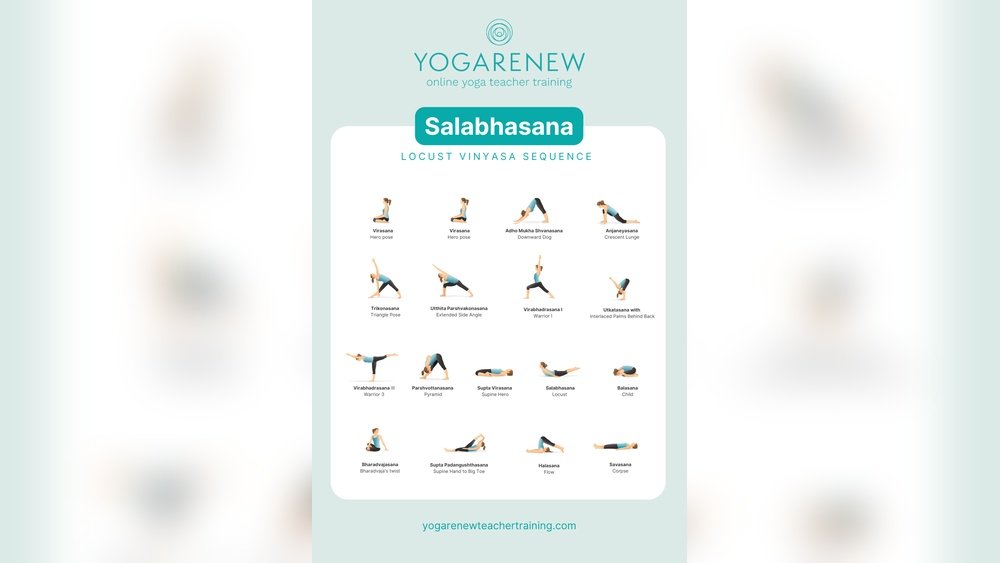
Salabhasana Pose: Benefits, Technique, And Complete Guide
Yoga offers many postures that help stretch, strengthen, and relax the body. Among these, Salabhasana pose—also known as the Locust Pose—stands out as a powerful backbend that is both accessible and transformative. While it may look simple, this pose works deeply into the spine, back muscles, and mind. Understanding how to practice Salabhasana safely and effectively can unlock a range of health benefits, especially for those who spend long hours sitting or suffer from back discomfort.
This article will take you through everything you need to know about Salabhasana. You will learn what the pose is, how to do it step by step, its benefits, common mistakes, variations, and who should avoid it. You will also find tips to improve your practice, a comparison with similar poses, and answers to common questions.
Whether you are a yoga beginner or looking to deepen your practice, this guide will help you make the most of the Locust Pose.
What Is Salabhasana Pose?
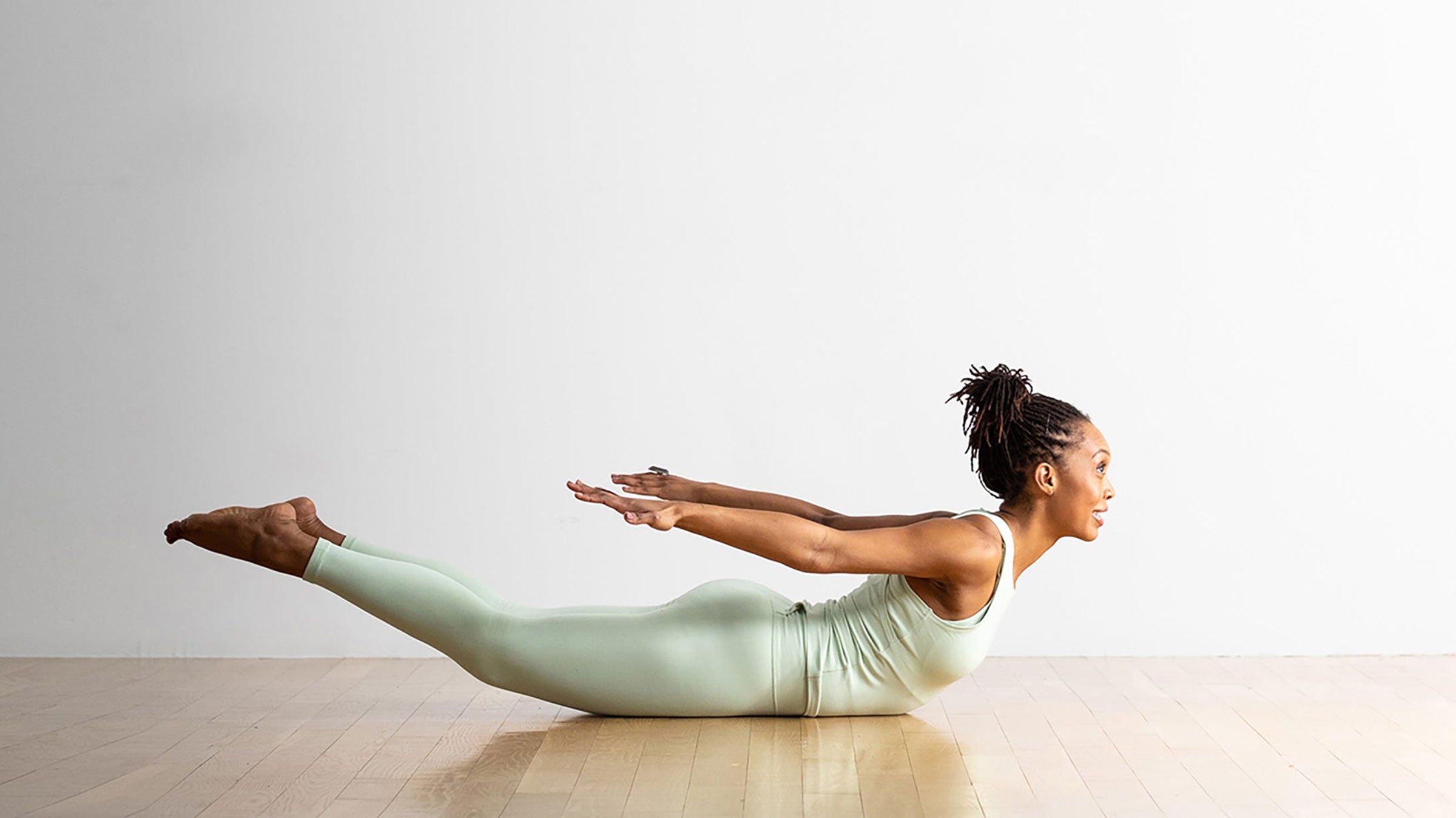
Salabhasana is a Sanskrit word: “Salabha” means locust or grasshopper, and “asana” means posture. In Salabhasana, you lie face down and lift your legs, chest, and arms off the ground. The body takes the shape of a flying locust, which is where the name comes from.
Salabhasana is a foundational prone backbend in Hatha Yoga and is often taught before more advanced poses like Dhanurasana (Bow Pose). It is known for strengthening the back, improving posture, and increasing energy.
How To Do Salabhasana Pose
Practicing Salabhasana is about control and awareness, not just force. Here is a step-by-step guide:
1. Start Position
Lie flat on your stomach on a yoga mat. Place your arms by your sides, palms facing down. Rest your forehead gently on the mat, keeping the neck relaxed.
2. Body Alignment
Keep your legs straight and together. Point your toes back. Engage your thigh muscles to protect your lower back.
3. Hand Position
You can keep your hands beside your body, under your thighs, or stretched back with palms facing down. Beginners may find it easier with hands under the thighs.
4. Engage And Inhale
As you inhale, press your hips and pubic bone into the mat. Lift your chest, head, arms, and legs off the floor simultaneously. Try to keep your neck long and gaze forward.
5. Hold The Pose
Maintain this position for 5–10 breaths (about 10–30 seconds for beginners). Focus on squeezing your back muscles and keeping your body lifted without strain.
6. Release
Exhale gently and lower your legs, arms, and head back to the mat. Relax completely before repeating.
7. Repeat
Practice 2–3 rounds, resting between each round.
Practical Tips
- Do not force your body higher than it feels ready.
- Keep your breath steady and avoid holding your breath.
- If you feel tension in the lower back, try lifting only the chest or legs at first.
Key Benefits Of Salabhasana
Salabhasana is more than just a back exercise. It affects many parts of the body and mind.
1. Strengthens The Back
This pose works the erector spinae muscles, which support the spine. Stronger back muscles help prevent slouching and support better posture.
2. Opens The Chest And Shoulders
Lifting the chest opens tight shoulders and expands the lungs. This can improve breathing and reduce the negative effects of sitting.
3. Stimulates Digestive Organs
The gentle pressure on the abdomen stimulates the digestive system. Many practitioners report improved digestion and relief from mild constipation.
4. Tones The Glutes And Legs
When lifting the legs, you engage the gluteal muscles and hamstrings. This tones the lower body and improves hip flexibility.
5. Boosts Energy And Focus
Backbends are known for increasing energy and reducing fatigue. Practicing Salabhasana in the morning can help you feel more alert.
6. Supports Spinal Health
Salabhasana gently stretches the spine, which can help with stiffness and mild discomfort from inactivity.
7. Builds Confidence
Like all backbends, this pose opens the front of the body and can boost mood. Many people find that regular practice builds a feeling of confidence and openness.
Muscles Worked In Salabhasana
Understanding which muscles are activated can help you practice safely and effectively. Below is a comparison between the main muscles used in Salabhasana and those in other common yoga backbends.
| Pose | Main Muscles Activated |
|---|---|
| Salabhasana | Lower back, glutes, hamstrings, shoulders |
| Bhujangasana (Cobra) | Upper back, triceps, chest, abs |
| Dhanurasana (Bow) | Back, quads, chest, hip flexors |
Common Mistakes And How To Avoid Them
Even simple-looking poses can be tricky. Here are some common mistakes in Salabhasana and how to fix them:
1. Overarching The Lower Back
Lifting too high with force can compress the lower spine. Instead, focus on lengthening the spine and using your back muscles, not momentum.
2. Strained Neck
Looking up too much can cause neck pain. Keep your gaze slightly forward and neck in line with the spine.
3. Holding Breath
Forgetting to breathe can increase tension. Maintain slow, steady breaths throughout the pose.
4. Locked Knees Or Elbows
Locking joints reduces muscle work and can cause injury. Keep a micro-bend in your knees and elbows if needed.
5. Letting Legs Splay Apart
Keep your legs together for better engagement and spinal alignment.
Non-obvious Insight
Beginners often forget that the action of pressing the pubic bone down is key. This protects the lower back and helps you lift higher with less risk.
Variations And Modifications
Salabhasana can be adapted for different levels. Here are some ways to adjust the pose:
For Beginners
- Lift Only the Chest or Legs
Start by lifting just your chest or your legs. This makes the pose less intense while still building strength.
- Use a Folded Blanket
Place a blanket under your hips for comfort and support.
For Advanced Practitioners
- Full Locust Pose (Poorna Salabhasana)
Lift the arms, chest, and both legs higher, aiming for maximum extension.
- Arms Forward Variation
Stretch your arms overhead in line with your ears as you lift.
For Injury Or Limited Mobility
- One-Leg Variation
Lift one leg at a time, keeping the other on the floor.
- Wall Support
Practice with your feet pressing against a wall for stability.
Who Should Avoid Salabhasana?
Not every pose is for everyone. Salabhasana is generally safe, but some people should avoid it or consult a doctor first:
- Pregnant women (after the first trimester)
- People with recent back, neck, or abdominal injuries
- Those with hernia or recent abdominal surgery
- Anyone with chronic spinal issues (consult a yoga therapist or doctor)
If you feel pain (not just muscle effort) in your lower back, come out of the pose immediately.
Salabhasana Vs. Similar Backbends
Many yoga poses look similar but have different effects. Here’s how Salabhasana compares to two other popular backbends:
| Pose | Difficulty | Key Focus | Best For |
|---|---|---|---|
| Salabhasana | Beginner–Intermediate | Back and glute strength | Building foundational strength |
| Bhujangasana (Cobra) | Beginner | Upper back, chest opening | Improving posture, gentle backbend |
| Dhanurasana (Bow) | Intermediate–Advanced | Full body flexibility | Deep backbend, advanced practice |
Credit: www.yogajournal.com
When And How Often To Practice Salabhasana
For most people, practicing Salabhasana 3–4 times per week is enough to see benefits. Include it after warming up but before relaxing poses like Child’s Pose. Avoid doing it on a full stomach or late at night.
If your back is sore or tired, a gentle version (lifting only the chest or legs) can help relieve tightness. Always listen to your body.
How Salabhasana Supports Modern Lifestyles
In today’s world, many people spend hours at desks, on phones, or driving. This leads to tight shoulders, weak back muscles, and poor posture.
Salabhasana works directly against these problems. By strengthening the back and opening the chest, it can reduce the risk of posture-related pain and tension. Adding this pose to your routine—even a few minutes a day—makes a real difference over time.
Non-obvious Insight
Many people focus on stretching the back but forget about strengthening it. Salabhasana does both, making it one of the most balanced poses for everyday health.

Credit: liforme.com
Tips For Progressing In Salabhasana
If you want to advance in this pose, focus on technique, not just height.
- Work on Core Strength
A strong core supports the lower back and makes it easier to lift higher.
- Practice Consistently
Even 30 seconds a day, several times a week, helps build strength.
- Add Support
Using a yoga block between the thighs can help keep legs together and activate inner thighs.
- Try Video Guidance
Watching instructional videos from certified teachers can help you spot mistakes you might miss.
Scientific Research And Yoga Therapy
Research shows that gentle backbends like Salabhasana can help with back pain and improve mood. A study published in the International Journal of Yoga found that regular yoga practice can reduce chronic lower back pain and increase mobility.
Yoga therapists often use Salabhasana as part of a rehabilitation program for mild back issues, especially when combined with other gentle movements.
For more on yoga’s benefits for back health, see this medical review.

Credit: www.yogajournal.com
Example Routine Including Salabhasana
Here is how you might include Salabhasana in a short yoga session:
- Cat-Cow Pose (1 minute)
- Downward Dog (1 minute)
- Bhujangasana (Cobra) (3–5 breaths)
- Salabhasana (2 rounds, 10–20 seconds each)
- Child’s Pose (rest for 1 minute)
- Seated Forward Fold (cool down)
This sequence warms the spine, strengthens the back, and allows for relaxation at the end.
Salabhasana For Different Age Groups
Salabhasana is usually safe for adults of all ages, but approach with care:
- Teens/Young Adults: Great for developing strong backs and correcting posture from school bag use.
- Middle Age: Helps reduce stiffness from sitting and keeps the spine mobile.
- Older Adults: Practice gentle variations, lifting only the chest or one leg. Focus on slow, controlled movements.
If you have health concerns, ask a doctor or yoga therapist before starting.
Frequently Asked Questions
What Is The Main Purpose Of Salabhasana Pose?
The main purpose is to strengthen the back muscles, improve posture, and increase spinal flexibility. It also tones the legs and glutes, supports healthy digestion, and boosts energy.
Is Salabhasana Safe For Beginners?
Yes, Salabhasana is safe for most beginners if done with proper alignment and without forcing. Start slowly, use modifications if needed, and avoid if you have back or abdominal injuries.
How Long Should I Hold Salabhasana?
Hold the pose for 5–10 breaths (about 10–30 seconds) at first. With practice, you can increase the time to 1 minute, but focus on quality and comfort over duration.
Can Salabhasana Help With Back Pain?
Yes, regular practice can help relieve mild back pain caused by muscle weakness or poor posture. However, if you have a serious back injury, consult a medical professional before practicing.
What Is The Difference Between Salabhasana And Bhujangasana?
Salabhasana lifts both the legs and chest off the floor, focusing on the lower back and glutes. Bhujangasana (Cobra Pose) keeps the legs on the ground and uses the arms to lift the chest, focusing on the upper back and chest.
Salabhasana is a simple yet powerful yoga pose that supports a strong, healthy back and balanced body. With regular practice, patience, and attention to detail, it can bring real benefits to your daily life.