The Hero Yoga Pose—known in Sanskrit as Virasana—is a simple yet powerful posture that has supported yogis for centuries. While it may look easy, this seated pose offers much more than meets the eye. Hero Pose calms the mind, stretches the legs, and helps with meditation. But there’s a lot to know before you sit down and fold your legs. Let’s explore the real benefits, correct technique, and subtle details that make Hero Yoga Pose a favorite for beginners and advanced practitioners alike.
What Is Hero Yoga Pose?
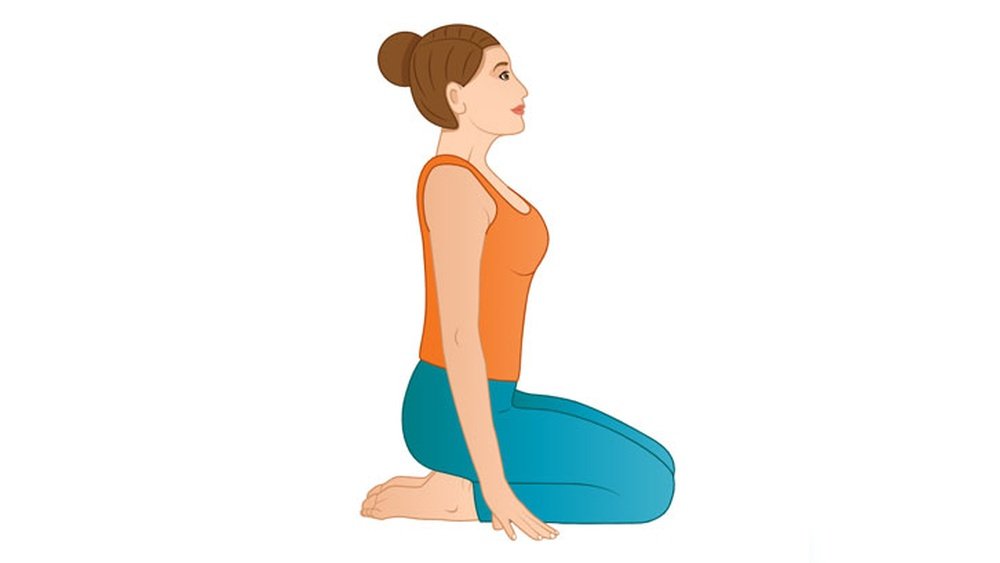
Hero Pose, or Virasana, is a traditional seated posture in yoga. The word “Vira” means “hero” in Sanskrit, symbolizing courage and inner strength. In this pose, you kneel on the floor, sit back between your feet, and lengthen your spine. While it looks like a simple resting position, Hero Pose has many physical and mental benefits.
Unlike sitting cross-legged, Hero Pose stretches the thighs, knees, and ankles in a unique way. It is often used for meditation, breathing exercises, or as a break during more intense yoga sequences. This pose is not just about flexibility—it’s about finding stillness and focus.
How To Do Hero Pose (step-by-step)
Practicing Hero Pose with correct alignment is important for safety and comfort. Here’s how to get started:
- Start in a Kneeling Position: Kneel on the floor with your knees together and your thighs perpendicular to the ground.
- Separate Your Feet: Move your feet slightly wider than your hips, keeping the tops of your feet flat on the mat.
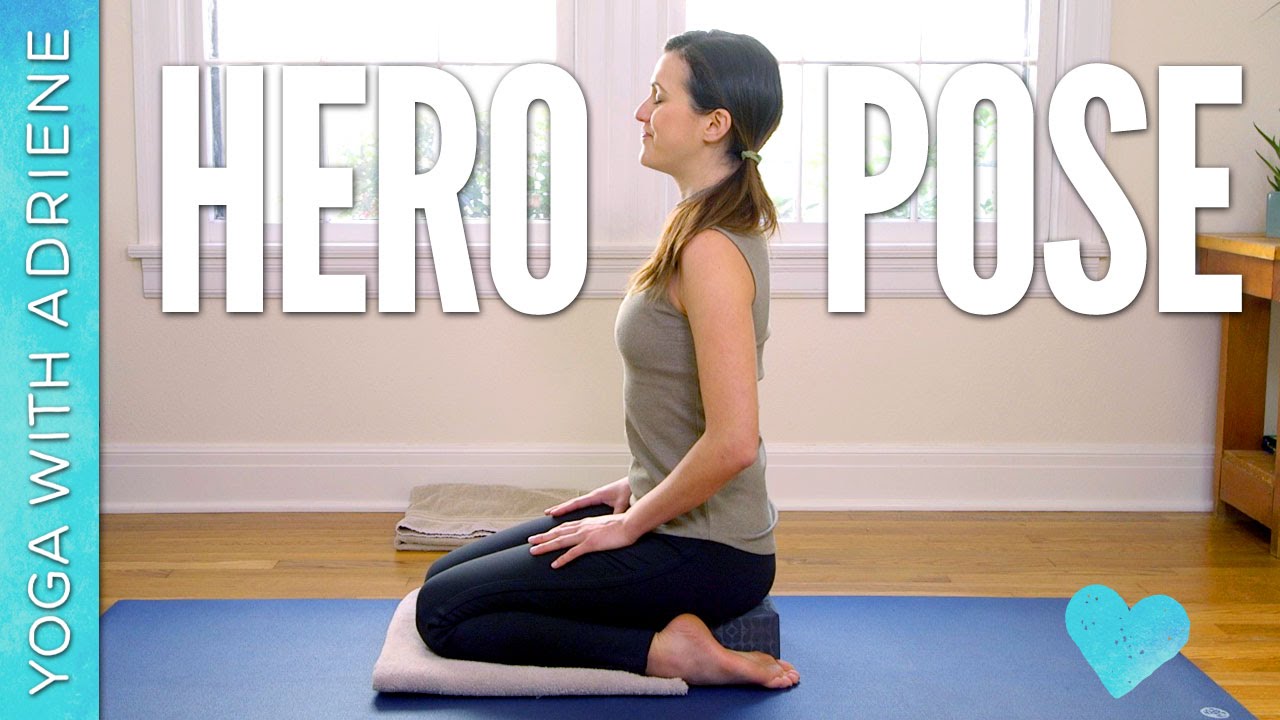
- Sit Between Your Feet: Slowly lower your hips down, sitting between your heels. Make sure your buttocks touch the floor, not resting on your feet.
- Align Your Spine: Sit up tall, lengthen your back, and relax your shoulders. Place your hands on your thighs.
- Hold and Breathe: Stay in the pose for 30 seconds to 1 minute at first. With practice, you can hold longer.
If you feel discomfort in your knees or ankles, use a yoga block or folded blanket under your hips for support.
Common Alignment Mistakes
- Knees too wide apart—keep them together for best alignment.
- Hips resting on the feet instead of the floor—use props if needed.
- Slouching—keep your back straight and shoulders relaxed.
Credit: www.youtube.com
Physical Benefits Of Hero Pose
Hero Yoga Pose may seem gentle, but it gives your body a deep stretch and offers several unique benefits:
- Stretches Thighs and Knees: It lengthens the quadriceps and gently opens the knees, which is rare in other seated poses.
- Improves Ankle Flexibility: Sitting on the floor stretches the ankles and feet, helping prevent stiffness.
- Relieves Tired Legs: After standing or walking all day, Hero Pose can reduce fatigue in your legs.
- Supports Good Posture: By aligning the spine and relaxing the shoulders, it trains your body to sit upright.
- Aids Digestion: Sitting in this pose after a meal is believed to help digestion in yoga tradition.
Some yoga teachers recommend Hero Pose for people who spend long hours sitting in chairs. It stretches areas that get tight from regular sitting and helps you move more freely.
Mental And Emotional Benefits
Hero Pose is not just physical—it also supports the mind and emotions:
- Calms the Mind: The upright, stable position is perfect for meditation and deep breathing.
- Reduces Stress: Focusing on your breath while in Hero Pose can lower stress and anxiety.
- Builds Patience: Holding the pose for a few minutes trains your mind to be patient and calm.
- Boosts Confidence: The “heroic” posture can help you feel more confident and strong.
Many people find that starting or ending their day in Hero Pose helps them feel centered. It’s also a good pose to use before important meetings or stressful situations.
Hero Pose Vs. Other Seated Poses
It’s easy to confuse Hero Pose with similar seated yoga positions. Here’s a comparison to make the differences clear:
| Pose | Leg Position | Main Benefit |
|---|---|---|
| Hero Pose (Virasana) | Knees together, feet apart, sitting between heels | Stretches thighs, knees, and ankles |
| Easy Pose (Sukhasana) | Legs crossed, feet under knees | Comfortable, basic seated position |
| Lotus Pose (Padmasana) | Feet on opposite thighs, knees wide | Advanced, for meditation |
Hero Pose is more accessible than Lotus Pose but gives a deeper stretch than Easy Pose. Choose the position that fits your flexibility and needs.
When And How To Use Hero Pose
Hero Pose fits into many parts of a yoga practice and daily life:
- Meditation: Use Hero Pose instead of sitting cross-legged for longer, more comfortable meditation.
- Pranayama (Breathing): The upright spine and open chest make it ideal for breathing exercises.
- During Yoga Practice: Take a break in Hero Pose between challenging poses to rest and reset.
- After Meals: In traditional yoga, sitting in Hero Pose after eating is believed to help digestion.
- Work Breaks: Try Hero Pose for a few minutes instead of sitting in a chair to relieve tension.
Some yoga classes start and end with Hero Pose to help students focus and connect with their practice.
Who Should Avoid Hero Pose?
While Hero Pose is safe for most people, it’s not for everyone. Avoid this pose if you:
- Have a knee injury or recent knee surgery.
- Feel sharp pain in your knees, ankles, or hips.
- Have severe arthritis in the lower body.
- Are unable to sit on the floor comfortably, even with props.
If you’re unsure, ask a qualified yoga teacher or healthcare provider before practicing Hero Pose.
Modifications And Props For Comfort
Don’t worry if you can’t sit all the way down at first. Many people need support, especially beginners. Here are ways to make Hero Pose more comfortable:
- Yoga Block or Cushion: Place a block or firm cushion between your feet and sit on it. This reduces pressure on your knees.
- Blanket Under Ankles: If your feet or ankles feel sore, put a folded blanket under them.
- Rolled Towel Behind Knees: If you have knee pain, a small towel can relieve pressure.
- Wall Support: If you struggle to keep your back straight, sit with your back against a wall.
With regular practice and props, most people find they can increase their flexibility and comfort in Hero Pose.
Advanced Variations
Once you’re comfortable in basic Hero Pose, you can try advanced versions to deepen your practice:
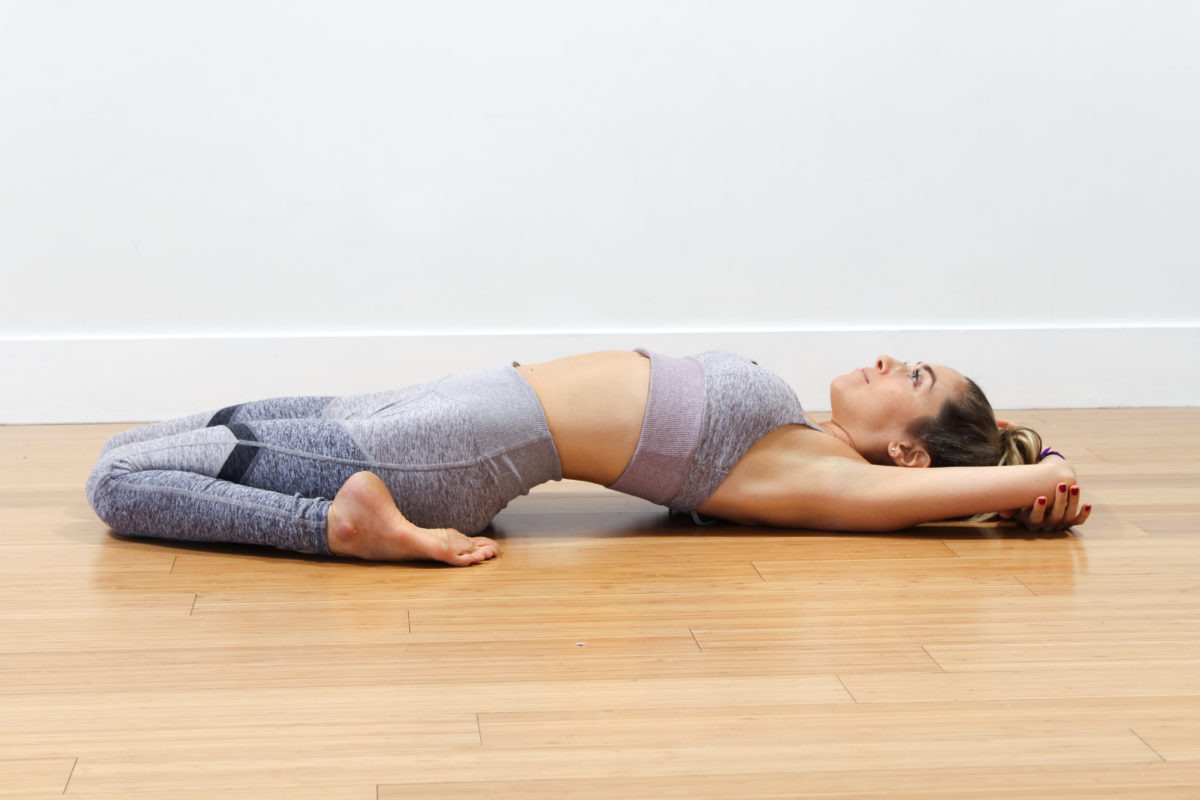
- Reclining Hero Pose (Supta Virasana): Lie back on the floor while keeping your legs in Hero Pose. This gives a deep stretch to the front of your body. Use support under your back or head if needed.
- Twists: From Hero Pose, gently twist your torso to the right and left, placing your hand behind you for support.
- Arm Variations: Add arm stretches or reach your arms overhead while holding Hero Pose.
These variations should only be tried if you are comfortable in basic Hero Pose and feel no pain.
Scientific Research On Hero Pose
Modern research supports many of the traditional benefits of Hero Pose:
- A 2013 study found that seated yoga poses, including Hero Pose, can reduce lower back pain and improve posture in office workers.
- Another study published in 2017 showed that yoga poses like Virasana improve balance and mobility in older adults.
- Practicing Hero Pose after meals can help slow down the nervous system and may improve digestion, according to yoga therapists.
These findings confirm what yogis have known for centuries—Hero Pose is both safe and effective for most people when practiced mindfully.
Tips For Beginners
Hero Pose can feel challenging at first. Here are some tips to make your practice easier and safer:
- Warm Up First: Stretch your legs and knees before sitting in Hero Pose.
- Start with Props: Don’t force your body—use a block or cushion for support.
- Go Slow: Hold the pose for short periods and slowly increase your time.
- Listen to Your Body: If you feel sharp pain, come out of the pose right away.
- Practice Regularly: Even a few minutes daily can improve your flexibility and comfort.
- Focus on Your Breath: Deep, steady breathing helps your body relax into the pose.
Many beginners think they must sit flat on the floor right away, but using props is common—even for advanced students.
Mistakes To Avoid
Even experienced yogis can make mistakes with Hero Pose. Watch out for these common errors:
- Forcing the Knees: Never push your knees to the floor. Go only as far as is comfortable.
- Sitting on the Heels: Your hips should rest between your feet, not on top of your heels.
- Collapsing the Spine: Always keep your back tall and avoid slouching.
- Ignoring Pain: Discomfort is normal, but sharp pain is not. Stop if you feel pain.
- Holding the Pose Too Long: Start with short holds and build up slowly.
A good yoga teacher can help you fix alignment and avoid injury.
Credit: www.theyogacollective.com
Hero Pose For Different Body Types
Every body is unique. Here’s how Hero Pose feels for different people:
| Body Type | Common Experience | Suggested Props |
|---|---|---|
| Tight Hips/Knees | Difficulty sitting flat, knee pain | Yoga block or cushion under hips |
| Flexible Legs | Comfortable, easy to sit flat | Optional blanket for comfort |
| Larger Body Size | May need more space between feet | Wider stance, extra support under hips |
Don’t compare yourself to others. Adjust the pose so it works for your body.
Hero Pose In Yoga History And Tradition
Hero Pose has deep roots in the yoga tradition. Ancient texts describe Virasana as a position for meditation and breath control. In India, people often sit in this position during meals or prayer.
The pose is also symbolic. Sitting like a “hero” is meant to build inner courage and strength. Many yoga teachers use Hero Pose to teach students about discipline and focus—not just flexibility.
If you want to learn more about the history and variations of Hero Pose, the Wikipedia page on Virasana has reliable details.
Credit: www.reddit.com
Frequently Asked Questions
What Is The Difference Between Hero Pose And Thunderbolt Pose?
Hero Pose (Virasana) involves sitting between your feet, while Thunderbolt Pose (Vajrasana) has you sit directly on your heels with your feet together. The leg position and stretch are different.
Can I Practice Hero Pose If I Have Knee Pain?
If you have mild discomfort, use props like a block under your hips. However, if you have sharp pain or a knee injury, avoid the pose and consult a professional.
How Long Should I Hold Hero Pose?
Beginners can start with 30 seconds to 1 minute. With practice, you can hold the pose for 5–10 minutes, especially for meditation or breathing.
Is Hero Pose Good For Meditation?
Yes, Hero Pose is excellent for meditation because it keeps your spine straight and your mind alert. It’s a good alternative to cross-legged sitting.
What Are The Risks Of Hero Pose?
The main risk is knee or ankle injury if the pose is done incorrectly or forced. Always use props if needed and never push through sharp pain.
Hero Pose is more than just a simple seat. It’s a way to build both body and mind. With regular practice, you’ll find more comfort, strength, and calm—qualities every hero needs.