
Yoga Toe Stand Pose: A Complete Guide
Yoga is not just about stretching or relaxing; it’s also about balance, focus, and building inner strength. One pose that truly tests all these skills is the Toe Stand Pose, also known as Padangusthasana. At first glance, this posture looks simple. But when you try it, you quickly see how it challenges your balance, patience, and even your mind. For many yogis, mastering this pose is a sign of progress—both on the mat and in life.
What makes the Toe Stand Pose so interesting is how it connects the body and mind. While your feet and legs work to balance, your focus and breath help you stay calm. This article will walk you through everything you need to know about this unique yoga pose.
You’ll learn about its benefits, how to do it safely, common mistakes, and even how to prepare your body for success. If you’re curious about yoga or already practicing, this guide will help you understand and enjoy the Toe Stand Pose more fully.
What Is The Yoga Toe Stand Pose?
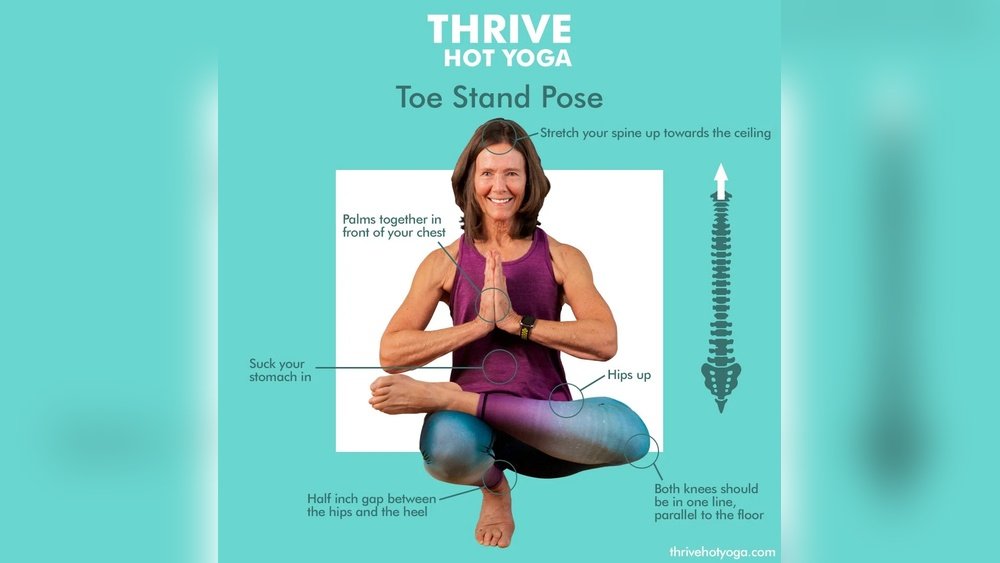
The Toe Stand Pose (Padangusthasana) is a balancing posture usually practiced in Bikram and other Hatha yoga styles. In this pose, you squat down, balance your weight on your toes, and bring your hands into prayer at your chest. It looks graceful, but it needs strength, open hips, flexible ankles, and deep concentration.
Origins And Meaning
The name comes from Sanskrit: “Pada” means “foot,” “angustha” means “big toe,” and “asana” means “pose.” Ancient yogis believed balancing on the toes helped build mental focus and physical discipline. While there’s no record of exactly when it started, the pose became popular in modern yoga thanks to the Bikram Yoga series.
How The Pose Looks
You start standing, then bend one knee and place that foot on the opposite thigh (like Tree Pose). Next, you slowly squat down while keeping your balance. Eventually, you balance fully on your toes with your back straight and hands together in front of your heart.
Benefits Of Toe Stand Pose
The Toe Stand Pose offers more than just a physical challenge. It helps both the body and the mind in several ways.
1. Improves Balance And Focus
Staying upright on your toes needs intense concentration. Practicing regularly teaches you to focus your mind, which can help reduce anxiety and boost confidence.
2. Strengthens Feet, Ankles, And Legs
Few yoga poses work the small muscles in your feet and ankles like this one. These muscles are important for good posture and injury prevention.
3. Opens Hips And Groin
Getting into the pose requires flexibility in the hips. Over time, your hip joints become more open and healthy, which can reduce back pain.
4. Builds Core Strength
To avoid wobbling, your core muscles work hard. This leads to better abdominal strength and helps stabilize your whole body.
5. Improves Posture
The pose encourages a straight back and open chest. This helps you sit and stand taller in everyday life.
6. Mental Discipline
Balancing while squatting is not easy. It teaches patience, determination, and the ability to stay calm under pressure.
Many people miss one benefit: the strengthening of foot arches. If you have flat feet or weak arches, this pose can help support your foot structure over time.
How To Do The Toe Stand Pose Step By Step
Trying the Toe Stand Pose for the first time can feel awkward. Follow these steps to make the process smooth and safe.
1. Start In Tree Pose
Stand straight. Shift your weight onto your left foot. Place your right foot on your left thigh, as high as you can.
2. Bring Your Hands To Prayer
Place your palms together in front of your chest. This helps with balance.
3. Slowly Bend The Standing Leg
Begin to bend your left knee. Keep your back straight and core tight.
4. Lower Your Body
As you bend, start to crouch down. Your heel lifts, and you balance on the ball of your left foot and toes.
5. Sit On Your Heel
Lower your hips until you are sitting on your left heel. Your right foot stays on your left thigh.
6. Balance
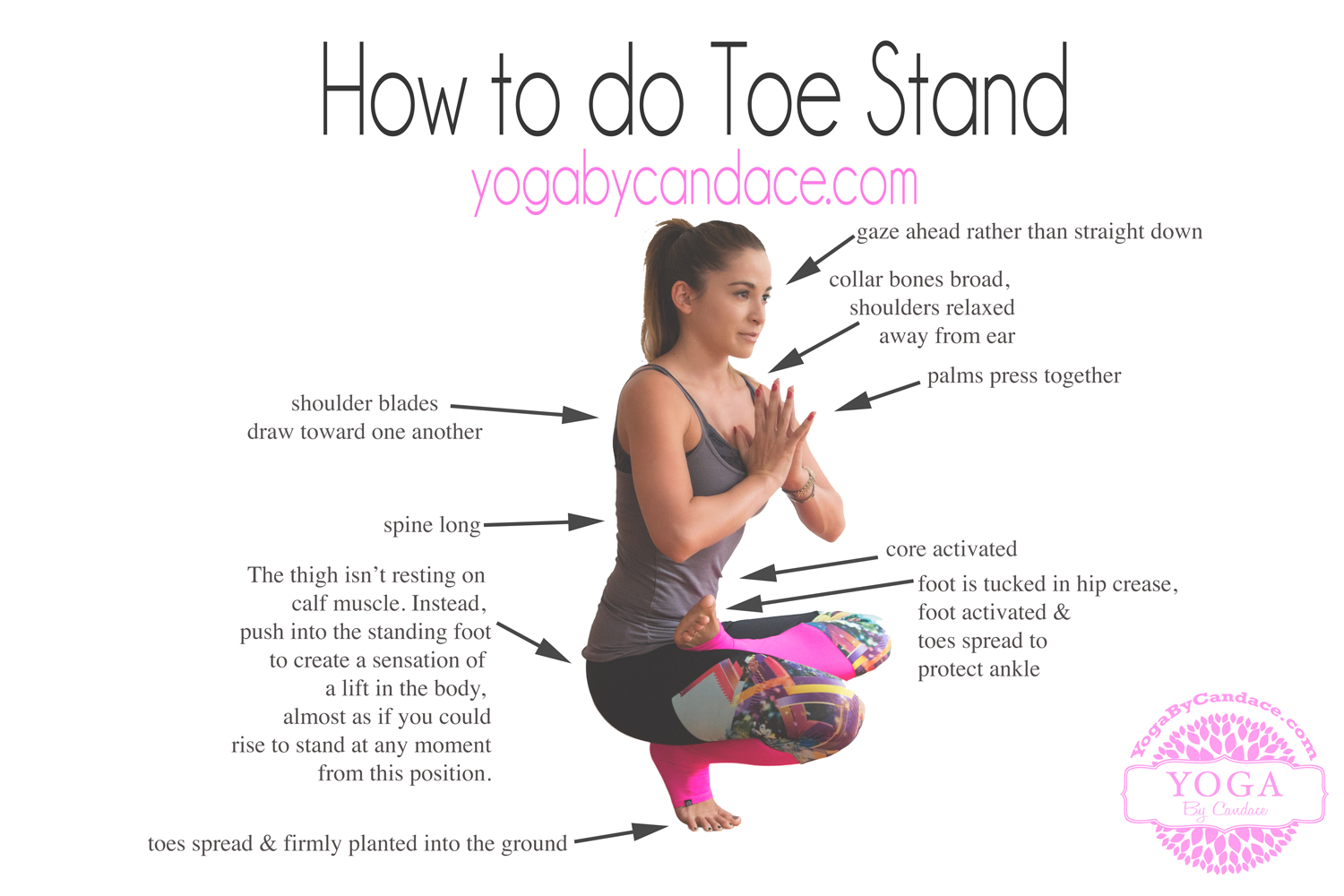
Stay balanced on your toes, with your back upright and hands in prayer. Breathe slowly and look at a fixed point in front of you.
7. Hold And Release
Hold the pose for 10-30 seconds, then slowly stand up by straightening your leg. Repeat on the other side.
Tips For Beginners
- Place a folded towel under your heel for extra support.
- Practice near a wall for safety.
- If squatting is too hard, stay in Tree Pose until you build strength.
Table: Key Muscles Used In Toe Stand Pose
| Muscle Group | Main Role |
|---|---|
| Feet & Toes | Balance and support |
| Ankles | Stability |
| Quadriceps | Knee extension |
| Core | Upright posture |
| Hips | External rotation and flexibility |
Preparatory Poses And Warm-ups
Jumping straight into Toe Stand Pose can lead to injury if your body is not ready. Warm up with these poses:
1. Tree Pose (vrksasana)
This helps you practice balance and hip opening.
2. Garland Pose (malasana)
Deep squatting opens the hips and stretches the ankles.
3. Chair Pose (utkatasana)
Builds strength in your thighs and feet.
4. Downward Dog (adho Mukha Svanasana)
Stretches your calves and prepares your legs.
5. Toe Stretch
Sit back on your heels with toes tucked. This stretches the foot’s arch and toes.
Doing these poses for 2-3 minutes each makes Toe Stand safer and more comfortable.
Common Mistakes And How To Avoid Them
Even experienced yogis sometimes struggle with Toe Stand Pose. Here are common errors and how to fix them:
- Knee Collapsing Inward
Keep your standing knee in line with your toes. Don’t let it fall in.
- Hunched Back
Focus on lengthening your spine. Imagine a string pulling the top of your head upward.
- Looking Down
Keep your gaze forward. This helps with balance.
- Holding Breath
Remember to breathe slowly. Holding your breath adds tension and makes balance harder.
- Rushing the Squat
Move slowly and mindfully. This prevents falls and injuries.
A less obvious mistake is ignoring ankle flexibility. Many people focus only on hip opening, but stiff ankles can make balancing nearly impossible. Working on ankle mobility is a smart way to prepare.
Who Should Avoid Toe Stand Pose?
This pose is not for everyone. Avoid if you have:
- Knee injuries or pain
- Recent ankle sprains
- Serious foot problems (like plantar fasciitis)
- Trouble with balance (neurological issues, vertigo)
If you are pregnant or have any medical concerns, talk to your doctor before trying this pose.
Credit: www.reddit.com
Variations And Modifications
The classic Toe Stand Pose may be too hard at first. Here are options to make it easier or more challenging.
Easier Variations
- Support with a Chair or Wall
Use your hands on a chair or wall for extra balance.
- Don’t Lower All the Way
Stay halfway down if squatting fully is too much.
- Use Yoga Blocks
Sit on blocks for support while you build strength.
Advanced Variation
- No Hands
Try balancing with your arms lifted overhead.
- Eyes Closed
For extra mental focus, try closing your eyes for a few seconds.
Table: Comparison Of Toe Stand Variations
| Variation | Difficulty Level | Main Focus |
|---|---|---|
| Classic Toe Stand | Intermediate | Balance, strength |
| With Wall Support | Beginner | Learning balance |
| No Hands | Advanced | Core, focus |
| Eyes Closed | Very Advanced | Mental concentration |
Progress And Advanced Tips
Many people get frustrated with Toe Stand Pose because progress can be slow. Here’s how to move forward:
- Practice Every Day
Short, regular practice is better than one long session a week.
- Work on Hip Mobility
Spend extra time opening your hips. This makes squatting easier.
- Strengthen Feet and Ankles
Walk barefoot or use foot exercises to build small muscles.
- Visualize Success
Before you move, picture yourself balanced. This mental trick helps your body follow.
A key insight: Toe Stand Pose is often harder for people with long legs or tight calves. Everyone’s body is different, so be patient and adjust your approach as needed.
Safety And Injury Prevention
Any balancing pose carries some risk, especially for beginners. Here are ways to stay safe:
- Warm Up Properly
Never start cold. Prepare your hips, ankles, and calves first.
- Use Props When Needed
Don’t be afraid to use blocks or a chair for support.
- Listen to Your Body
If you feel sharp pain, stop immediately.
- Progress Slowly
Don’t rush. Building balance and strength takes time.
If you ever feel dizzy or unstable, come out of the pose right away. It’s better to build slowly than to risk injury.
Toe Stand Pose In Yoga Practice
The Toe Stand Pose is often included in Bikram Yoga and some Hatha Yoga classes. It is usually practiced after hip-opening poses and before deep forward bends. Some teachers use it as a test of focus before ending a session.
Table: When To Practice Toe Stand In A Sequence
| Practice Time | Why It’s Ideal |
|---|---|
| Middle of Session | Body is warm, hips are open |
| After Tree Pose | Hips and balance already prepared |
| Before Seated Poses | Helps transition from standing to seated work |
Credit: www.yogabycandace.com
Additional Insights: What Most Yogis Miss
Many beginners focus only on the physical challenge. But Toe Stand Pose also trains the mind. The quiet, slow breathing you use in this posture is a form of meditation. It’s normal to feel frustrated at first, but with time, you may notice you can stay calm and focused even off the mat.
Another overlooked point: Toe Stand helps improve the proprioception—your sense of where your body is in space. This is valuable for athletes, dancers, or anyone who wants better movement skills.
For more in-depth research on yoga poses and their benefits, you can visit the Wikipedia Padangusthasana page.
Frequently Asked Questions
What If I Can’t Balance In Toe Stand Pose?
That’s very common for beginners. Start with a wall or chair for support. As you build strength and focus, your balance will improve.
How Long Should I Hold The Pose?
Start with 5-10 seconds on each side. With practice, you can hold for 30 seconds or more. Focus on quality over time.
Can Toe Stand Pose Help With Flat Feet?
Yes, it strengthens the arch muscles in your feet. Practice regularly, but go slowly if you have pain.
Is Toe Stand Pose Safe During Pregnancy?
Usually, it is not recommended. Balancing poses can be risky during pregnancy. Always check with your doctor first.
Do I Need To Be Flexible To Do Toe Stand Pose?
Some hip and ankle flexibility helps, but you don’t need to be super flexible. Focus on gradual improvement and use props as needed.
Yoga is a journey, and Toe Stand Pose is just one step. With patience, regular practice, and a sense of humor, you’ll discover not only better balance but a calmer mind. Whether you’re just starting or deepening your yoga practice, this pose can be a rewarding challenge.

Credit: yogajala.com