
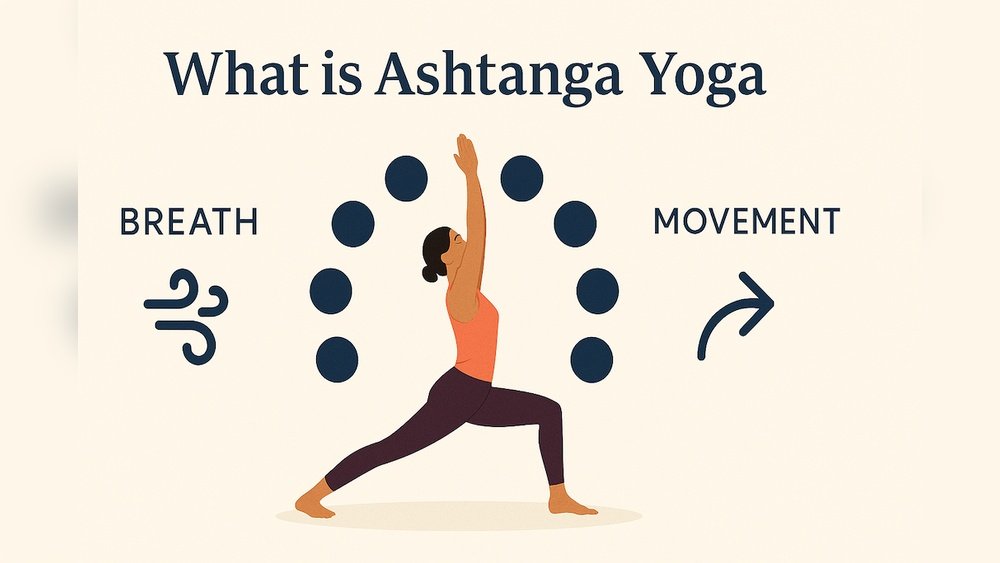
Ashtanga Yoga is more than just a physical exercise—it is a structured method for transforming body, mind, and spirit. If you have ever seen people practicing flowing sequences of yoga poses in a heated room, there is a good chance they are following the Ashtanga style.
But Ashtanga Yoga is not only about movement; it is a complete system rooted in ancient Indian philosophy, offering a pathway to inner peace, clarity, and strength. Understanding this practice can open new doors for your health and personal growth, whether you are a beginner or have been doing yoga for years.
The Origin And History Of Ashtanga Yoga
Ashtanga Yoga comes from the Sanskrit words “ashta” (eight) and “anga” (limb), meaning eight limbs. This system was first described by the sage Patanjali in the Yoga Sutras, written over 2,000 years ago. Patanjali’s work is still respected as the foundation of classical yoga. The Ashtanga Yoga practiced today was systematized by Sri K. Pattabhi Jois in the 20th century in Mysore, India. Pattabhi Jois learned from his teacher, Tirumalai Krishnamacharya, and developed a sequence-based style now known worldwide.
Unlike some modern forms of yoga, Ashtanga keeps a strict structure and order, with a focus on discipline and self-practice. The approach is designed to lead a person step-by-step from basic self-control to the deepest states of meditation and awareness.
The Eight Limbs Of Ashtanga Yoga
The name “Ashtanga” refers to the eight limbs described by Patanjali. Each limb is a step towards a more balanced and meaningful life. Understanding these limbs helps you see that yoga is much more than stretching or breathing—it is a holistic way of living.
1. Yama (ethical Guidelines)
Yamas are rules for how you treat others and the world. There are five yamas:
- Ahimsa: Non-violence
- Satya: Truthfulness
- Asteya: Non-stealing
- Brahmacharya: Moderation or right use of energy
- Aparigraha: Non-possessiveness
Yamas encourage kindness, honesty, and restraint, forming the ethical base of yoga practice.
2. Niyama (personal Observances)
Niyamas are about self-discipline and personal habits:
- Saucha: Cleanliness
- Santosha: Contentment
- Tapas: Self-discipline
- Svadhyaya: Self-study or study of spiritual texts
- Ishvara Pranidhana: Surrender to a higher power
These help develop a calm and focused mind, supporting your inner growth.
3. Asana (posture)
Asana is what most people think of as “yoga”—the physical poses. In Ashtanga, asana practice is strict and dynamic, building strength, flexibility, and balance.
4. Pranayama (breath Control)
Pranayama means learning to control your breath. Breathing techniques in Ashtanga help calm the mind and increase energy.
5. Pratyahara (sense Withdrawal)
Pratyahara is turning your senses inward, away from outside distractions. This prepares you for deeper focus and meditation.
6. Dharana (concentration)
Dharana means holding your attention on one thing, such as your breath, a candle flame, or a mantra.
7. Dhyana (meditation)
Dhyana is meditation—steady, uninterrupted attention. Here, the mind becomes quiet and clear.
8. Samadhi (absorption)
Samadhi is a state of deep peace and unity. It is the final goal of yoga, where you feel connected to everything.

Credit: www.yogamoves.nl
How The Ashtanga Yoga Practice Works
The Ashtanga method is unique because of its set sequences of postures, each performed with the same order, breath, and rhythm every time. Most classes follow the “Mysore style,” where students move at their own pace while a teacher gives individual help. There are also “led classes,” where everyone follows the teacher together.
The Six Series Of Ashtanga Yoga
Ashtanga includes six main series. Each one increases in difficulty and focus.
| Series | Main Focus | Who Should Practice |
|---|---|---|
| Primary Series (Yoga Chikitsa) | Detoxifies and aligns the body | Beginners & all levels |
| Intermediate Series (Nadi Shodhana) | Cleanses the nervous system | Experienced students |
| Advanced A, B, C, D (Sthira Bhaga) | Strength, grace, and advanced postures | Very advanced practitioners |
Most people spend years on the Primary Series before moving on. Each series must be learned in order, and new postures are added only when the previous ones are mastered.
The Importance Of Breath And Movement
A key part of Ashtanga is Vinyasa, which means linking breath with movement. Each posture flows into the next, guided by the breath. This creates internal heat, which helps cleanse the body and build focus.
Ujjayi breathing is used throughout Ashtanga. This is a deep, steady breath made by slightly closing the throat and breathing through the nose. It sounds like a gentle ocean wave and keeps your mind connected to your practice.
The Role Of Drishti (gaze)
Each posture in Ashtanga has a drishti, or focus point for the eyes. This helps with concentration and keeps your mind from wandering. Common drishtis include the tips of the nose, thumbs, or toes, depending on the pose.
Bandhas (body Locks)
Ashtanga teaches special muscle actions called bandhas:
- Mula Bandha (root lock): Contracts muscles at the pelvic floor
- Uddiyana Bandha (abdominal lock): Draws the belly in and up
- Jalandhara Bandha (throat lock): Tucks the chin toward the chest
Bandhas keep energy inside the body and make movements lighter and safer.
Benefits Of Practicing Ashtanga Yoga
Many people are drawn to Ashtanga for its physical strength, but the benefits go much deeper. Here’s what a regular practice can offer:
1. Increased Flexibility And Strength
The repeated postures stretch and tone every muscle. Studies show that Ashtanga can improve flexibility and build strong muscles, especially in the core and upper body.
2. Better Focus And Calmness
The breath and gaze techniques train your mind to be present, reducing anxiety and stress.
3. Detoxification
The heat and sweat from practice help remove toxins from the body.
4. Cardiovascular Health
Ashtanga can raise your heart rate, giving you both strength and cardio exercise at once.
5. Discipline And Routine
Since the sequences are set, you develop self-discipline and a regular habit, which can help in other parts of life.
6. Deeper Self-knowledge
The eight limbs guide you to look inward, question your habits, and grow as a person.
Non-obvious insight: Many beginners focus only on perfecting the poses, but the real transformation comes from the breath and mental focus. Another point often missed is that progress in Ashtanga is not measured by how many postures you achieve, but by the quality of attention and breath you bring to each one.
Ashtanga Yoga Vs Other Yoga Styles
It is easy to get confused by the many types of yoga. Here’s how Ashtanga stands apart:
| Yoga Style | Structure | Intensity | Main Focus |
|---|---|---|---|
| Ashtanga | Fixed sequences | High | Strength, discipline, breath |
| Vinyasa | Varied sequences | Medium to High | Flow, creativity |
| Hatha | Slower, static | Low to Medium | Alignment, basics |
| Bikram | Fixed, in heated room | High | Detox, endurance |
Ashtanga is best if you want a clear structure, enjoy learning set routines, and value discipline. It can be challenging for beginners, but it gives quick results for those who practice regularly.
Common Challenges And Mistakes In Ashtanga Yoga
No practice is without challenges. Here are some common issues and tips to overcome them:
1. Rushing Through The Sequence
Many students try to move quickly to advanced poses. In Ashtanga, it is better to move slowly and master basics. Progress comes with patience.
2. Ignoring Breath And Bandhas
Without the correct breath or body locks, you lose many benefits and risk injury. Focus on the breath and core engagement, not only the shape of the pose.
3. Comparing Yourself To Others
Every body is different. Some poses may come easily, others may take years. Ashtanga is a personal journey—avoid comparison.
4. Skipping Rest Days
The body needs time to recover. Traditionally, Ashtanga is practiced six days a week, with rest on the seventh and on full/new moon days.
5. Not Listening To The Body
Pushing through pain can cause injury. Modify poses or rest if needed. Consistency is more important than intensity.
Experienced advice: Even advanced students revisit the basics often. If you ever feel stuck, return to simple breath and movement—this is where true progress happens.
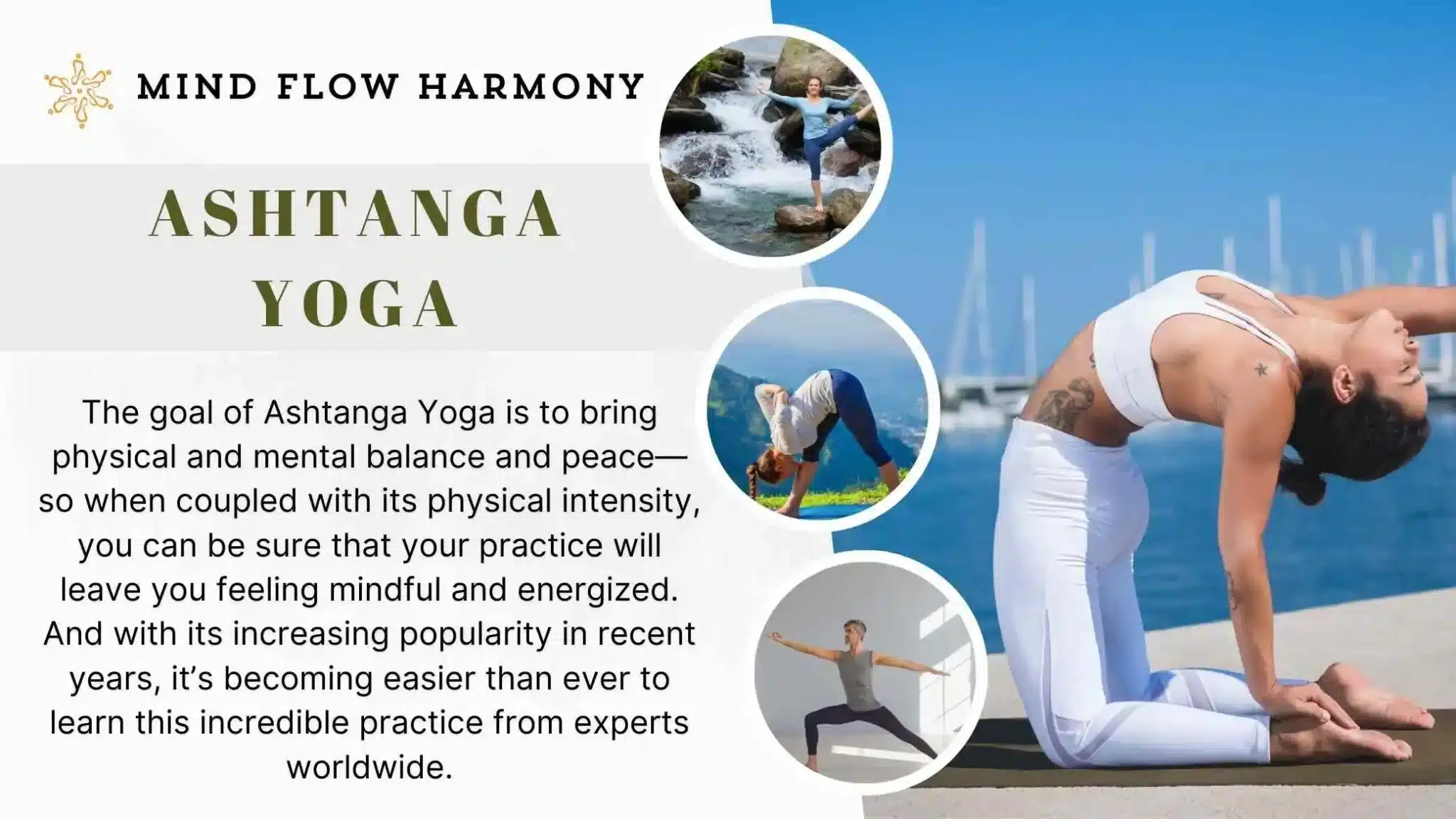
Credit: mindflowharmony.com
Who Should Practice Ashtanga Yoga?
Ashtanga Yoga can be adapted for most people, but it is intense and physically demanding. It is great for:
- People who like structure and routine
- Those looking for both strength and flexibility
- Anyone wanting a complete mind-body practice
It may not suit those with certain injuries, or those looking for a gentle, slow-paced yoga. Beginners should start with a teacher trained in Ashtanga, especially to learn the correct sequence and safe alignment.
How To Start With Ashtanga Yoga
If you are new to Ashtanga, here are steps to begin:
1. Find A Qualified Teacher
Look for teachers with experience in the Mysore method.
2. Learn The Primary Series
Start with the basics and do not rush. Even just the first half of the series is a great workout.
3. Practice Regularly
Consistency is more important than length. Even 20 minutes a day builds habit and progress.
4. Respect Tradition
Try to follow the breathing, gaze, and sequence as taught.
5. Listen To Your Body
Modify poses if needed. Over time, your strength and flexibility will increase.
For those interested in deeper study, there are excellent resources, including the official K. Pattabhi Jois Ashtanga Yoga Institute in Mysore.
.webp)
Credit: myyogateacher.com
Frequently Asked Questions
What Makes Ashtanga Yoga Different From Other Yoga Styles?
Ashtanga uses fixed sequences of poses, practiced in the same order every time, with a strong focus on breath and movement. Other styles like Vinyasa or Hatha may change sequences often.
How Many Days A Week Should I Practice Ashtanga Yoga?
Traditionally, six days a week is recommended, with one rest day. However, beginners can start with two or three days and build up as their body adapts.
Can Beginners Practice Ashtanga Yoga?
Yes, but it is best to start with a qualified teacher who can help you learn the basics safely and modify poses as needed.
Do I Need To Be Flexible To Start Ashtanga Yoga?
No. Flexibility will come with practice. The most important thing is to start where you are and focus on breath and consistency.
Is Ashtanga Yoga Safe For People With Injuries?
It depends on the injury. Always consult a doctor and let your teacher know about any injuries. Ashtanga can be adapted, but some poses may need to be skipped or modified.
Ashtanga Yoga is a journey that goes beyond the mat. It teaches discipline, focus, and patience—qualities that can change your life both physically and mentally. The eight limbs offer a map for living with more awareness and purpose. Whether your goal is fitness, stress relief, or spiritual growth, Ashtanga has something to offer if you approach it with curiosity and respect.