Yin Restorative Yoga is becoming one of the most respected forms of yoga for people seeking deep relaxation and healing. In a fast-moving world, many look for ways to slow down and reconnect with their bodies and minds. Yin Restorative Yoga offers a gentle, supportive practice that helps release tension, manage stress, and improve flexibility, all with minimal physical effort.
Whether you are new to yoga or a seasoned practitioner, understanding this unique style can open new doors to personal well-being.
What Is Yin Restorative Yoga?
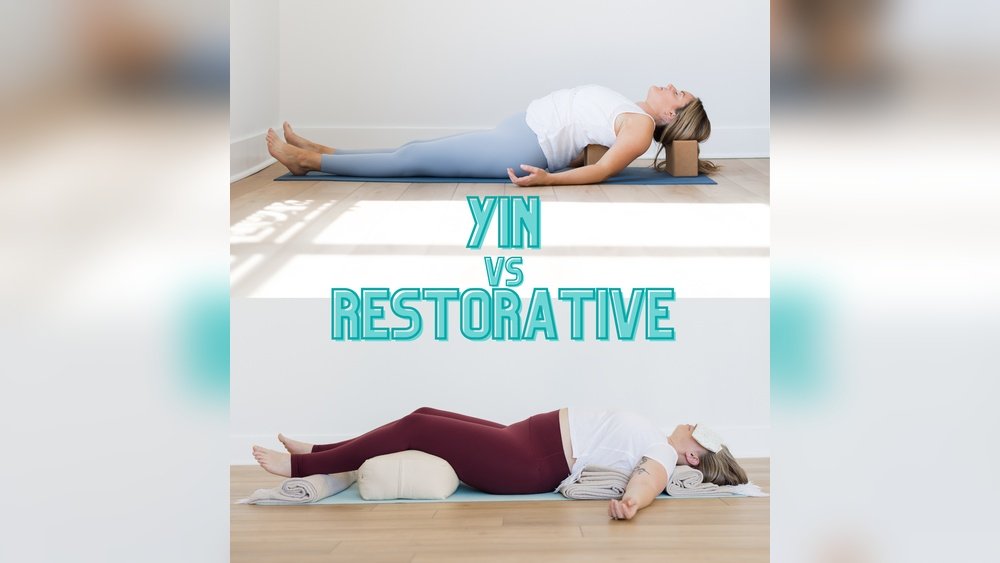
Yin Restorative Yoga is a blend of two yoga styles: Yin Yoga and Restorative Yoga. Both share similarities, but their goals and methods are slightly different. In Yin Yoga, you hold passive floor poses for several minutes, targeting deep connective tissues like fascia and ligaments. This encourages flexibility and joint health. Restorative Yoga, on the other hand, uses props like blankets, bolsters, and blocks to fully support the body, allowing for complete relaxation and the release of mental stress.
When combined, Yin Restorative Yoga creates a practice that is both grounding and deeply nourishing. Poses are held for longer periods (sometimes up to 10 minutes), but with complete support and no muscular effort. The aim is to calm the nervous system, improve range of motion, and encourage inner stillness.
History And Origins
The roots of Yin Yoga can be traced to Taoist practices and traditional Chinese medicine, which believe in the balance of yin (passive, cool, receptive) and yang (active, warm, dynamic) energies. Paulie Zink, a martial arts expert, introduced Yin Yoga to the West in the late 20th century.
Later, teachers like Paul Grilley and Sarah Powers developed the style further, linking it to meridian theory and modern anatomy.
Restorative Yoga evolved from the teachings of B. K. S. Iyengar, who used props to help students hold poses safely for longer periods. Judith Hanson Lasater, a prominent yoga teacher, formalized Restorative Yoga as a gentle, healing practice.
The fusion of these two styles, now called Yin Restorative Yoga, emerged as a response to the growing need for stress reduction and deep relaxation in modern life.
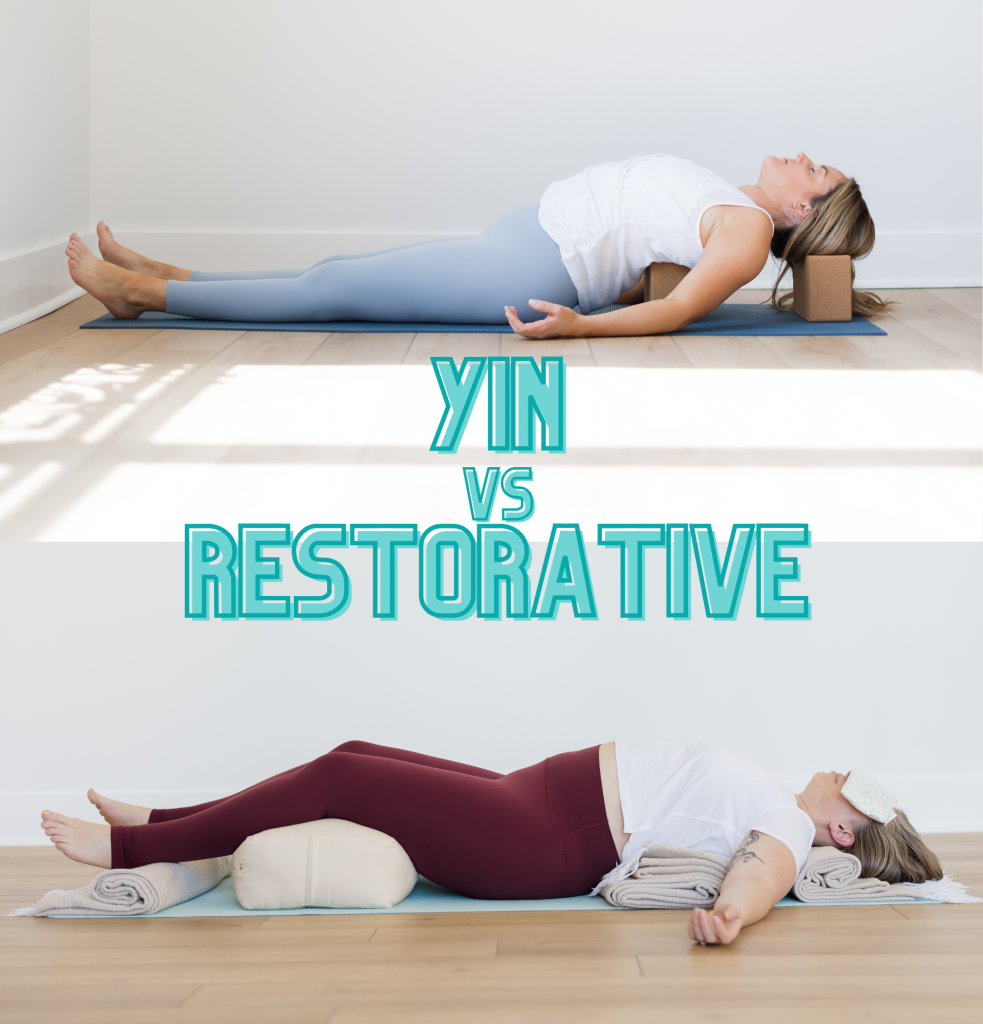
Credit: www.yogarenewteachertraining.com
Key Principles Of Yin Restorative Yoga
Yin Restorative Yoga is based on a few simple but profound principles:
- Stillness: Unlike active yoga styles, there is very little movement. Once you settle into a pose, you remain still, allowing your muscles and mind to relax.
- Support: Props are used to remove any muscular effort. Your body is fully supported, so you can let go completely.
- Time: Poses are held for an extended period, often between 3 to 10 minutes. This gives your body time to release tension from the deepest layers.
- Awareness: Practitioners are encouraged to focus on their breath and sensations, cultivating mindfulness and present-moment awareness.
Differences Between Yin, Restorative, And Yin Restorative Yoga
Understanding how these styles differ can help you choose the right practice for your needs. Here is a comparison:
| Aspect | Yin Yoga | Restorative Yoga | Yin Restorative Yoga |
|---|---|---|---|
| Pose Duration | 3-5 minutes | 5-20 minutes | 5-10 minutes |
| Muscular Effort | Minimal | None | None |
| Props Used | Sometimes | Always | Always |
| Main Focus | Deep tissues | Relaxation | Deep tissues + Relaxation |
Physical And Mental Benefits
Yin Restorative Yoga offers both physical and mental benefits. Here are some key advantages:
Physical Benefits
- Increases Flexibility: Long-held poses gently stretch connective tissues, improving flexibility and joint mobility.
- Supports Joint Health: The practice helps lubricate joints and maintain their function.
- Enhances Circulation: Slow, mindful movement encourages blood flow to tissues, aiding recovery and healing.
- Improves Posture: By releasing tension in deep tissues, you may notice better alignment and less pain.
Mental Benefits
- Reduces Stress: Extended relaxation lowers cortisol levels, helping manage chronic stress.
- Calms the Mind: Focusing on breath and body sensations brings a sense of inner peace.
- Improves Sleep: Regular practice can lead to deeper, more restful sleep.
- Increases Mindfulness: Staying present in each pose helps build awareness and emotional resilience.
Who Should Practice Yin Restorative Yoga?
This style is suitable for almost everyone. It is especially beneficial for:
- People with high stress or anxiety
- Those recovering from illness or injury
- Beginners who want a gentle introduction to yoga
- Athletes needing deep tissue release
- Older adults seeking joint health and mobility
However, some should take care. If you have major joint injuries, herniated discs, or are recovering from surgery, consult a doctor or a certified yoga therapist first.
What To Expect In A Yin Restorative Yoga Class
If you walk into a Yin Restorative Yoga class, expect a quiet, peaceful setting. The lights are usually dim, and soft music may play. The teacher will guide you through a series of gentle poses, each held for several minutes. Props like bolsters, blocks, and blankets are placed under various parts of your body for comfort.
You may only do 5-8 poses in an hour-long session. After entering each pose, you’ll be guided to relax your muscles, focus on your breath, and let thoughts drift by. Adjustments are subtle, and there’s no pushing or straining.
Some classes end with a guided meditation or Yoga Nidra—a deep relaxation technique.
Essential Props And Setup
Props are a key part of Yin Restorative Yoga. Here are the most commonly used items:
- Yoga Mat: A cushioned mat provides a soft base.
- Bolsters: These firm, pillow-like supports go under your knees, back, or chest.
- Blankets: Used for warmth or to soften pressure points.
- Blocks: These add height or support in various poses.
- Straps: Sometimes used to hold limbs in place or reduce muscular effort.
- Eye Pillow: Helps block light and encourages relaxation.
Having the right props ensures your body is fully supported and safe.
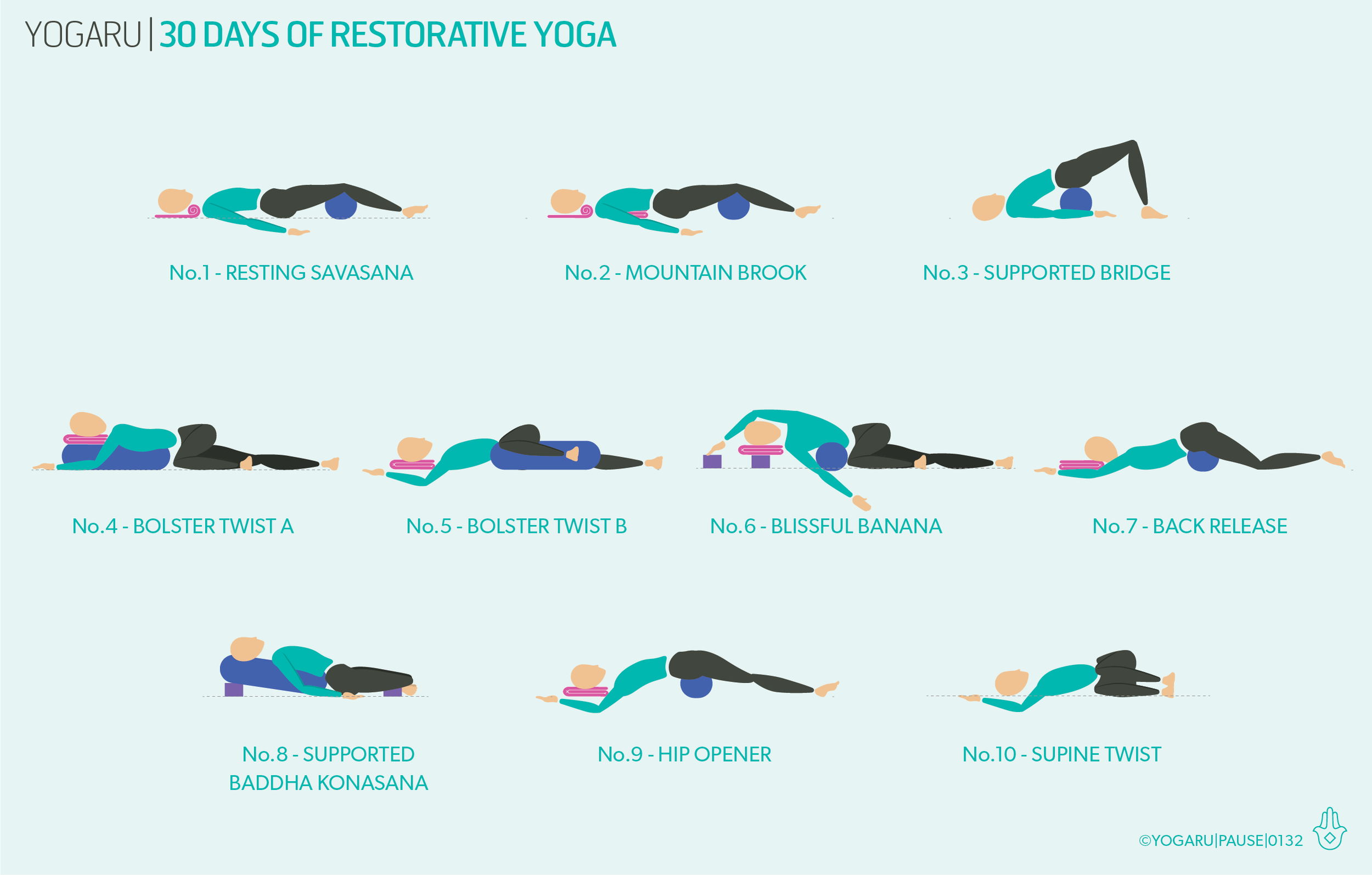
Credit: www.yogaru.ie
Sample Yin Restorative Yoga Sequence
A typical sequence will include a mix of gentle stretches and relaxing poses. Here’s an example for a 60-minute session:
- Supported Child’s Pose (8 minutes): Knees wide, chest rests on a bolster, arms forward or to the sides.
- Reclining Butterfly (8 minutes): Soles of feet together, knees fall open, bolsters or blocks under each knee for support.
- Supported Forward Fold (8 minutes): Sit with legs straight, rest torso on a bolster placed over your legs.
- Supported Bridge Pose (8 minutes): Lie on your back, place a block or bolster under your lower back.
- Restorative Twist (8 minutes each side): Lie on your back, drop knees to one side, support with a bolster.
- Savasana (Final Relaxation) (10 minutes): Lie flat, arms and legs relaxed, blankets for warmth.
This sequence focuses on opening the hips, spine, and shoulders—the most common areas of tension.
How Yin Restorative Yoga Supports Healing
Science shows that slow, mindful practices can activate the parasympathetic nervous system—the “rest and digest” state. This leads to lower heart rate, reduced blood pressure, and improved immune function. By holding poses for longer periods, Yin Restorative Yoga gives your body time to shift into this healing mode.
One non-obvious benefit is the impact on fascia—the connective tissue that surrounds muscles and organs. When we are stressed, fascia can become tight and stiff, leading to pain and limited movement. Long-held, supported poses gently release these restrictions, which may improve recovery from injury and reduce chronic pain.
Another subtle effect is the regulation of emotional states. By staying still and present, you learn to observe emotions without reacting, which builds resilience against anxiety and mood swings.

Credit: merchantcityyoga.com
Common Mistakes To Avoid
Many beginners make simple errors that reduce the benefits of this practice. Here are two key mistakes:
- Using Too Few Props: Skipping props or not adjusting them for your body can lead to discomfort or muscle tension. Always use enough support to feel completely relaxed.
- Pushing Into Sensation: Yin Restorative Yoga is not about stretching as far as possible. If you feel pain or strong pulling, ease off and use more props. The goal is comfort, not effort.
A less obvious mistake is letting the mind wander to distractions like phones or outside noise. Create a calm, tech-free space for your practice.
How To Start A Home Practice
Yin Restorative Yoga is easy to do at home, even if you don’t have all the official props. Here’s how:
- Use pillows, rolled towels, or folded blankets as bolsters.
- Practice in a quiet, dimly lit room.
- Set a timer for each pose so you don’t have to check the clock.
- Play gentle music or nature sounds if it helps you relax.
- Focus on slow, deep breathing and let go of any thoughts of “doing it right.”
There are many online resources and videos to guide you, but remember: safety and comfort come first.
Yin Restorative Yoga For Different Needs
This practice can be adapted for various life situations:
For Stress And Anxiety
Yin Restorative Yoga is very effective for calming the mind and reducing anxiety. Holding supported poses while focusing on the breath can lower stress hormones and help you feel more grounded.
For Chronic Pain Or Injury
If you suffer from back pain, joint stiffness, or have a chronic condition, the gentle nature of this practice can provide relief. Always check with your healthcare provider and modify poses as needed.
For Athletes
Athletes use Yin Restorative Yoga to improve flexibility and speed up recovery after intense training. The long holds help release tight muscles and fascia.
For Older Adults
As we age, joints become stiffer, and balance can decrease. The supported poses of Yin Restorative Yoga are safe and effective for maintaining mobility without strain.
Research And Evidence
Recent studies show that restorative yoga can reduce symptoms of depression, improve sleep quality, and lower blood pressure. For example, a 2017 study found that participants who practiced restorative yoga for 12 weeks had significantly lower levels of stress and fatigue.
Another study in the Journal of Alternative and Complementary Medicine found that Yin Yoga improved flexibility and reduced anxiety in healthy adults.
For more on the science behind restorative yoga, see this review article from the National Institutes of Health.
Typical Class Structure: What You Experience
To give you a better idea, here is what a 60-minute class usually looks like:
| Time | Activity | Purpose |
|---|---|---|
| 0-10 min | Gentle warm-up, breath awareness | Settle body and mind |
| 10-50 min | Yin Restorative poses (5-8 poses) | Release tension, support healing |
| 50-60 min | Guided relaxation (Savasana or meditation) | Deep integration and rest |
How Often Should You Practice?
For best results, aim for 2-3 sessions per week. Even one session can make a difference in stress and flexibility. If you’re very busy or new to yoga, start with 20-minute practices and build up over time.
Final Thoughts
Yin Restorative Yoga is not about pushing your limits, sweating, or achieving perfect poses. It’s about slowing down, listening to your body, and giving yourself the gift of true rest. In today’s world, this kind of practice is not just a luxury—it’s a necessity for long-term health and happiness.
Whether you’re seeking relief from stress, better sleep, or simply a way to reconnect with yourself, Yin Restorative Yoga offers a gentle path to healing and renewal.
Frequently Asked Questions
What Is The Main Difference Between Yin Yoga And Yin Restorative Yoga?
Yin Yoga works on deep tissues with some mild stretching, while Yin Restorative Yoga uses props to support the body completely, aiming for total relaxation and no effort. Yin Restorative Yoga combines deep tissue work with full relaxation for both body and mind.
Can Beginners Do Yin Restorative Yoga?
Yes, this style is perfect for beginners. The poses are simple, and with enough props, anyone can practice safely. It’s an excellent way to learn body awareness and relaxation techniques.
How Long Should You Hold Poses In Yin Restorative Yoga?
Most poses are held for 5 to 10 minutes, but the exact time can vary based on your comfort and experience level. Always listen to your body and adjust as needed.
Do I Need Special Equipment For Yin Restorative Yoga?
While yoga props are helpful, you can use items you have at home, like pillows, rolled towels, or blankets. The most important thing is to feel fully supported and comfortable in each pose.
Is Yin Restorative Yoga Good For Stress And Sleep Problems?
Yes, it is one of the best yoga styles for reducing stress and improving sleep. The slow, supported poses calm the nervous system and prepare the body for deep rest.
Yin Restorative Yoga is simple, powerful, and accessible to all. If you are ready to try a gentle, deeply relaxing practice, this style could be the perfect addition to your routine.