Every yoga session starts with a simple decision: which mat will you use? While color and design often catch your eye first, there’s one feature that changes everything about your practice—thickness. The right yoga mat thickness can support your joints, help with balance, and make your time on the mat much more comfortable. But what exactly is the ideal thickness for a yoga mat? The answer is more nuanced than most people think. Let’s explore the science, the practical factors, and real-life experiences that go into choosing the perfect mat thickness for your needs.
Why Yoga Mat Thickness Matters
Yoga mats are not just accessories; they are essential tools for practice. Thickness influences your comfort, stability, and safety. Too thin, and you may feel the hardness of the floor. Too thick, and you might lose your balance during standing poses. The right thickness can help you stay focused, reduce injury risk, and make yoga enjoyable even for beginners.
Many people overlook how much joint health depends on the right mat. If you have sensitive knees or wrists, the mat’s ability to cushion and support makes a huge difference. Also, mat thickness affects portability—important if you carry your mat to classes.
Standard Yoga Mat Thickness Options
Yoga mats are not one-size-fits-all. Manufacturers offer several thicknesses, each suited to different needs. Below is a comparison of the most common options:
| Thickness | Millimeters (mm) | Inches | Common Use |
|---|---|---|---|
| Travel Mat | 1 – 2 mm | 0.04 – 0.08 in | Lightweight, portable |
| Standard Mat | 3 – 4 mm | 0.12 – 0.16 in | General use |
| Thick Mat | 5 – 6 mm | 0.20 – 0.24 in | Extra cushioning |
| Pilates/Supportive Mat | 7 mm and above | 0.28 in+ | Therapeutic, Pilates |
The most popular yoga mat thickness for general practice is between 4mm and 6mm. But is this ideal for everyone?

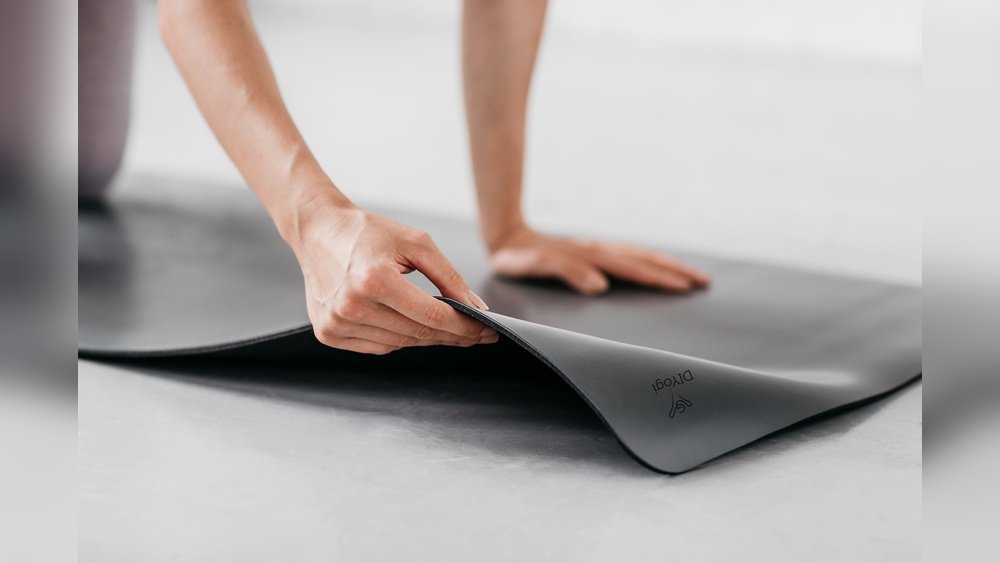
Credit: www.diyogi.com
How Thickness Affects Your Yoga Practice
The mat’s thickness directly impacts three core aspects:
- Comfort: Thicker mats offer more padding, which is gentler on knees, elbows, and hips. However, too much padding can make balancing poses tricky.
- Stability: Thinner mats help you feel more connected to the floor, making balance poses easier and safer.
- Portability: Thinner mats are lighter and easier to carry, while thick mats can be bulky.
Many beginners assume thicker is always better. But advanced practitioners often prefer thinner mats for better stability. The key is matching your practice style and body needs.
Ideal Thickness For Different Yoga Styles
Not all yoga is the same. The best mat thickness depends on the type of yoga you do.
Hatha And Vinyasa Yoga
These are dynamic styles with standing, balancing, and floor poses. Most practitioners find that 4-5mm mats are ideal. This thickness gives enough cushion for comfort, but not too much to affect balance.
Yin And Restorative Yoga
These styles involve holding poses for longer and spending more time on the floor. A 5-6mm mat or even thicker can be beneficial, especially for sensitive joints.
Power And Ashtanga Yoga
For fast-paced or strong practices, 3-4mm mats work best. They offer a firm, stable surface and reduce the risk of slipping.
Hot Yoga
Extra sweat means you need both grip and stability. Many people use 3-4mm mats with a towel on top. Thicker mats can get slippery when wet.
Travel Yoga
If you travel often, 1-2mm mats are easy to pack. They fit in a suitcase, but offer little padding—best for short sessions or soft floors.
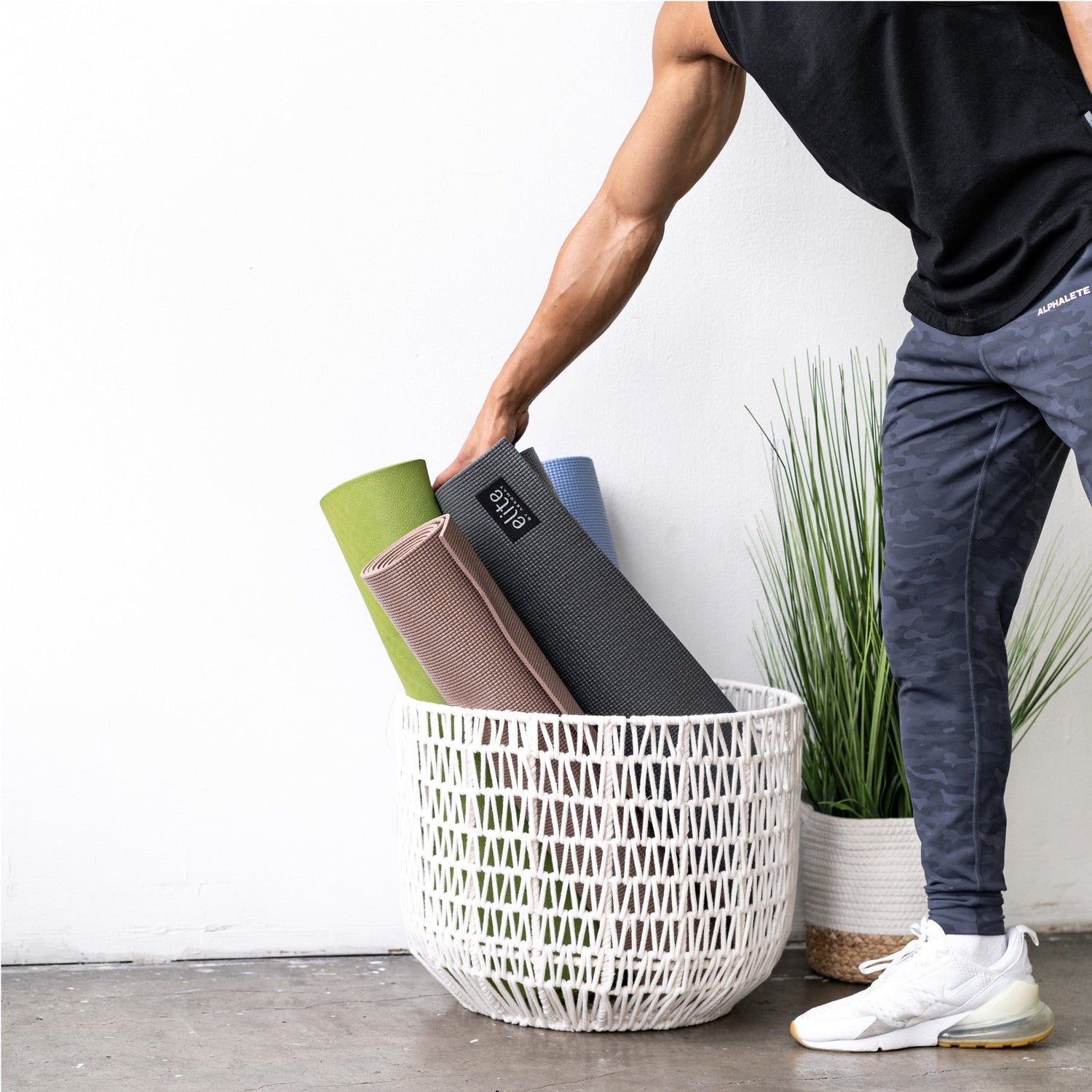
Credit: www.aeromats.com
Comparing Mat Thickness: Real-life Scenarios
To make the choice easier, see how different mat thicknesses perform in common situations:
| Scenario | Thin Mat (1-3mm) | Standard Mat (4-5mm) | Thick Mat (6mm+) |
|---|---|---|---|
| Knee Sensitivity | Poor support | Good support | Excellent support |
| Balancing Poses | Excellent | Very good | May feel unstable |
| Travel | Very easy | Manageable | Bulky |
| Daily Use | Can be hard on joints | Comfortable | Comfortable but heavy |
Choosing The Right Thickness For Your Body
Your unique body type and health needs also guide the best choice.
- Sensitive joints: Go for 5mm or thicker. This prevents pain in knees, hips, and wrists.
- Lightweight or flexible bodies: You may prefer 3-4mm for better stability.
- Heavier practitioners: A slightly thicker mat (5-6mm) can increase comfort but check for firmness to avoid sinking in.
- Back or joint injuries: Extra thickness can help, but ask your doctor or a physical therapist for advice.
Non-obvious insight: Not all thick mats are equally supportive. The density of the mat matters. A high-density 4mm mat can sometimes offer better support than a soft, spongy 6mm mat.
Material And Density: Why They Matter
The material of your mat changes how the thickness feels. Common materials include:
- PVC: Durable, usually firm, and gives good grip. Often found in 4-6mm mats.
- TPE/Rubber: More eco-friendly, softer feel, but may compress more over time.
- Cork/Jute: Usually found in thinner mats. Offers good grip but less cushion.
A 5mm foam mat may feel much softer (and less stable) than a 4mm dense PVC mat. Always test in person if possible.
Non-obvious insight: Some people notice that thick foam mats lose their shape and support over months of use, while thinner, dense mats keep their structure longer.
Portability: When Weight And Size Matter
If you walk or cycle to the studio, or often travel, mat thickness makes a big difference. Here’s how thickness affects transport:
| Thickness | Average Weight | Portability |
|---|---|---|
| 1-2mm | 1-2 lbs | Very easy to carry |
| 3-5mm | 3-5 lbs | Moderate |
| 6mm+ | 6 lbs or more | Bulky and heavy |
Some thick mats can weigh over 7 lbs, making them hard to carry every day. Consider if you have a permanent spot for your practice or need something mobile.
Durability And Longevity
Thicker mats are not always longer-lasting. Dense mats often last longer, while soft, spongy thick mats can flatten or tear after months of use. If you practice daily, look for mats with closed-cell construction (less absorbent, more durable).
Tip: Always check user reviews for real-world experiences with your chosen thickness and material.
Price Vs. Thickness: What To Expect
Thicker mats usually cost more, but price also depends on brand and material. Here’s what to expect:
- 1-2mm mats: $15-$40, often basic designs.
- 3-5mm mats: $30-$80, wide variety, most features.
- 6mm+ mats: $50-$120, often labeled as “premium” or “joint support”.
While a thick mat may seem like a good investment, it’s not always the best value if you need portability or stability.
Common Mistakes When Choosing Yoga Mat Thickness
Even experienced yogis sometimes choose the wrong mat. Watch out for these mistakes:
- Choosing the thickest mat assuming more comfort: Extra thickness can make balancing poses difficult and reduce stability.
- Ignoring density: Two mats of the same thickness can feel very different.
- Not matching mat to style: A thick mat isn’t always better for dynamic or balance-focused yoga.
- Forgetting about cleaning: Thicker mats can be harder to clean and dry.
- Not considering allergies: Some thick mats use foam or rubber that may cause reactions.
Practical Tips For Testing Yoga Mat Thickness
- Try before you buy: If possible, practice a few poses on different mats at a studio or store.
- Check for “bottoming out”: Kneel or sit—if you feel the floor, the mat may be too thin.
- Roll and carry: See if you’re comfortable carrying the mat for your daily routine.
- Test stability: Try a tree pose or warrior pose to see how the mat supports your balance.
Final Thoughts: Finding Your Ideal Yoga Mat Thickness
There’s no one-size-fits-all answer to the ideal thickness for a yoga mat. Most people find their sweet spot between 4mm and 6mm—enough cushion without losing balance. Consider your joints, preferred yoga style, and where you’ll use the mat. Don’t overlook material and density, as they affect how the mat feels and lasts. Remember, your mat should support your practice, not distract from it.
If you want to dive deeper into the science and history of yoga mats, you can find more on the Wikipedia Yoga Mat page.
Frequently Asked Questions
What Thickness Do Most Yoga Teachers Recommend?
Most teachers recommend a 4-5mm mat for general practice. This thickness gives a good balance between comfort and stability for most students.
Is A Thicker Yoga Mat Better For Beginners?
Not always. While a thick mat feels soft, it can make balance poses harder. Beginners should try a 4-6mm mat for comfort, but test stability before buying.
Can I Use A Pilates Mat For Yoga?
Pilates mats are usually thicker (7mm+). They work well for floor poses but can make standing or balance poses unstable. If you do mostly restorative or gentle yoga, it might be fine.
How Do I Clean A Thick Yoga Mat?
Use a gentle soap and water mix. Wipe both sides and let it air dry fully. Thick mats may take longer to dry, so avoid soaking them.
Does Mat Thickness Affect Grip?
Thickness itself doesn’t affect grip, but material and texture do. Some thick mats are slippery, while others have a textured surface for better traction. Always check both features before you buy.
Your yoga mat is your foundation. Take time to choose the right thickness, and your practice—and your body—will thank you every time you step on the mat.

Credit: jumpusapark.com