Runners often focus on training plans, shoes, and nutrition, but sometimes forget about flexibility, recovery, and injury prevention. This is where yoga can make a big difference. Whether you run for fun, health, or races, adding yoga to your routine can help you run better, recover faster, and stay injury-free.
But not every yoga pose is right for runners. Let’s look at the best yoga practices and poses specifically for runners, why they matter, and how you can get started—even if you’re completely new to yoga.
Why Runners Need Yoga
Running is high-impact and repetitive. It strengthens some muscles but can leave others tight and weak. Over time, this imbalance can lead to injuries such as IT band syndrome, shin splints, or tight hips. Yoga offers several benefits for runners:
- Improved flexibility: Yoga stretches tight muscles, especially in the hamstrings, hips, and calves.
- Better balance: Many yoga poses build core strength and stability, helping with your running form.
- Faster recovery: Gentle yoga increases blood flow, helping your muscles recover from hard runs.
- Mental focus: Yoga encourages mindfulness, useful for race day nerves and training motivation.
A study published in the Journal of Strength and Conditioning Research found that runners who practiced yoga twice a week improved their flexibility and balance after just 10 weeks. This shows that even a small yoga routine can make a big impact.
Key Yoga Poses For Runners
Certain yoga poses directly address the tight spots and weak areas common in runners. Here are the most effective ones:
1. Downward-facing Dog (adho Mukha Svanasana)
This classic pose stretches the calves, hamstrings, and shoulders. Start on hands and knees, lift your hips up and back, and try to keep your heels toward the floor. Hold for 5–10 breaths.
2. Low Lunge (anjaneyasana)
Step one foot forward between your hands, lower your back knee, and sink your hips forward. This opens the hip flexors and quads—areas that get very tight from running.
3. Pigeon Pose (eka Pada Rajakapotasana)
Bring one knee forward and stretch the other leg back. This deep hip opener targets the glutes and piriformis. Hold gently and avoid forcing if you feel knee pain.
4. Reclining Hand-to-big-toe Pose (supta Padangusthasana)
Lying on your back, hold one leg up and gently pull it toward you. This stretches the hamstrings and can help with lower back tightness.
5. Half Splits (ardha Hanumanasana)
From a low lunge, shift your hips back and straighten your front leg. This is a gentler version of the full split and is great for hamstring flexibility.
6. Bridge Pose (setu Bandha Sarvangasana)
Lie on your back, bend your knees, and lift your hips. This strengthens the glutes and core while opening the hip flexors.
7. Supine Figure Four
On your back, cross one ankle over the opposite knee and pull the legs toward you. This releases tension in the glutes and outer hips.
8. Standing Forward Fold (uttanasana)
Stand with feet hip-width apart, fold forward, and let your head hang. This stretches the back, calves, and hamstrings.
9. Child’s Pose (balasana)
A gentle resting pose that stretches the back and hips, perfect for relaxing after a run.
10. Twisted Lunge (parivrtta Anjaneyasana)
From a lunge, twist your torso toward your front knee. This not only opens the hips but also improves spinal mobility.
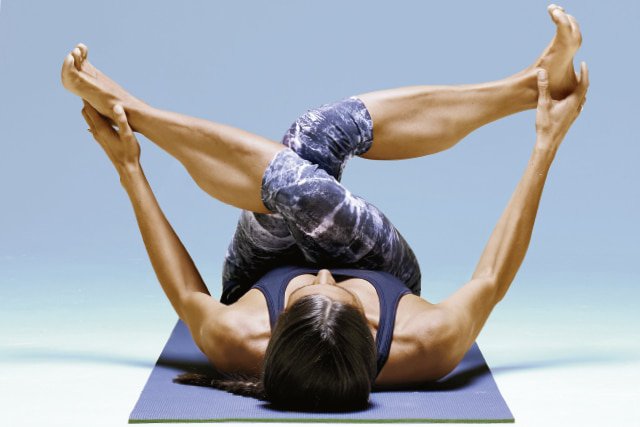
Credit: www.runnersworld.co.za
How To Build A Yoga Routine For Runners
You don’t need to spend an hour on your mat every day. Even 10–20 minutes of focused yoga, two to three times a week, can make a real difference. Here’s a sample routine:
- Warm up with Cat-Cow (on hands and knees, arch and round your back) for 1 minute.
- Move into Downward Dog for 5–8 breaths.
- Step into Low Lunge, hold each side for 5 breaths.
- Try Pigeon Pose on each side for 30 seconds.
- Do Bridge Pose for 5–8 breaths, repeat twice.
- Finish with Supine Figure Four and Child’s Pose.
If you want to go deeper, consider joining a yoga class or following a guided video. Some yoga classes are designed just for athletes and runners.
Yoga Styles That Suit Runners
Not every yoga class is the same. Some focus on strength, others on deep stretching. Here’s a quick comparison:
| Yoga Style | Main Focus | Best For |
|---|---|---|
| Vinyasa | Flow, movement, strength | Warm-up, cross-training |
| Yin Yoga | Deep stretching, long holds | Flexibility, recovery days |
| Hatha | Basic poses, alignment | Beginners, injury prevention |
| Restorative | Relaxation, gentle stretch | Rest, post-run recovery |
For most runners, a mix of Yin and Hatha yoga works best. Yin focuses on deep connective tissue and flexibility, while Hatha builds strength and balance.
Common Mistakes Runners Make With Yoga
Even experienced runners can get yoga wrong. Here are some things to watch out for:
- Doing too much, too soon: Trying advanced poses without proper warm-up can lead to strains.
- Forcing stretches: Never push into pain. Stretching should feel challenging but not sharp.
- Skipping rest: Yoga is not just about effort. Resting poses allow your body to recover and adapt.
- Ignoring alignment: Poor form, especially in lunges and twists, can cause injuries over time.
A key insight: runners often focus only on “hip openers” but forget to stretch the upper back and chest. These areas can get tight from the forward-leaning posture of running.
The Science: Yoga’s Impact On Performance And Injury Prevention
Recent research shows that yoga is more than just stretching. In a 2020 study in the International Journal of Yoga, recreational runners who practiced yoga twice a week for eight weeks improved their running economy (how efficiently they use oxygen) by 5%.
Another research found a 37% reduction in injury risk for runners who added regular yoga to their routine.
Why does this happen? Yoga improves proprioception—your body’s sense of position and movement. This means better balance, fewer missteps, and more stable joints. Yoga also helps lower cortisol (stress hormone) levels, which can speed up muscle recovery and reduce inflammation.

Credit: cinemaximiliaan.org
Comparing Yoga To Other Recovery Methods
Many runners use foam rolling, massage, or stretching routines. How does yoga compare?
| Method | Time Needed | Main Benefit | Limitation |
|---|---|---|---|
| Yoga | 10–60 min | Flexibility + Strength + Mindfulness | Needs space, learning curve |
| Foam Rolling | 5–15 min | Releases muscle knots | Can be painful, limited flexibility work |
| Static Stretching | 5–20 min | Increases flexibility | No strength or balance benefit |
| Massage | 30–60 min | Deep muscle relief | Expensive, not always available |
Yoga stands out because it combines several benefits: flexibility, strength, and mental focus in a single session. It’s also low-cost and can be done at home.
Practical Tips For Runners New To Yoga
If you’ve never tried yoga, you might feel stiff or awkward at first. That’s normal. Here are some tips:
- Start small: Even 5–10 minutes after a run can help.
- Use props: Blocks, straps, or even a towel can help you reach poses comfortably.
- Focus on breath: Deep breathing helps you relax and makes stretching easier.
- Listen to your body: It’s better to be gentle and consistent than to push too hard and skip sessions due to soreness.
A common beginner mistake is holding your breath during difficult poses. Remember, steady breathing is more important than how “deep” you go in any stretch.
When To Do Yoga: Before Or After Running?
You can do yoga both before and after a run, but the style and poses will change.
- Before running: Use dynamic, movement-based yoga (like Vinyasa) to warm up muscles. Avoid long, deep stretches.
- After running: Focus on static holds and restorative poses to release tight areas and speed recovery.
For example, before a race, try Cat-Cow, Downward Dog, and Low Lunge. After a long run, focus on Pigeon, Supine Figure Four, and Child’s Pose.
How Yoga Supports Runners Long-term
Yoga’s benefits aren’t just physical. Regular practice improves body awareness, which helps you notice small problems before they become injuries. It also supports your mental health, reduces anxiety before races, and helps with sleep and recovery.
Many elite runners—like ultramarathoner Scott Jurek—credit yoga with keeping them healthy and helping them run for decades. The combination of stretching, strength, and mindfulness is hard to beat.
Real-world Example: A Week Of Yoga For Runners
Here’s how a typical runner might fit yoga into their weekly schedule:
| Day | Main Activity | Yoga Focus | Duration |
|---|---|---|---|
| Monday | Easy run | Short recovery yoga (Child’s Pose, Supine Figure Four) | 10 min |
| Wednesday | Interval training | Post-run deep stretch (Pigeon, Low Lunge, Bridge) | 20 min |
| Friday | Rest or cross-training | Gentle Hatha yoga full body | 30 min |
| Sunday | Long run | Yin Yoga recovery (long holds, deep breaths) | 20 min |
This schedule shows that you don’t need to devote hours to yoga. Short, regular sessions fit easily into most training plans.
Frequently Asked Questions
What Are The Best Yoga Poses For Tight Hamstrings?
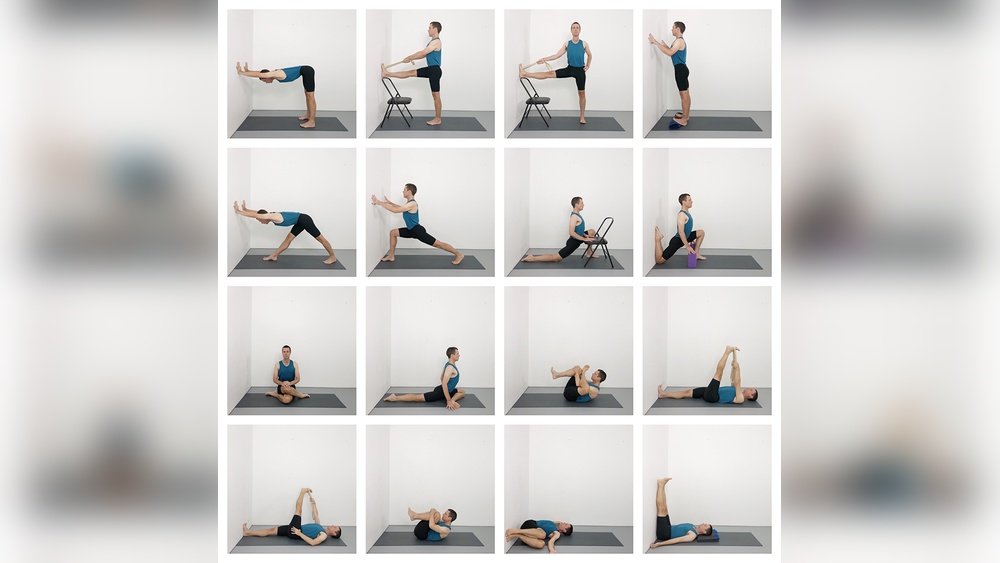
The most effective are Standing Forward Fold, Half Splits, and Reclining Hand-to-Big-Toe Pose. Hold each pose for at least 30 seconds and focus on gentle, steady breathing. Over time, you’ll notice improved flexibility and less post-run tightness.
Can Yoga Replace Stretching After A Run?
Yoga can replace or enhance traditional stretching. The main advantage is that yoga combines stretching with strength and balance work. After a run, use poses like Pigeon, Low Lunge, and Child’s Pose for recovery.
Is Yoga Safe For Injured Runners?
Yoga can be safe if you choose gentle poses and avoid any movement that causes pain. Restorative and Yin yoga are especially good during injury recovery. Always check with a physical therapist or doctor before starting if you have a serious injury. The American Academy of Orthopaedic Surgeons offers more guidance on safe activity during injury recovery: OrthoInfo.
How Often Should Runners Do Yoga?
Aim for at least two sessions per week. Even short sessions (10–15 minutes) can help. Consistency is more important than duration. On high-intensity training weeks, focus on gentle or restorative yoga.
What Equipment Do I Need For Yoga At Home?
All you really need is a yoga mat. Props like blocks, straps, or a blanket can help with certain poses, but they’re not required. Wear comfortable clothes and practice in a quiet space.
Adding yoga to your running routine is one of the smartest moves you can make for long-term health and performance. With just a few sessions a week, you’ll gain flexibility, balance, and a calmer mind—helping you enjoy running even more.
Give it a try and notice the change in how your body feels, both on and off the road.
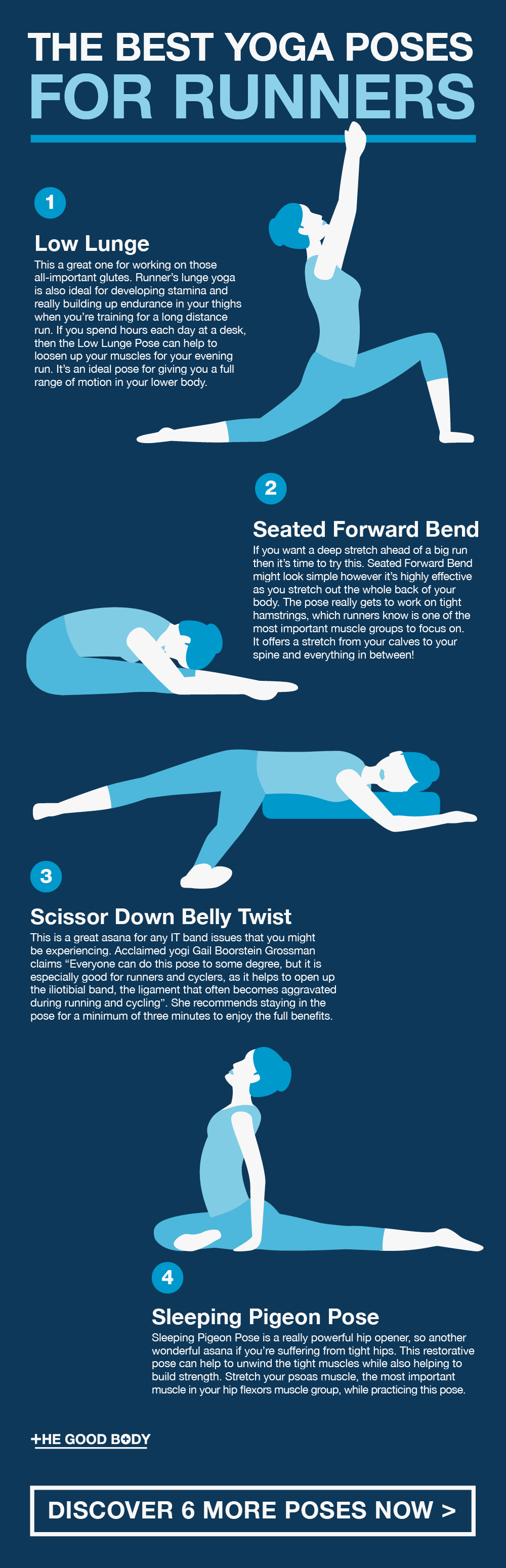
Credit: www.thegoodbody.com