Aerial Hammock vs Yoga Trapeze: Choosing the Right Suspension Practice for You
Aerial fitness has exploded in popularity over the past decade. Two pieces of equipment—aerial hammock and yoga trapeze—are now found in studios and homes worldwide. Both offer a unique way to move, stretch, and build strength in the air, but they are not the same. Whether you’re looking for a new workout, want to relieve back pain, or just want to try something fun, understanding the differences between these two tools is essential.
Maybe you’ve seen stunning photos of people floating in silky slings or hanging upside down from handles. These images spark curiosity, but they also create confusion. Which is safer for beginners? Which builds more strength? How are they installed, and do you need special training?
This article dives deep into aerial hammock versus yoga trapeze. You’ll learn how each one works, their benefits, and which option fits your needs and lifestyle.
What Is An Aerial Hammock?
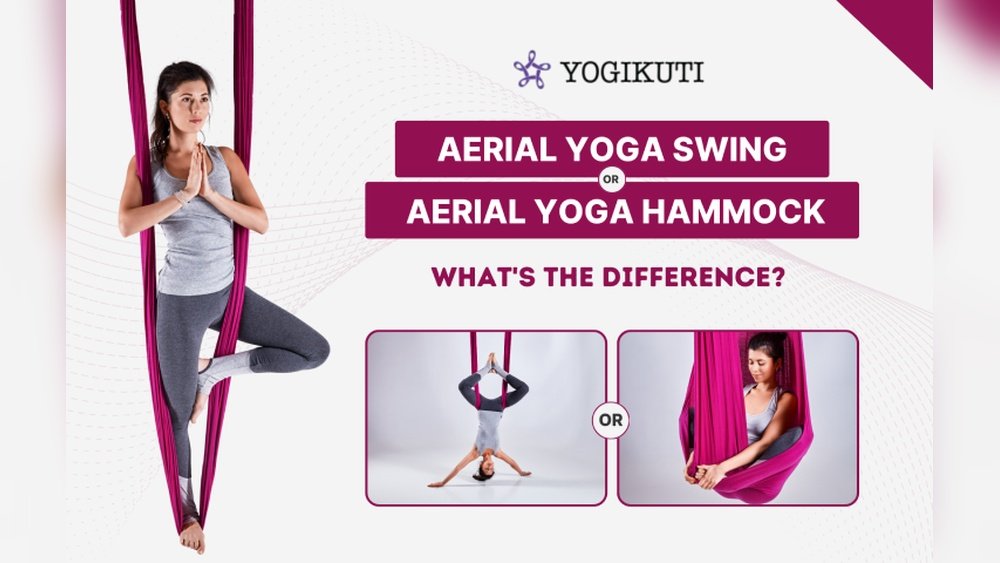
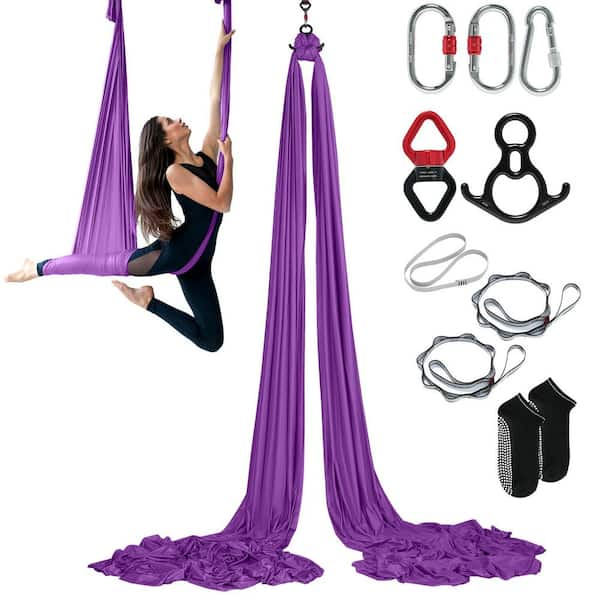
An aerial hammock is a long, wide piece of soft, stretchy fabric. It’s hung from two points on the ceiling, creating a loop or “hammock” shape. People use it for aerial yoga, stretching, dance, and even acrobatics. The material is similar to that used in circus performances—strong, but gentle on the skin.
Aerial hammocks are usually made from nylon or silk blends. They can hold hundreds of pounds and come in different widths and lengths. Most installations require sturdy ceiling mounts or beams, but some portable frames are available.
Common uses for the aerial hammock include:
- Gentle stretching and decompression
- Restorative yoga poses
- Advanced aerial tricks and flips
- Flowing movement sequences
Aerial hammock classes are often slower-paced, focusing on flexibility, relaxation, and deep core activation. However, with experienced teachers, they can become dynamic and challenging.
What Is A Yoga Trapeze?
The yoga trapeze is a strong, parachute-like swing with three main sections: a long sling in the center and two sets of sturdy handles (one high, one low) on each side. It’s designed for yoga poses, core workouts, and especially for spinal traction (inversion therapy). Unlike the aerial hammock, its handles and thicker material set it apart.
Yoga trapezes are typically made from ripstop nylon or similar durable fabrics. The handles are padded for grip and comfort. You can hang a yoga trapeze from a ceiling, a doorway bar, or a free-standing frame.
Typical uses for the yoga trapeze:
- Inversion therapy for back pain relief
- Upper body and core strength training
- Assisted stretches and yoga poses
- Functional movement exercises
Most yoga trapeze routines are structured, focusing on building strength and decompressing the spine. The handles make certain exercises—like pull-ups, rows, and deep backbends—much easier and safer.
Key Differences: Aerial Hammock Vs Yoga Trapeze
At first glance, both pieces of equipment might seem similar. They both suspend your body and use gravity to help stretch and strengthen. But the differences in design and function are significant.
Here’s a side-by-side comparison:
| Feature | Aerial Hammock | Yoga Trapeze |
|---|---|---|
| Material | Soft, stretchy fabric (nylon/silk blend) | Non-stretch ripstop nylon, parachute material |
| Design | One long loop (no handles) | Central sling with two sets of handles |
| Mounting Points | Usually two (spaced apart) | Usually one (single anchor), sometimes two |
| Common Uses | Yoga, dance, acrobatics, stretching | Yoga, strength, inversion therapy, stretching |
| Skill Level | Beginner to advanced | Beginner friendly |
| Learning Curve | Medium to high (especially tricks) | Low to medium |
| Typical Cost | $60–$200+ | $70–$150 |
This table highlights the most important technical and practical differences. But the “feel” of each practice is just as important for your decision.
Benefits Of Aerial Hammock
The aerial hammock’s versatility is one of its main attractions. You can use it for gentle restorative yoga or for challenging aerial tricks. Here’s what it offers:
- Flexibility and Mobility: The hammock supports your body so you can stretch deeper than on the floor. Many people notice improved hip, back, and shoulder mobility after a few sessions.
- Core Strength: Balancing in the hammock forces you to use your core muscles. Even simple poses like floating plank or inverted splits challenge your stability.
- Relaxation and Stress Relief: The gentle, swaying motion can be calming. Many classes end with “cocoon” pose—lying inside the hammock for a floating meditation.
- Creativity and Flow: The soft, stretchy fabric moves with you, allowing for dance-like movement and creative expression. Some practitioners use it for aerial dance or circus arts.
- Improved Body Awareness: Moving in the air helps you understand your body’s alignment. This awareness can improve posture and reduce the risk of injury during other exercises.
Non-obvious insight: Beginners often underestimate the balance challenge of a stretchy hammock. You’ll discover muscles you didn’t know existed, especially in your feet and hands, as you learn to control the fabric.
Benefits Of Yoga Trapeze
The yoga trapeze is famous for its inversion therapy—hanging upside down to relieve back pain. But its benefits go beyond that:
- Spinal Decompression: The main reason many people buy a yoga trapeze is for inversion. Hanging with your hips supported and feet overhead, gravity gently opens the spaces between your vertebrae. This can ease lower back pain and tension.
- Upper Body Strength: The handles allow for pull-ups, rows, and other strength exercises. You can train your shoulders, arms, and grip without heavy weights.
- Core and Functional Fitness: Many trapeze moves require your whole body to stabilize. This builds deep core strength and improves functional movement patterns.
- Accessible for Beginners: The handles and thicker sling make it easier to get into and out of poses. If you’re afraid of flipping or falling, the yoga trapeze feels more “secure” than an aerial hammock.
- Assisted Deep Stretching: Using the handles, you can go deeper into stretches for shoulders, chest, and hips. The trapeze supports your body weight so you can safely hold positions longer.
Non-obvious insight: People with limited grip strength or mobility often find yoga trapeze more accessible. The handles provide extra security, making it possible for older adults or those recovering from injury to participate.
Which One Is Best For You?
Your choice depends on your goals, body type, and even your home setup. Here’s a breakdown to help you decide:
Choose An Aerial Hammock If:
- You love creative movement, flow, or dance
- You want to improve flexibility and mobility
- You’re interested in circus arts or acrobatics
- You enjoy a challenge and don’t mind a steeper learning curve
- You have access to a safe installation point with enough space
Choose A Yoga Trapeze If:
- Your main goal is to relieve back pain or decompress your spine
- You want to build upper body and core strength
- You prefer a more structured, accessible practice
- You feel safer with handles for support
- You need a tool that’s easy to set up, use, and store
Real-world example: Anna, a yoga teacher, uses the aerial hammock to teach creative flows and deep stretching. Her father, recovering from a back injury, uses the yoga trapeze for daily inversion therapy and gentle shoulder exercises.
Credit: www.homedepot.com
Safety Considerations
Both aerial hammock and yoga trapeze are safe when used correctly, but safety depends on proper installation, equipment quality, and body awareness.
Installation And Equipment
- Anchor Points: Always use beams, concrete ceilings, or specially designed stands. Never hang from drywall or weak structures.
- Weight Limits: Check the equipment’s rated strength—most quality hammocks and trapezes support over 400 pounds.
- Professional Installation: If you’re unsure, hire a professional or ask for help from a studio.
- Regular Inspection: Check for frayed fabric, loose bolts, or worn carabiners before every session.
Personal Safety
- Start Slow: Try beginner classes or videos before practicing on your own.
- Listen to Your Body: Never push through sharp pain or dizziness.
- Spotter: For new tricks or inversions, have someone nearby to assist.
Common mistake: Many beginners try advanced flips or deep inversions too soon. Build foundational strength and confidence first.
Aerial Hammock And Yoga Trapeze In Fitness Studios
Most large cities now offer both aerial hammock and yoga trapeze classes. However, the atmosphere and teaching style can be very different.
Aerial Hammock Classes
These classes often blend yoga, Pilates, and dance. Some focus on slow, restorative movement, while others feature dynamic flows or acrobatic tricks. Teachers guide students into poses like floating pigeon, inverted splits, or hammock-assisted backbends.
Studios usually provide all equipment. Classes are small (6–12 people) for safety. Many students love the “cocoon” at the end—a calming, floating relaxation.
Yoga Trapeze Classes
Yoga trapeze classes are structured and strength-focused. Expect spinal decompression poses, pull-up drills, and targeted stretches. Some studios incorporate high-intensity intervals or core circuits. The handles make transitions and inversions more accessible, even for complete beginners.
Group sizes can be slightly larger since the practice is less acrobatic. Classes often attract people with back pain, office workers, and those new to suspension exercise.
Practical tip: Try a drop-in class for each style before buying equipment for home use. The feel and flow are very different, and personal experience matters.

Credit: www.youtube.com
Home Practice: Setup And Space
Bringing aerial fitness into your home can be rewarding, but requires planning.
Space Needed
- Aerial Hammock: Needs more vertical height (at least 8 feet, ideally 9–10 feet). You’ll also need clear space around the hammock—at least 6 feet in all directions.
- Yoga Trapeze: Works in slightly lower ceilings (7.5 feet or more). The handles mean you need less horizontal space, but enough room to move your legs and arms freely.
Installation Options
| Location | Aerial Hammock | Yoga Trapeze |
|---|---|---|
| Ceiling (beams/concrete) | Best option | Best option |
| Doorway Bar | Not recommended | Possible (with special bar) |
| Free-standing Frame | Available but expensive | Available, affordable options |
| Outdoors (tree/beam) | Possible, inspect carefully | Possible, inspect carefully |
Common mistake: Buying cheap or uncertified equipment. Always choose brands that list tested weight limits and include all necessary hardware.
How Do They Compare For Different Fitness Goals?
Your goal determines which tool will serve you best. Here’s a practical breakdown:
For Flexibility
- Aerial Hammock: Best for deep stretching and splits. The soft fabric supports your body in ways the floor cannot.
- Yoga Trapeze: Great for assisted shoulder and hip stretches, but less effective for full splits or backbends.
For Strength
- Aerial Hammock: Builds core and stabilizer muscle strength, especially in the feet and hands.
- Yoga Trapeze: Superior for upper body and grip strength because of the handles and structured exercises.
For Back Pain
- Aerial Hammock: Helps decompress the spine, but requires more body awareness to avoid strain.
- Yoga Trapeze: Specifically designed for inversion therapy; safer and more accessible for beginners.
For Fun And Creativity
- Aerial Hammock: Offers endless creative movement, dance, and flow sequences.
- Yoga Trapeze: Fun for those who like structured workouts and clear progressions.
Non-obvious insight: Many people use both tools for different days—hammock for relaxation and flow, trapeze for quick strength and inversion sessions.

Credit: mefree.com
Cost Comparison And Longevity
Both aerial hammocks and yoga trapezes are affordable compared to many home gym tools, but prices and durability vary.
Aerial Hammock
- Price Range: $60–$200+ (fabric, hardware, installation)
- Lifespan: 3–5 years with regular use (fabric may stretch or fade)
- Maintenance: Washable, but avoid harsh detergents
Yoga Trapeze
- Price Range: $70–$150 (includes handles and hardware)
- Lifespan: 5+ years (tougher material, less stretch)
- Maintenance: Easy to clean, wipe down handles
Tip: Investing in higher quality equipment increases safety and lifespan. Avoid generic or unbranded options.
Popular Brands And Where To Buy
Reliable brands for aerial hammock include Aerial Yoga Gear, Uplift Active, and Prodigy. For yoga trapeze, YogaBody and UpCircleSeven are well known. Most brands sell directly online and through major retailers.
Studios may offer discounts or recommendations for home use. Always check for certifications, weight ratings, and user reviews before buying.
For more information on the science and benefits of aerial yoga, see the Aerial Yoga Wikipedia page.
Frequently Asked Questions
Is Aerial Hammock Safe For Beginners?
Yes, if you follow proper safety guidelines. Beginners should start with simple poses and attend a class or watch instructional videos. Make sure your hammock is securely installed and check all equipment before use.
Can I Use A Yoga Trapeze As An Aerial Hammock?
Not exactly. The yoga trapeze’s handles and non-stretch material make it less suitable for flowing, dance-like movements. It’s designed for strength and inversion therapy, not aerial tricks.
How Often Should I Practice For Results?
Even 2–3 sessions per week can improve flexibility, strength, and posture. Consistency is more important than duration. Start with shorter sessions (20–30 minutes) and build up as you gain confidence.
What Should I Wear For Aerial Hammock Or Yoga Trapeze?
Wear snug, comfortable clothing that covers your legs and shoulders to avoid fabric burns. Avoid zippers, jewelry, or anything that could catch on the fabric. Bare feet are best for grip and safety.
Can Children Use Aerial Hammocks Or Yoga Trapezes?
With supervision, children can enjoy both. Make sure the equipment is installed at the right height and always monitor children during use. Many studios offer kids’ aerial classes with special instructions.
Exploring aerial hammock or yoga trapeze can open a new world of movement, strength, and fun. Whether you want to float, flip, or simply stretch your back, choosing the right tool will help you reach your goals safely and enjoyably.
Try both if you can—your body will thank you for the adventure.