Dolphin Pose: A Complete Guide To Mastering This Yoga Asana
Yoga offers many postures that strengthen, stretch, and calm the body. One of the most powerful yet often overlooked poses is the Dolphin Pose. This asana, called Ardha Pincha Mayurasana in Sanskrit, is a favorite among yogis for building upper body strength and preparing for inversions. But there’s more to Dolphin Pose than meets the eye. Whether you’re new to yoga or looking to deepen your practice, understanding Dolphin Pose can unlock new levels of flexibility and focus.
Let’s dive into the details of Dolphin Pose—its benefits, technique, variations, common mistakes, and how it can fit into your daily routine.
What Is Dolphin Pose?
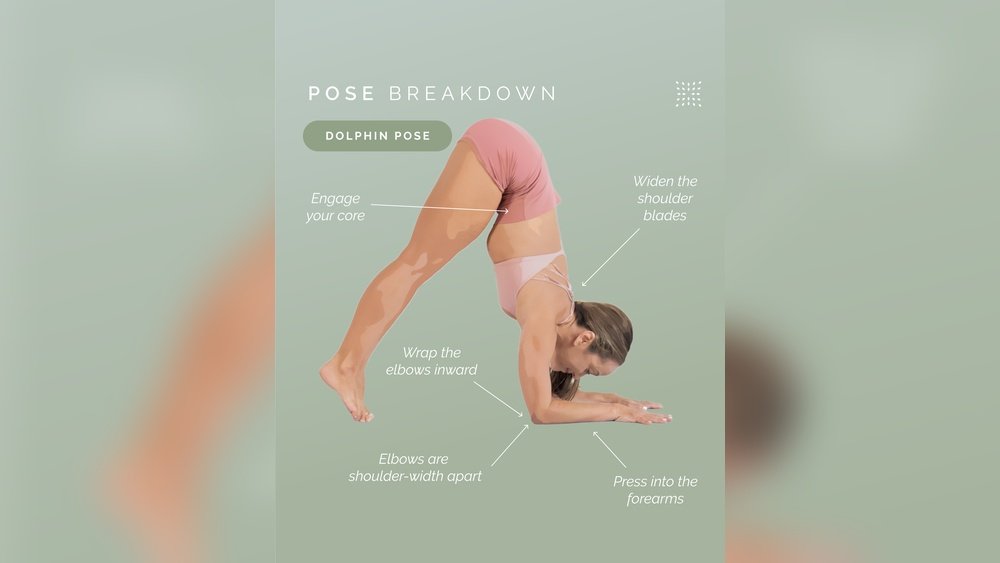
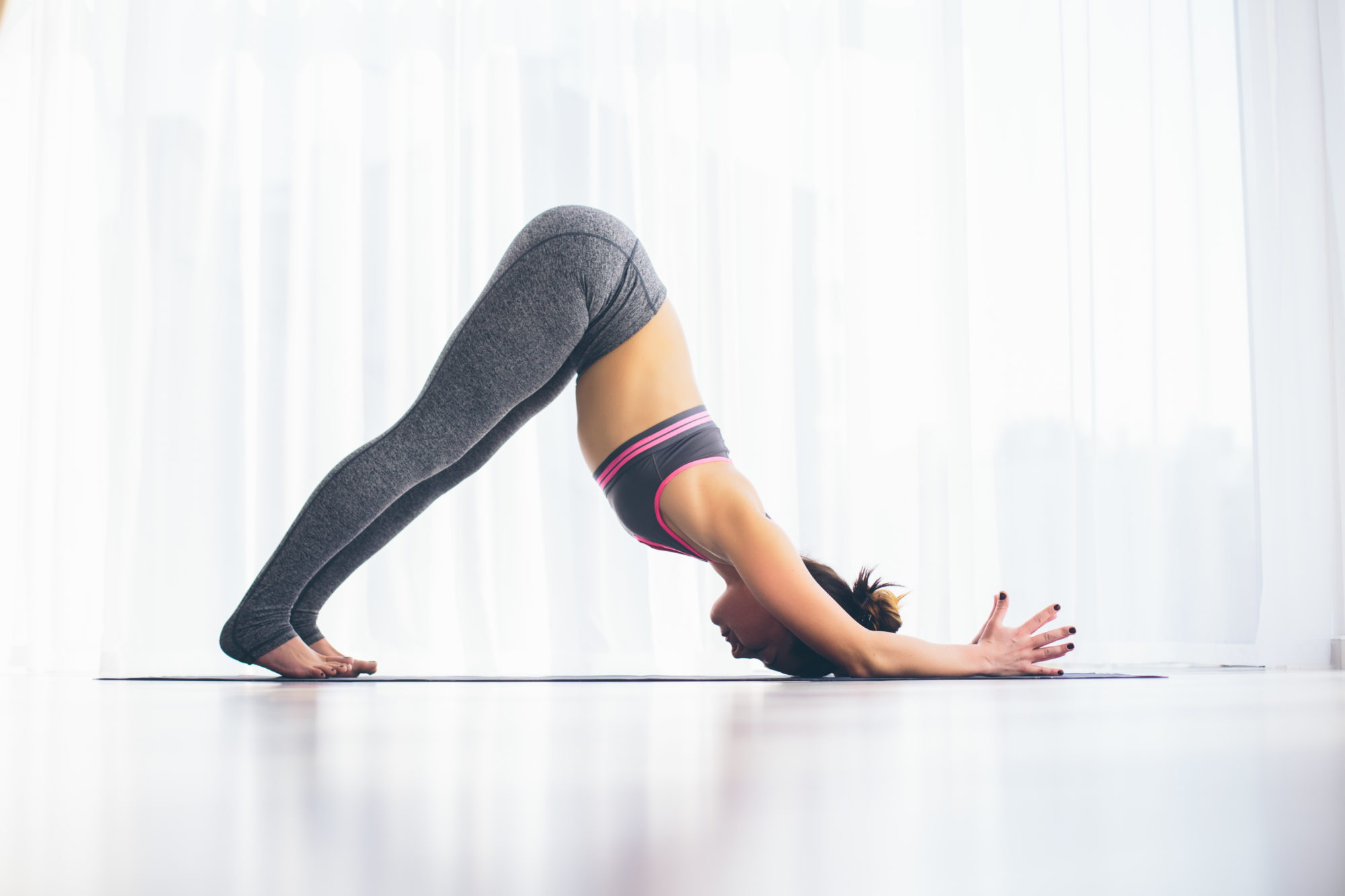
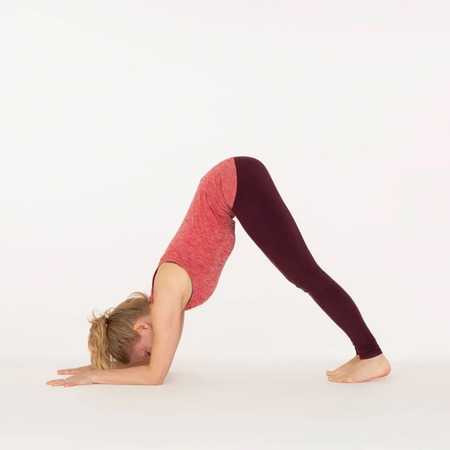
Dolphin Pose is a forearm-based yoga posture where your forearms and feet support your body, forming an inverted “V” shape. It looks similar to Downward-Facing Dog, but with your forearms on the ground instead of your hands. This small change makes a big difference. The pose strongly activates your shoulders, upper back, and core, providing unique benefits compared to other asanas.
Dolphin Pose is suitable for all levels, but it challenges muscles that are not often used in daily life. With regular practice, it can improve posture, balance, and confidence for more advanced yoga poses.
How To Do Dolphin Pose: Step-by-step Instructions
- Start on all fours: Place your knees below your hips and your hands under your shoulders.
- Lower your forearms to the mat, keeping your elbows shoulder-width apart.
- Spread your fingers wide and press your palms and forearms firmly into the ground.
- Tuck your toes and lift your hips toward the ceiling, straightening your legs.
- Keep your head between your upper arms, ears in line with your biceps.
- Hold the position for 5–10 breaths, keeping your heels reaching toward the mat (they may not touch).
- To release, slowly lower your knees back to the floor.
Key Alignment Tips
- Press your forearms evenly into the ground to protect your shoulders.
- Keep your spine long and your tailbone reaching up.
- Avoid collapsing your chest; instead, lift your upper back.
- Relax your neck and gaze gently between your knees.
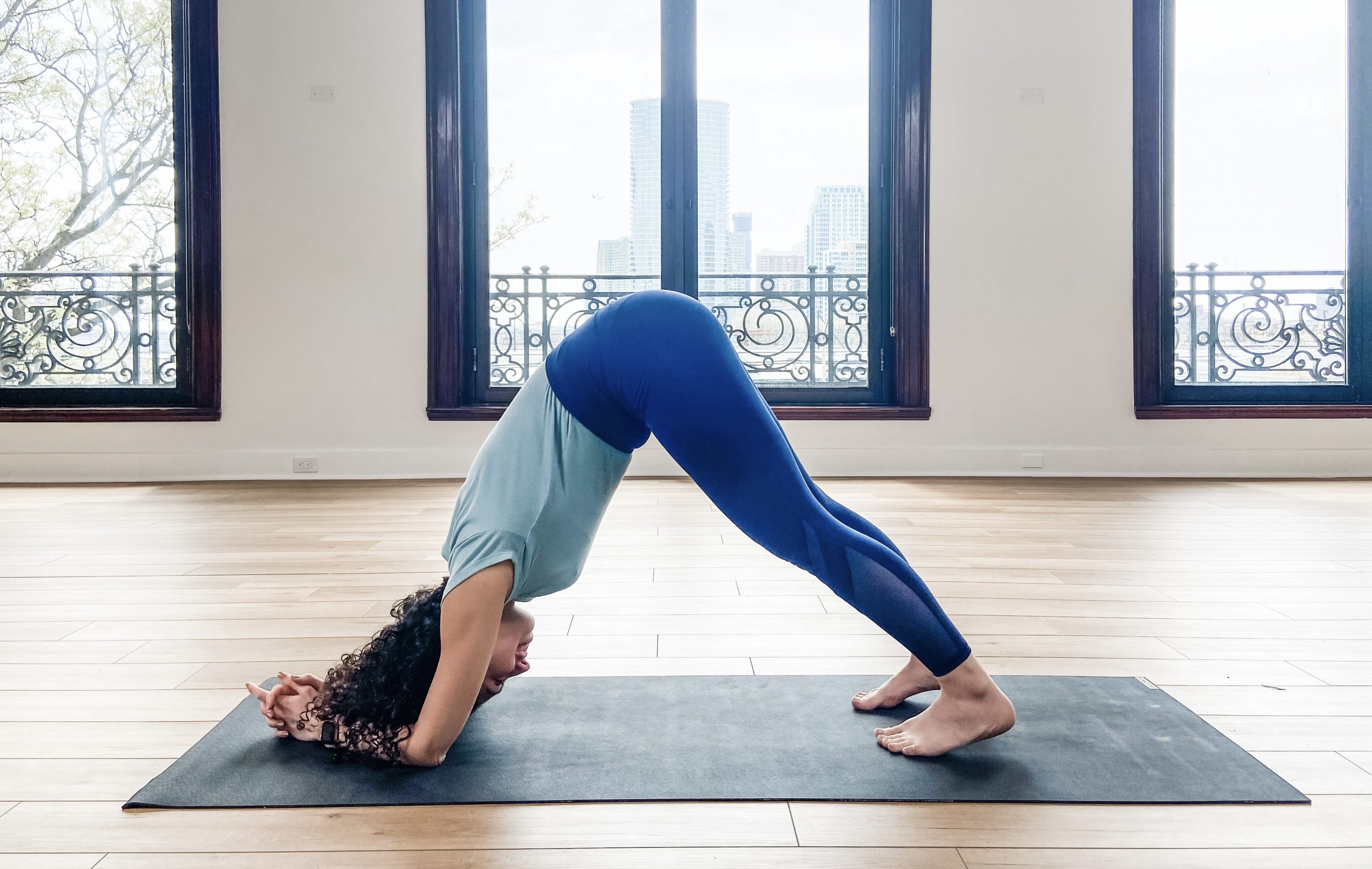
Credit: www.yogarenewteachertraining.com
Physical Benefits Of Dolphin Pose
Dolphin Pose is much more than a stretch. It offers real physical advantages, especially for those who spend long hours sitting or using computers.
Strengthens Upper Body
Dolphin Pose targets the shoulders, arms, and upper back. Unlike traditional push-ups or weight training, this pose builds functional strength, improving stability and endurance. Over time, you may notice better posture and less shoulder tension.
Improves Core Stability
Balancing with your hips high and forearms down requires a strong core. Dolphin Pose activates the abdominal muscles, helping to stabilize your spine. A strong core is essential for overall movement and helps prevent lower back pain.
Stretches Hamstrings And Calves
As you reach your heels toward the mat, your hamstrings and calves get a deep stretch. This helps increase flexibility, especially if you have tight legs from running or sitting.
Lengthens The Spine
The inverted position creates space between the vertebrae, gently decompressing the spine. This can reduce stiffness and increase mobility, making you feel taller and lighter.
Prepares For Advanced Poses
Dolphin Pose is a foundation for inversions like the forearm stand (Pincha Mayurasana). By mastering Dolphin, you build the strength and confidence needed for balancing upside down.
Mental And Emotional Benefits
Yoga is not just about the body—it’s also about the mind. Dolphin Pose can have a calming effect, helping you manage stress and anxiety.
- Boosts Focus: Holding the pose requires concentration, bringing your attention to the present moment.
- Reduces Stress: The gentle inversion increases blood flow to the brain, which may help clear your mind and refresh your energy.
- Promotes Relaxation: Slow, deep breathing while in Dolphin Pose soothes the nervous system.
Common Mistakes And How To Fix Them
Even experienced yogis can make errors in Dolphin Pose. Here are some frequent mistakes and how to correct them:
- Elbows too wide or narrow: Keep elbows directly under your shoulders. If they spread out, your shoulders lose support.
- Rounding the back: Focus on lengthening your spine. Engage your core and reach your hips up.
- Letting the head hang: Keep your head in line with your arms, not dangling.
- Collapsing into the shoulders: Push the floor away with your forearms. Feel your chest lift slightly, not sink.
- Heels too high: Aim your heels toward the mat, even if they don’t touch. This activates your legs and lengthens your back.
A practical tip: Practice in front of a mirror or ask a friend to check your form. Small changes can make a big difference.
Dolphin Pose Vs. Downward-facing Dog
These two poses look similar but work the body in different ways. Here’s a quick comparison:
| Feature | Dolphin Pose | Downward-Facing Dog |
|---|---|---|
| Arm Position | Forearms on mat | Hands on mat |
| Shoulder Engagement | Much higher | Moderate |
| Beginner-Friendly | Yes, with props | Yes |
| Preparation for Inversions | Excellent | Good |
The main takeaway: Dolphin Pose puts more load on the shoulders and core, making it a valuable strength-builder.
Variations And Modifications
Every body is different. You can adapt Dolphin Pose to your needs with these variations:
For Beginners
- Knees Bent: Keep a slight bend in your knees to focus on your back and shoulders, not hamstring flexibility.
- Wall Support: Place your heels against a wall for balance. This helps you find stability and alignment.
- Yoga Block Between Hands: Hold a yoga block between your hands to keep elbows at shoulder-width.
For More Challenge
- Dolphin Push-Ups: From Dolphin Pose, shift your chest forward toward your hands, then return. This works the arms and shoulders intensely.
- Three-Legged Dolphin: Lift one leg toward the ceiling, hold, then switch. This variation improves balance and core strength.
- Walking the Feet In: Step your feet closer to your elbows, bringing your hips even higher. This is a strong preparation for forearm stand.
For Flexibility
- Heels on a Blanket: If your heels won’t reach the floor, place a folded blanket under them. This reduces strain and allows you to focus on proper alignment.
How Dolphin Pose Fits Into A Yoga Practice
Dolphin Pose works well as part of a warm-up, strength sequence, or cool-down. Here are three ways to include it in your routine:
- Warm-Up: Start with Child’s Pose, Cat-Cow, then Dolphin. This opens the shoulders and prepares you for deeper stretches.
- Strength Flow: Use Dolphin between Plank Pose and Downward Dog for a full upper body workout.
- Cool-Down: After backbends, Dolphin helps release tension in the spine and shoulders.
Most yoga teachers recommend holding Dolphin Pose for 5–10 breaths. Advanced students may hold longer or repeat the pose for added strength.
Credit: www.theyogacollective.com
Practical Tips For Success
- Warm up your shoulders before trying Dolphin Pose. Gentle shoulder rolls or arm circles prepare the joints.
- Practice daily, even for a few breaths, to build strength and confidence.
- Listen to your body—never force your heels down or let pain develop in your neck or shoulders.
- Use props if needed. Yoga blocks, blankets, or a wall can help you find the right alignment.
- Progress slowly. Master the basics before trying advanced variations.
A common insight: Progress in Dolphin Pose is often slow. Many beginners expect to touch their heels to the floor in a week, but this takes time. Consistency is more important than speed.
Who Should Avoid Dolphin Pose?
While Dolphin Pose is generally safe, some people should be careful or avoid it:
- If you have shoulder injuries, ask a doctor or physical therapist before practicing.
- Those with neck problems should keep the head lifted and avoid pressure.
- High blood pressure or glaucoma: Inversions can be risky; check with your healthcare provider.
If you feel sharp pain, especially in the neck or shoulders, come out of the pose immediately.
Real-world Example: Incorporating Dolphin Pose
Maya, a beginner yogi, struggled with shoulder strength and found Downward Dog tiring. She started including Dolphin Pose for 5 breaths every practice. After one month, she noticed better posture, less shoulder tightness, and more confidence in plank and push-up poses.
The slow improvement surprised her, but she realized that consistency mattered more than how “deep” the pose looked.
Dolphin Pose For Athletes And Desk Workers
Athletes often use Dolphin Pose to stretch and strengthen muscles that get tight from repetitive movement. Runners, for example, benefit from the deep calf and hamstring stretch. Desk workers can use Dolphin Pose to undo hours of hunching—just a few breaths can open the chest and relax the neck.
Comparison: Dolphin Pose Vs. Forearm Plank
These poses look similar but feel very different. Here’s a quick overview:
| Feature | Dolphin Pose | Forearm Plank |
|---|---|---|
| Hip Position | Hips lifted high | Body in straight line |
| Focus | Shoulders, core, hamstrings | Core, shoulders, glutes |
| Stretch vs. Strength | Stretch & Strength | Mainly Strength |
| Flexibility Needed | Moderate | Low |
Dolphin Pose gives you both stretch and strength, while Forearm Plank is mostly about stability.
The Science Behind Dolphin Pose
Research shows that yoga poses like Dolphin can improve shoulder mobility and core strength. A study published in the International Journal of Yoga found that regular practice of forearm-based postures increases muscle endurance and joint stability. These benefits are especially important for injury prevention and healthy aging.
Another non-obvious insight: Dolphin Pose encourages “proprioception,” or body awareness. As you balance and adjust in the pose, your brain learns where your body is in space. This skill reduces the risk of falls and improves athletic performance.
Credit: www.yogaeasy.com
Precautions And Safety Tips
- Move slowly into and out of the pose.
- Never push through sharp pain.
- Use a mat to prevent slipping.
- If you feel dizzy, rest in Child’s Pose.
If you want detailed anatomical information or advanced studies, visit Wikipedia for more resources.
Frequently Asked Questions
What Muscles Does Dolphin Pose Work?
Dolphin Pose mainly works the shoulders, upper back, core, hamstrings, and calves. You will also feel your arms and wrists getting stronger with regular practice.
Is Dolphin Pose Good For Beginners?
Yes, Dolphin Pose is suitable for beginners if you use props and focus on alignment. Keeping your knees bent or using a wall for support can make the pose easier and safer.
How Long Should I Hold Dolphin Pose?
Start with 5–10 slow breaths. As you get stronger, you can hold the pose for longer—up to 30 seconds or more if it feels comfortable.
Can Dolphin Pose Help With Back Pain?
Dolphin Pose can help relieve mild back tension by stretching and strengthening supporting muscles. However, if you have serious back problems, consult a healthcare professional before practicing.
What Is The Difference Between Dolphin Pose And Downward Dog?
The main difference is the arm position: Dolphin Pose uses forearms, while Downward Dog uses hands. Dolphin Pose builds more shoulder and core strength, while Downward Dog gives a gentler stretch for beginners.
Dolphin Pose is a simple but powerful yoga posture that can transform both strength and flexibility. By practicing with awareness and patience, you’ll discover new capabilities in your body and mind. Whether you’re building up to inversions or just seeking a stronger, healthier upper body, Dolphin Pose is a valuable tool on your yoga journey.