Half Moon Yoga Pose: A Complete Guide To Ardha Chandrasana
Yoga is well known for its graceful postures and deep benefits. Among these, the Half Moon Pose—known as Ardha Chandrasana in Sanskrit—stands out as a blend of balance, strength, and gentle opening. This pose looks beautiful but can feel challenging even for experienced practitioners. However, with the right approach, anyone can learn to practice it safely and enjoy its many rewards.
In this article, you will learn everything about the Half Moon Pose, from its meaning and benefits to detailed instructions, alignment tips, common mistakes, and variations. Whether you are new to yoga or want to deepen your practice, you will find practical advice, clear steps, and insights that help you master this pose.
What Is Half Moon Yoga Pose?
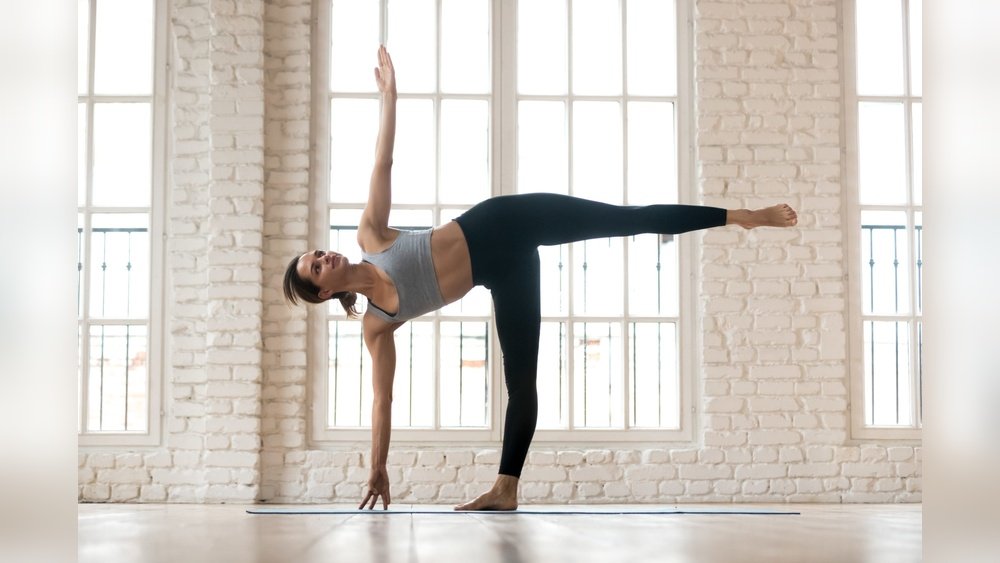
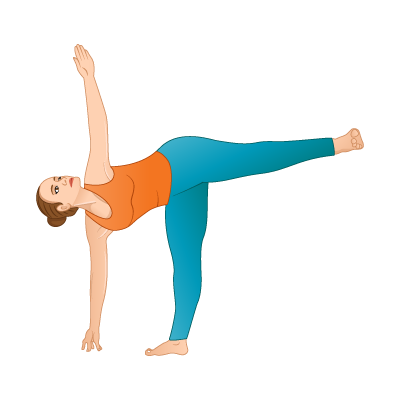
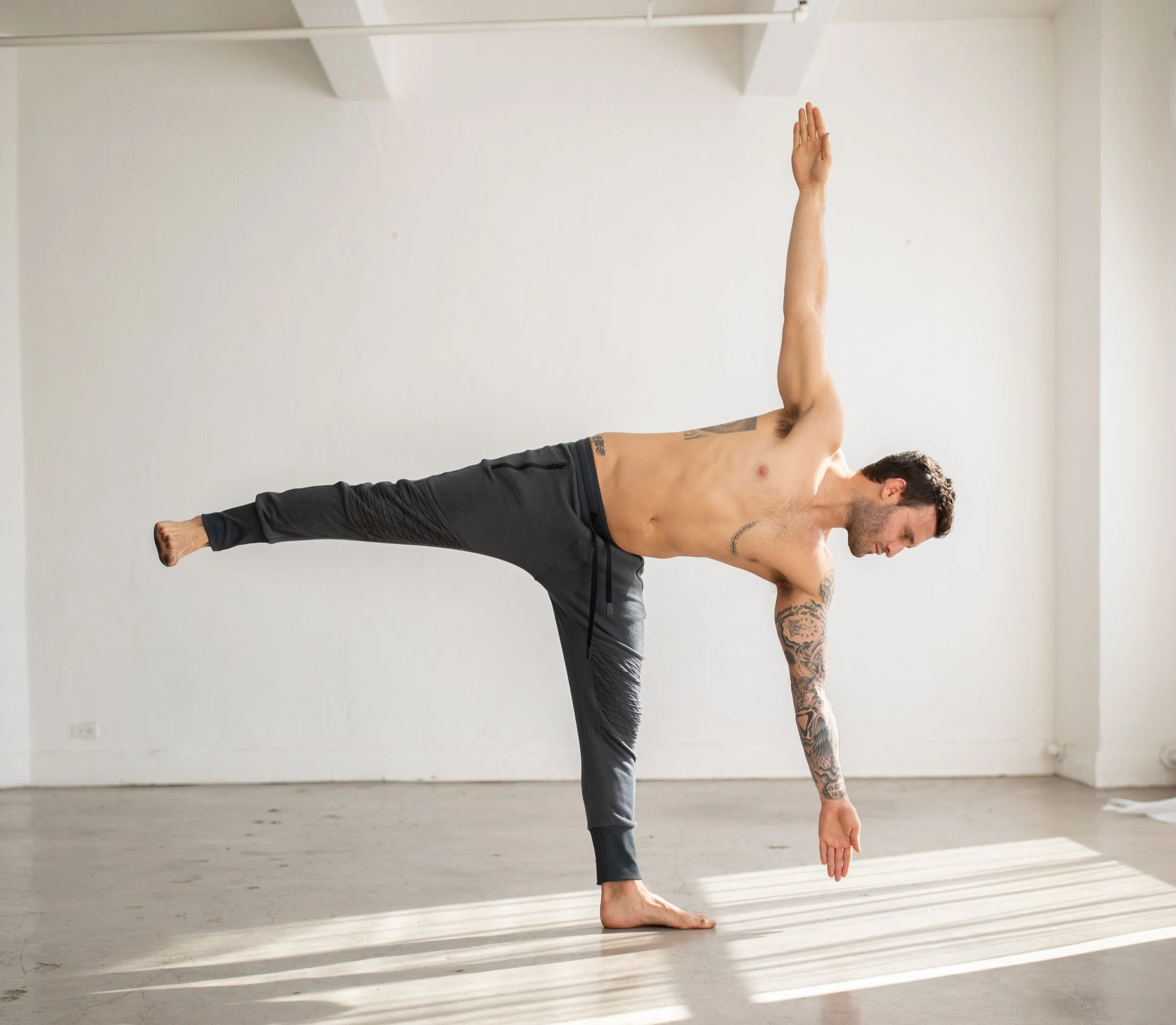
The Half Moon Pose gets its name because the body, when balanced on one leg with the other leg and arm lifted, resembles a shining half-moon. In Sanskrit, “Ardha” means half and “Chandra” means moon. This pose belongs to the standing balance family, making it both energizing and grounding.
You usually practice Half Moon Pose as part of a flow, often after Triangle Pose (Trikonasana) or Warrior II (Virabhadrasana II). It asks you to balance on one leg, open your hips, stretch your chest, and reach toward the sky.
It combines the strength of a standing pose with the openness of a side stretch.
Physical And Mental Benefits
Practicing Half Moon Pose regularly brings a wide range of benefits. Some are easy to notice, while others develop over time.
- Improves Balance: Balancing on one leg trains your body and mind to focus. You learn to adjust quickly and find stability even when you wobble.
- Strengthens Legs and Ankles: Standing and lifting your own weight builds strong muscles in the standing leg, especially the glutes, thighs, and calves. The ankle works hard to keep you steady.
- Opens Hips and Chest: The lifted leg and extended arm help open your hips and chest. This can improve posture and reduce tightness from sitting or stress.
- Enhances Core Strength: Keeping your torso stable and long requires strong core muscles. This strengthens the abdomen and back.
- Boosts Concentration: Focusing on balance encourages a calm, steady mind. Many people find that this pose helps reduce anxiety and clears mental fog.
- Lengthens the Spine: When done with good alignment, the spine extends and decompresses, which may reduce back discomfort.
- Energizes the Body: The open, expansive shape can relieve fatigue and make you feel more awake.
A non-obvious benefit is that practicing this pose improves your ability to respond calmly to challenges, both on and off the mat. It teaches you to stay present, adapt, and not give up easily.
When And How To Practice Half Moon Pose
This posture fits well into most yoga sequences, especially after warming up your hips, hamstrings, and shoulders. It is usually placed in the middle of a practice, after poses like Triangle, Extended Side Angle, or Warrior II.
Best Time To Practice
- After a gentle warm-up or sun salutations
- When your body feels warm and ready to balance
- Avoid cold muscles, as this increases injury risk
Who Can Practice
Most healthy adults can try Half Moon Pose. However, people with recent ankle, hip, or back injuries should avoid it or ask a yoga teacher for guidance. Pregnant people and those with vertigo should take extra care.
Step-by-step Guide To Half Moon Pose
Clear instructions make a big difference in your experience. Here is a safe, detailed way to enter and hold the pose:
- Start in Triangle Pose: Stand with your feet wide, right toes pointing forward, left toes slightly in. Reach your right hand to your shin or the floor and stretch your left arm up.
- Bend the Front Knee: Bend your right knee, shifting weight into your right leg.
- Reach Forward: Move your right hand about 12 inches in front of your right foot, keeping it on the floor or a block.
- Lift the Back Leg: Press into your right foot and begin to lift your left leg up and back. Flex the left foot and point the toes forward.
- Stack the Hips: Turn your left hip and shoulder open, so they stack over the right side.
- Extend the Left Arm: Reach your left arm straight up, fingers pointing to the ceiling. You can look up, forward, or down—whatever feels steady.
- Balance and Breathe: Hold for 3–5 breaths, then gently return to standing and repeat on the other side.
Visual Alignment Checkpoints
- Standing foot: Root down through all four corners.
- Lifted leg: Parallel to the floor, toes point forward.
- Torso: Long, not collapsing into the side.
- Top arm: In line with the bottom arm.
- Head: Neutral, gaze steady.
Key Alignment Tips
Small changes make a big difference in Half Moon Pose. Watch for these points:
- Keep the standing leg strong but avoid locking the knee.
- Do not collapse your weight into the lower hand. Use your core and legs to lift.
- The lifted leg should stay active and straight, not floppy.
- If your hand does not reach the floor, use a yoga block for support.
- Try to stack the hips and shoulders, but do not force it.
- Press the lifted heel away to create length from heel to head.
A common beginner mistake is to try to open the chest too much, causing the standing leg or hip to twist awkwardly. Focus on stability first, then openness.
Using Props For Support
Props are not just for beginners—they help everyone find better alignment and comfort. The most useful prop for Half Moon Pose is a yoga block.
How To Use A Yoga Block
Place a block under your lower hand at its highest, middle, or lowest height. This brings the floor closer and keeps your spine long. Blocks can also help if you have tight hamstrings or limited flexibility.
Wall Support
Practicing with your back or lifted foot against a wall can give extra balance and feedback. This is especially helpful if you feel unsteady or want to check your alignment.
Common Mistakes And How To Avoid Them
Even experienced yogis make mistakes in Half Moon Pose. Here are some to watch for, and how to fix them:
- Collapsing the Side Body: This happens when you drop into the lower hand. Instead, keep the core engaged and spine long.
- Standing Leg Locked: Hyperextending the knee creates instability. Soften the knee slightly and lift the thigh muscles.
- Hips Not Stacked: Forcing the hips open can cause strain. Instead, open as much as possible without twisting the knee or ankle.
- Bottom Hand Too Far Forward or Back: The hand should be under the shoulder, not too far away. Adjust so you feel balanced.
- Looking Up Too Soon: Wait until you are steady before turning the head to look up. Otherwise, keep your gaze down or forward.
Variations And Modifications
Half Moon Pose is adaptable to many bodies and abilities. You can make the pose easier or harder, depending on your needs.
Easier Variations
- Use a block under your hand for extra height.
- Keep the gaze down for better balance.
- Practice near a wall for support.
Advanced Variations
- Sugarcane Pose (Ardha Chandra Chapasana): Bend the lifted knee and catch the foot with your upper hand, opening the chest and thigh.
- No-hand Half Moon: Once balanced, lift the lower hand off the floor and hold it at your heart.
- Revolved Half Moon (Parivrtta Ardha Chandrasana): Twist the torso toward the standing leg, reaching the opposite arm up.
Partner-assisted Variation
Practicing with a partner who gently holds your lifted leg or supports your hips can help you feel the correct alignment.
Credit: www.yogaclassplan.com
Half Moon Pose Vs. Similar Poses
It’s easy to confuse Half Moon Pose with other standing balances. Here’s how it compares:
| Pose Name | Main Difference | Focus Area |
|---|---|---|
| Half Moon Pose | Open chest, balance on one leg, side body long | Hips, core, balance |
| Warrior III | Torso and arms parallel to floor, hips squared | Hamstrings, glutes, focus |
| Triangle Pose | Both feet on floor, wide stance | Leg stretch, side body |
Preparing Your Body
Success in Half Moon Pose often depends on the warm-up. Prepare your body with these poses:
- Triangle Pose (Trikonasana)
- Extended Side Angle (Utthita Parsvakonasana)
- Warrior II (Virabhadrasana II)
- Forward Fold (Uttanasana)
- Low Lunge (Anjaneyasana)
- Standing Hand to Big Toe (Utthita Hasta Padangusthasana) for balance
These poses warm up the hips, hamstrings, and core, making it easier and safer to balance.
Credit: blog.alomoves.com
Practical Tips For Progress
Progress in Half Moon Pose can take time. Here are some insights that many beginners miss:
- It’s normal to wobble. Balancing is about small, constant adjustments. Do not judge yourself for shaking or losing balance.
- Breath is key. If you hold your breath, you lose stability. Inhale to lengthen, exhale to open and balance.
- Gaze matters. If looking up feels dizzy, keep your gaze down or forward until you grow steadier.
- Practice both sides. Most people have a stronger and a weaker side. Practicing both helps even out imbalances.
- Take breaks. Balancing uses a lot of small muscles. Rest and try again instead of forcing yourself to hold longer.
A useful but often-missed tip is to work on your foot strength and ankle mobility. Simple exercises like standing on one foot or rolling a tennis ball under your foot can help improve your Half Moon Pose.
Safety And Contraindications
While Half Moon Pose is safe for most, some people should use caution or avoid it:
- Recent or chronic ankle, hip, or back injuries
- Severe balance issues or vertigo
- Pregnancy (unless you have experience and your doctor approves)
- High or low blood pressure (move slowly and avoid holding the pose too long)
Listen to your body. If something feels sharp or painful, stop and seek guidance from a qualified yoga teacher.
How To Progress Over Time
Improvement comes through regular, mindful practice. You can measure progress in several ways:
| Beginner Level | Intermediate Level | Advanced Level |
|---|---|---|
| Uses block, gaze down, wobbly | No block, gaze forward, steadier | No block, gaze up, tries variations |
Celebrate small wins, such as holding the pose for one more breath or feeling less wobbly. Consistency matters more than perfection.
The Symbolism And Meaning Behind Half Moon Pose
The moon is a symbol of change and calm energy in many cultures. Practicing Half Moon Pose connects you with these qualities. The pose is about finding balance between effort and ease, strength and openness. Each time you wobble and find your center, you practice staying calm in the face of change—just like the moon changes shape but always returns.
Incorporating Half Moon Pose Into Your Practice
Half Moon Pose is more than just a physical posture—it is a way to develop focus, confidence, and lightness. Try adding it to your home practice once or twice a week. Use the pose as a way to check in with your body and mind.
Some people like to practice it on days when they feel scattered or tired, as it brings energy and clarity.
You can find more about the pose and its variations at Yoga Journal, which offers visuals and advice from expert teachers.
Frequently Asked Questions
What If I Can’t Reach The Floor With My Hand?
It’s common not to reach the floor at first. Use a yoga block or even a sturdy book under your hand. The goal is to keep your spine long, not to touch the ground at any cost.
Is Half Moon Pose Safe For Beginners?
Yes, with modifications. Beginners should use props, focus on alignment, and avoid forcing the hips or shoulders to open. Balancing near a wall adds safety and confidence.
How Long Should I Hold Half Moon Pose?
Hold the pose for 3 to 5 breaths at first. As you grow stronger, you can stay longer—up to 30 seconds per side. Listen to your body and avoid overstraining.
Can Half Moon Pose Help With Back Pain?
It can help if practiced with good alignment, as it strengthens the core and lengthens the spine. However, if you have active back pain or injury, consult a yoga teacher or healthcare professional before practicing.
What Should I Do If I Keep Losing Balance?
Wobbling is normal and part of the process. Try using a wall or block, focus your gaze on a fixed point, and engage your core. Practice often, and balance will improve over time.
Half Moon Pose is a rewarding, dynamic part of yoga practice. With patience, curiosity, and mindful effort, you can enjoy its many benefits and discover new strength and balance within yourself.

Credit: omstars.com