The Hero Yoga Pose, also known by its Sanskrit name Virasana, is a classic sitting posture in yoga. This pose is famous for its simplicity, yet it brings powerful benefits to the body and mind. People often use it for meditation, breathing exercises, or as a way to stretch after a long day. But there’s much more to Virasana than just sitting on your heels. If you want to unlock its full potential, you need to understand how to do it correctly, who should avoid it, and what makes this pose unique among yoga asanas.
Whether you’re a beginner or a seasoned yogi, learning about Hero Pose can deepen your practice. Let’s explore every aspect of this posture—how to do it, its physical and mental benefits, the common mistakes to avoid, and how it compares to similar yoga poses.
What Is Hero Yoga Pose?
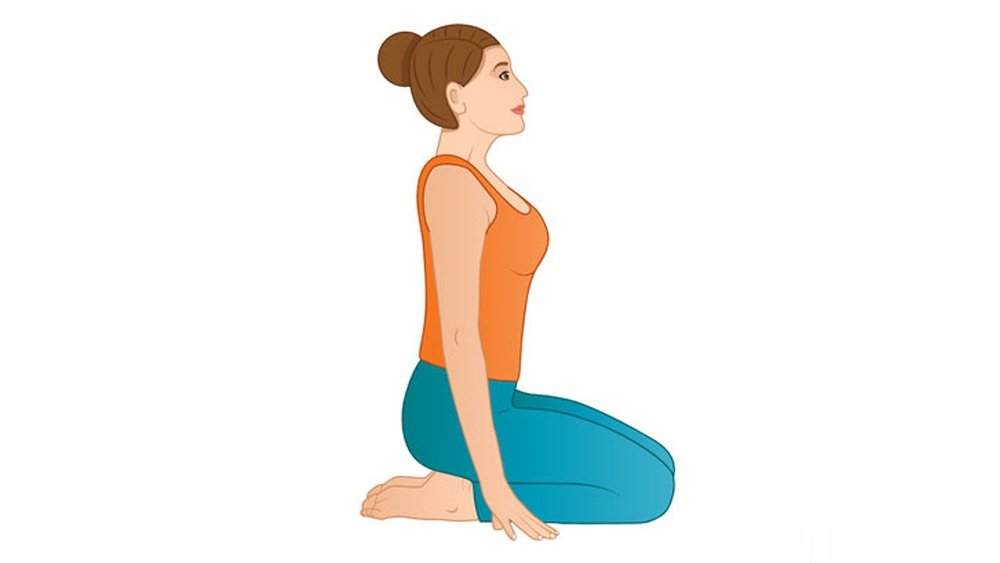
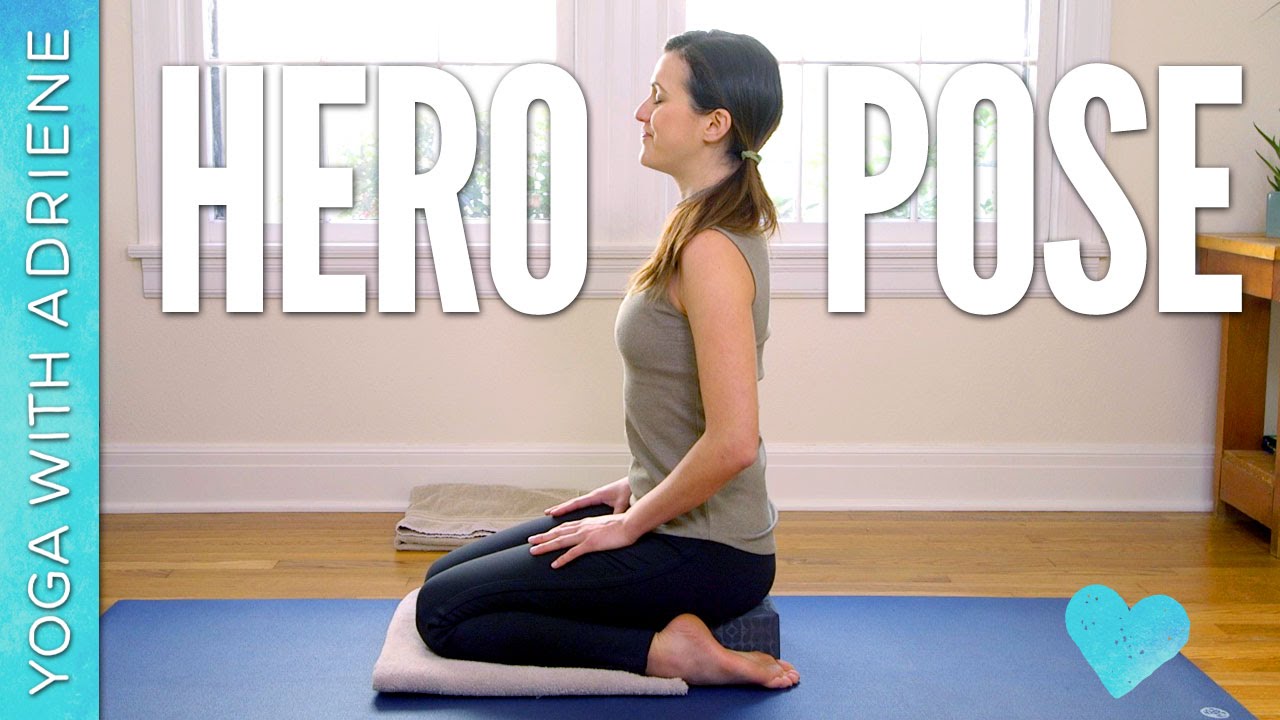
Virasana comes from the Sanskrit words “vira,” meaning hero, and “asana,” meaning seat or pose. The pose is designed to help you feel strong and stable, like a hero. In this posture, you sit on your heels with your knees bent and your shins on the floor. It might look simple, but holding Hero Pose with proper alignment takes focus and patience.
Unlike cross-legged sitting, Hero Pose stretches the thighs, knees, and ankles in a unique way. It also encourages a tall, upright spine. Yoga teachers often recommend this pose for meditation because it keeps you alert but comfortable for long periods.
How To Do Hero Yoga Pose (step-by-step)
1. Start In A Kneeling Position
Kneel on your mat with your knees together and your thighs perpendicular to the floor. Place your hands on your thighs.
2. Separate The Feet
Move your feet slightly wider than your hips, but keep your knees together. The tops of your feet should rest on the floor, with your big toes pointing straight back.
3. Sit Down Between Your Feet
Slowly lower your hips so you sit on the floor between your feet, not on your heels. Your buttocks should rest on the mat, and your feet should be on either side of your hips.
4. Align Your Posture
Sit up tall. Lengthen your spine and relax your shoulders. Place your hands on your thighs or in your lap.
5. Hold The Pose
Stay in Hero Pose for 30 seconds to 1 minute at first. With practice, you can sit longer—up to five minutes or more.
6. Release The Pose
Press your hands into the floor and lift your hips back up. Bring your feet together and shake out your legs before standing.
Practical Tips
- If your hips don’t reach the floor, use a folded blanket or yoga block under your sit bones for support.
- Keep your knees together to protect your joints.
- If you feel knee pain, stop and adjust your position.
Key Benefits Of Hero Pose
Hero Pose is more than just a sitting posture. It offers several health benefits, both physical and mental.
Physical Benefits
1. Stretches Thighs And Ankles
Virasana gives a deep stretch to the quadriceps, knees, and ankles. This helps increase flexibility in the lower body.
2. Improves Posture
Sitting upright in Hero Pose strengthens your back muscles. It teaches you to keep your spine straight, which can improve your posture in daily life.
3. Reduces Tired Legs
Many people use Hero Pose to relieve fatigue in the legs after standing or walking for a long time.
4. Helps With Digestion
Sitting in Virasana after a meal is believed to help digestion. The position gently massages the abdominal organs.
5. Increases Circulation
By opening the legs and hips, this pose can improve blood flow to the lower body.
Mental And Emotional Benefits
1. Promotes Calmness
The stillness of Hero Pose helps calm the mind. Many people use it for meditation or deep breathing.
2. Builds Patience And Focus
Holding the pose can be challenging, especially at first. Practicing regularly builds mental strength and patience.
Non-obvious Insights
- Hero Pose is one of the few yoga asanas you can do right after eating, as it supports digestion.
- Sitting in this pose for a few minutes every day can help you notice imbalances between your left and right sides, which is useful for correcting posture.
Common Mistakes And How To Avoid Them
Even though Hero Pose looks easy, beginners often make mistakes. Correct form is essential to avoid injury.
1. Knees Spread Too Wide
Your knees should touch or be close together. If they’re too wide, you put pressure on the hips and knees.
2. Sitting On Heels, Not The Floor
Hero Pose is not like Child’s Pose. You should sit between your feet, not on top of them. Use support if needed.
3. Collapsed Spine
Slouching in Hero Pose defeats its purpose. Keep your chest open and your spine long.
4. Ignoring Knee Pain
If you feel sharp pain in your knees, stop. Try sitting higher or seek advice from a yoga teacher.
5. Feet Splayed Out
Your toes should point straight back, not out to the sides. This protects your ankles.
Paying attention to these details will make your practice safe and effective.
Credit: www.youtube.com
Who Should Not Do Hero Pose?
Hero Pose is not for everyone. Certain health conditions make this pose risky.
- Knee injuries: If you have knee pain or recent surgery, avoid this pose.
- Ankle or foot problems: Issues like sprains or arthritis can be made worse.
- Tight hips or thighs: If you cannot sit comfortably, use props or skip the pose.
- Pregnancy: In the later stages, this pose may not be comfortable.
Always listen to your body. If you have medical concerns, consult a doctor or a certified yoga instructor before trying Hero Pose.
Modifications And Variations
Not everyone’s body is the same. You can adjust Hero Pose to fit your needs.
Using Props
- Blanket or Block: Place a folded blanket or block under your sit bones if you can’t reach the floor.
- Knee Support: Roll a small towel and place it behind your knees for extra comfort.
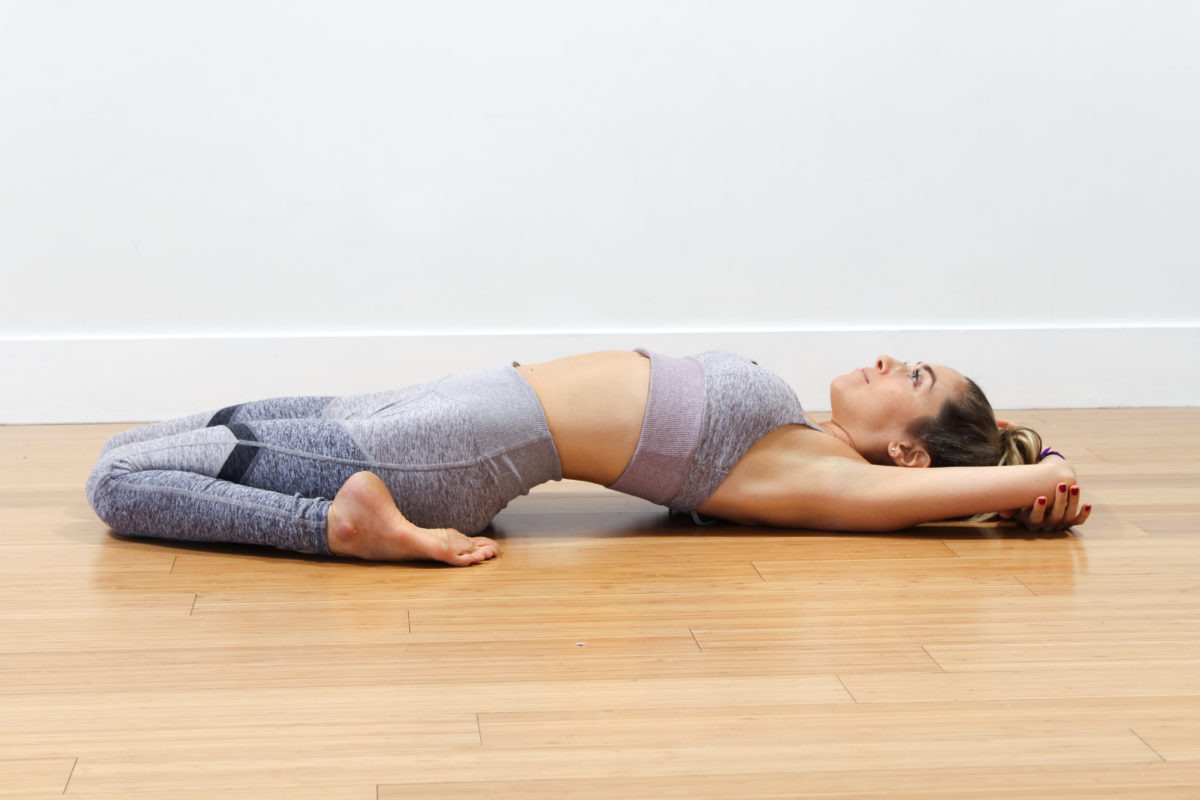
Reclined Hero Pose (supta Virasana)
For a deeper stretch, you can lean back into Reclined Hero Pose. Lie down on your back while staying in Hero Pose. This stretches the front body even more, but it’s advanced—don’t try it if you’re new to yoga.
One-legged Hero Pose
If both knees don’t feel comfortable, try keeping one leg extended while sitting on the other, then switch sides.
Comparison: Hero Pose Vs. Reclined Hero Pose
Here is a look at the main differences:
| Pose | Level | Main Stretch | When to Use |
|---|---|---|---|
| Hero Pose (Virasana) | Beginner | Thighs, knees, ankles | Meditation, after meals |
| Reclined Hero (Supta Virasana) | Intermediate/Advanced | Front body, hips, quadriceps | Deep stretching, relaxation |
Hero Pose Compared To Similar Yoga Poses
People often confuse Hero Pose with other sitting postures. Here’s how Virasana stands apart.
| Pose Name | Leg Position | Main Benefit |
|---|---|---|
| Hero Pose | Knees together, feet apart | Thigh and knee stretch |
| Thunderbolt Pose (Vajrasana) | Knees and feet together | Calms mind, aids digestion |
| Easy Pose (Sukhasana) | Cross-legged | Gentle hip opener |
Non-obvious Differences
- In Hero Pose, the stretch is much deeper in the thighs than in Thunderbolt Pose.
- Hero Pose is harder for people with tight ankles, while Easy Pose is easier for most beginners.
How To Use Hero Pose In Your Yoga Practice
Hero Pose is versatile. You can use it in different ways:
- Meditation Seat: If you find cross-legged positions uncomfortable, try Hero Pose for meditation.
- Pranayama (Breathing Exercises): The upright spine helps you breathe deeply and evenly.
- After Exercise: Sitting in Virasana helps relax the legs after walking, running, or cycling.
- During Yoga Classes: Many teachers use Hero Pose as a starting point for warm-ups or as a resting pose between active sequences.
Example Sequence
- Start with Hero Pose for 2 minutes of deep breathing.
- Move into Cat-Cow stretches.
- Return to Hero Pose for gentle shoulder rolls.
- Finish with meditation in Hero Pose.
Safety Tips For Hero Pose
Safety is always important, especially with poses that involve the knees.
- Warm Up: Stretch your legs and hips before doing Hero Pose.
- Use Props: There’s no shame in sitting on a block or blanket.
- Listen to Your Body: Never push through sharp pain.
- Change Sides: If one side feels tighter, spend extra time stretching it outside of the pose.
- Practice on a Mat: A soft mat protects your ankles and knees.
Hero Pose For Different Body Types
Hero Pose doesn’t look the same for everyone. People with long legs or tight muscles may need to modify the pose.
| Body Type | Common Challenge | Recommended Modification |
|---|---|---|
| Tall with long legs | Hips can’t reach the floor | Sit on extra blankets or blocks |
| Tight thighs | Discomfort in knees/thighs | Use higher props, stretch before Virasana |
| Flexible ankles | Ankles turn outwards | Focus on keeping toes straight back |
Credit: www.theyogacollective.com
How Long To Hold Hero Pose
Beginners should start with 30 seconds to 1 minute. As you get more comfortable, increase the time to 3-5 minutes. Some people with experience can hold the pose up to 10 minutes, but always pay attention to your knees and ankles.
If you start to feel numbness or pain, come out of the pose gently.
Scientific Research On Hero Pose
There is limited direct research on Virasana, but studies on yoga in general show that regular practice improves flexibility, posture, and mental focus. For example, a study published in the Journal of Physical Therapy Science found that yoga postures like Hero Pose can help reduce lower limb fatigue and improve posture in office workers.
If you want to read more about the science of yoga and its effects on the body, check out the Wikipedia page on yoga as exercise.
Credit: www.reddit.com
Frequently Asked Questions
What If My Knees Hurt In Hero Pose?
Pain in the knees is common, especially for beginners. Use a block or folded blanket under your hips to reduce pressure. If you still feel sharp pain, stop and try another pose. Never force your knees.
Can I Do Hero Pose After Eating?
Yes, Hero Pose is one of the few yoga poses safe after eating. In fact, it is believed to help digestion by gently compressing the abdomen.
Is Hero Pose Good For Meditation?
Absolutely. Hero Pose keeps your back upright and your mind alert, making it an excellent seat for meditation or breathing exercises.
How Is Hero Pose Different From Vajrasana (thunderbolt Pose)?
In Hero Pose, you sit between your feet, which are spread apart. In Thunderbolt Pose, you sit on your heels with feet together. The stretch and the muscle engagement are different.
Who Should Avoid Hero Pose?
Anyone with knee, ankle, or foot injuries should avoid this pose. If you have medical concerns, check with your doctor or a qualified yoga teacher before practicing Hero Pose.
Hero Pose may look simple, but it has deep benefits for your body and mind. With the right technique and attention to safety, this pose can become a powerful tool in your yoga journey. Try adding it to your daily routine and notice how it transforms your sitting posture, flexibility, and mental focus.