Finding comfort and focus during meditation is not always easy. Many people try to sit for meditation, but struggle with pain, numbness, or distraction. A meditation cushion can make a big difference, but using it the right way is essential.
If you’re new to meditation, or you’ve tried but felt uncomfortable, learning how to sit on a meditation cushion can help you build a more peaceful and effective practice.
Sitting properly helps your body relax, your mind stay alert, and your breathing flow smoothly. But there is no single “best” position. The right way depends on your body, the cushion you use, and your meditation goals. In this article, you’ll learn the key steps, useful tips, common mistakes, and practical advice to sit well on a meditation cushion.
You’ll also find real examples, comparison tables, and answers to common questions, so you can meditate with confidence.
Why Use A Meditation Cushion?
Meditation cushions are designed to support your body and help you sit comfortably for longer periods. They lift your hips, align your spine, and reduce pressure on your knees and ankles. A good cushion can:
- Improve posture
- Reduce pain and numbness
- Help you focus better
- Make meditation more enjoyable
Many beginners underestimate the importance of a cushion. Sitting directly on the floor can lead to slouching, discomfort, or even injury. Even experienced meditators often switch cushions for better support as their practice grows.
Types Of Meditation Cushions
There are several types of cushions, and each offers different support. Choosing the right one depends on your body shape, flexibility, and preferred sitting style. Here is a quick comparison:
| Cushion Type | Shape | Best For | Typical Height |
|---|---|---|---|
| Zafu | Round, pleated | Cross-legged positions | 12–15 cm |
| Zen Bench | Small wooden bench | Kneeling (Seiza) | 15–20 cm |
| V-Shaped Cushion | V-shaped, angled | Wide hips, extra support | 10–15 cm |
| Flat Mat (Zabuton) | Rectangular | Knee/ankle padding | 2–5 cm |
Zafu cushions are most popular. They are soft, round, and lift your hips above your knees. Zen benches support kneeling postures. Some people use both a zafu and a zabuton to cushion their knees and ankles.
How To Choose The Right Meditation Cushion
Before you sit, it’s important to pick a cushion that suits your body and style. Here are some factors to consider:
- Height: Taller people and those with stiff hips often need a higher cushion. If your knees point up when sitting, try a thicker cushion.
- Shape: Round cushions are versatile. V-shaped cushions help if you have wider hips or need extra support. Benches are good for kneeling.
- Firmness: Soft cushions can feel good but may sink too much. Firmer cushions keep your spine straight.
- Material: Common fillings include buckwheat hulls (firm and supportive) or cotton (softer). Buckwheat is often preferred for longer sessions.
Here’s another quick comparison for materials:
| Material | Support Level | Durability | Comfort |
|---|---|---|---|
| Buckwheat Hulls | High | Very durable | Firm, adjustable |
| Cotton | Medium | Moderate | Softer, lighter |
| Synthetic Foam | Low–medium | Varies | Soft, inexpensive |
Most meditators prefer buckwheat hulls because they mold to your body and keep their shape.
Preparing Your Space
Before sitting, make sure your meditation space is clean, quiet, and comfortable. Place your cushion on a flat surface. If you have a zabuton, lay it down first to protect your knees and ankles.
- Choose a spot away from distractions.
- Remove shoes and wear comfortable clothes.
- Have a timer or meditation bell ready if you use one.
Setting up your space helps your mind settle and signals your body it’s time to meditate.
Step-by-step: How To Sit On A Meditation Cushion
Sitting properly on a meditation cushion is simple, but small adjustments make a big difference. Here’s how to do it:
- Place the Cushion: Set your cushion in the center of your meditation space. If you use a zabuton, put the cushion on top.
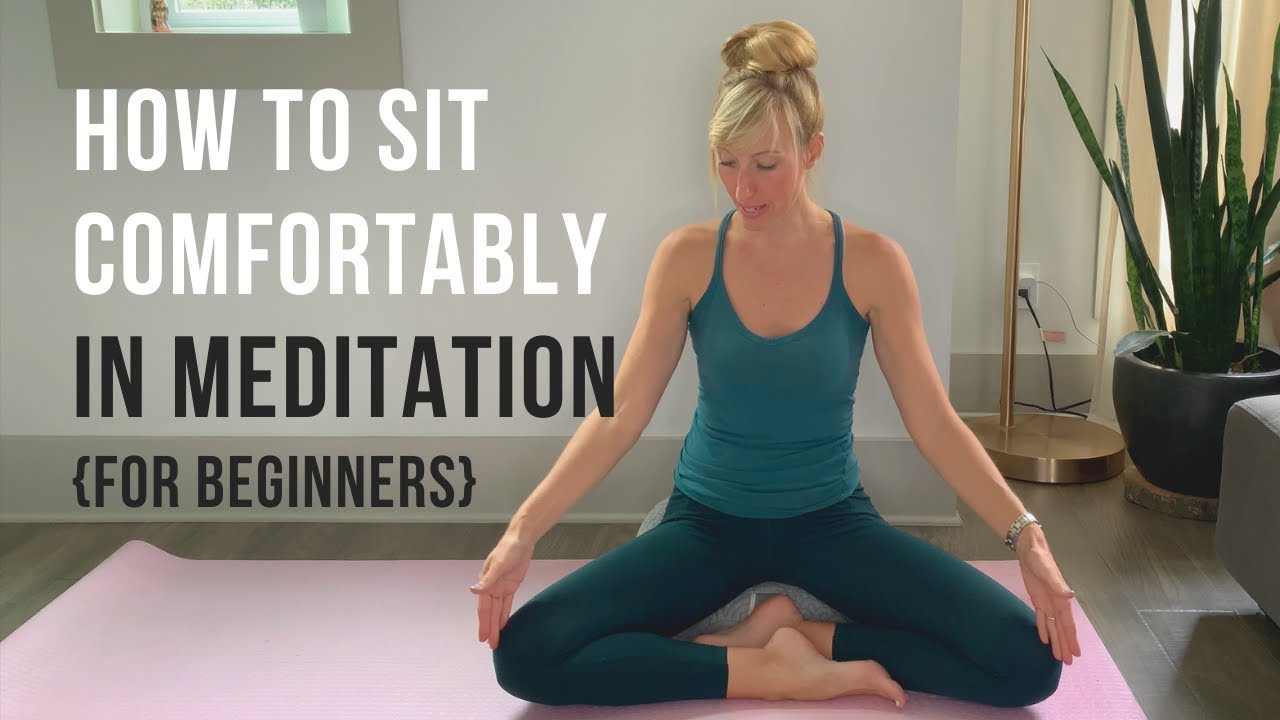
- Sit Down: Gently sit on the front third of the cushion. This lifts your hips and helps tilt your pelvis forward.
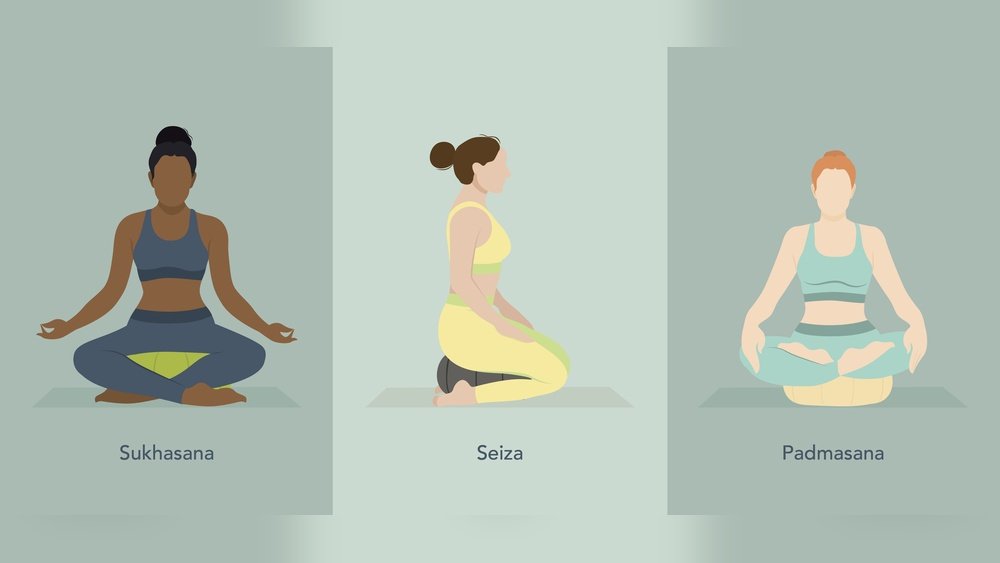
- Choose Your Position: Pick a sitting style that feels best:
- Cross-legged (Easy Pose): Both legs crossed in front. Ideal for most people.
- Half-lotus: One foot on the opposite thigh, the other under the knee.
- Full lotus: Both feet on opposite thighs (for flexible bodies).
- Burmese position: Legs crossed, both feet on the floor.
- Kneeling (Seiza): Kneel with legs folded under, sitting on a bench or cushion.
- Adjust Your Hips: Tilt your pelvis forward slightly, so your spine curves naturally. Your knees should touch the floor or zabuton. If your knees are off the ground, try a higher cushion.
- Align Your Spine: Sit tall, with your head, neck, and back in a straight line. Imagine a string pulling you up from the top of your head.
- Relax Your Shoulders: Drop your shoulders away from your ears. Let your arms rest gently on your thighs or in your lap.
- Hands Placement: Place your hands comfortably. You can use a mudra (hand gesture) or simply rest your palms facing up or down.
- Close Your Eyes: Gently close your eyes or lower your gaze. Breathe naturally.
Making small adjustments can help you find the best position for your body.
Common Mistakes To Avoid
Many beginners sit incorrectly, which leads to discomfort or distraction. Here are some mistakes to watch for:
- Sitting too far back on the cushion: This can cause slouching.
- Hips too low: If your knees are higher than your hips, your back may round and hurt.
- Legs falling asleep: If your cushion is too hard or your position is wrong, you might cut off blood flow.
- Ignoring pain: If you feel pain, change your position or use more support.
- Shoulders tense: Relax your shoulders to avoid neck pain.
Don’t force your body into a position that feels unnatural. Adjust as needed.

Credit: www.reddit.com
Practical Tips For Comfort And Stability
Getting comfortable is important, but so is staying stable. Here are some helpful tips:
- Use a zabuton under your cushion for extra knee and ankle padding.
- If your legs are stiff, try stretching before meditation.
- Experiment with different cushion heights and shapes.
- Place a folded blanket under your knees if they hurt.
- Shift your weight slightly forward to avoid slouching.
- If you have back pain, try sitting against a wall for support.
Many meditators find that regular practice improves their flexibility and comfort over time. If you feel discomfort, it’s better to adjust than to force yourself.
How Long Should You Sit?
Most beginners start with 5–10 minutes and gradually increase. Research shows that even short sessions can reduce stress and improve focus. Experienced meditators often sit for 20–40 minutes or longer.
A study from Harvard found that regular meditation improves attention, emotional health, and body awareness. The key is consistency, not length. If you sit comfortably, you are more likely to stick with your practice.
Meditation Cushion Vs. Chair
Some people wonder if sitting on a meditation cushion is better than sitting on a chair. Both have advantages, but cushions allow for more natural posture and deeper relaxation.
| Feature | Meditation Cushion | Chair |
|---|---|---|
| Posture | Natural, upright | Depends on chair |
| Hip Support | Elevated, flexible | Flat, sometimes stiff |
| Knee/Ankle Comfort | Good with zabuton | Not ideal for cross-legged |
| Focus | Usually better | Can feel casual |
| Accessibility | Requires flexibility | Good for limited mobility |
If you have trouble sitting on the floor, using a chair is fine. Just sit upright, keep your feet flat, and avoid slouching.
Real Example: Adjusting For Comfort
Maria, a beginner in meditation, tried sitting cross-legged on her zafu. Her knees were up in the air, and her back hurt after ten minutes. She switched to a higher cushion and used a zabuton. Her knees touched the floor, her hips were higher, and her spine stayed straight.
She could meditate comfortably for twenty minutes.
Many people don’t realize that a small change in cushion height or position can make a big difference. Experiment and find what works for you.

Credit: www.calm.com
Cleaning And Caring For Your Cushion
Meditation cushions last longer with proper care. Here are some tips:
- Use a removable cover and wash it regularly.
- Air out the cushion every few weeks to keep it fresh.
- Don’t store your cushion in damp places.
- If your cushion has buckwheat hulls, check for leaks or damage.
- Replace the filling if it loses shape or support.
A clean, well-maintained cushion supports your practice and helps you feel good.
Benefits Of Sitting Correctly
Sitting well on a meditation cushion offers many benefits:
- Better concentration: Your mind is less distracted by pain or discomfort.
- Deeper relaxation: Your muscles relax, and your breath flows smoothly.
- Improved posture: Good alignment supports your health.
- Longer sessions: You can meditate for longer without discomfort.
Proper sitting also reduces the risk of back pain or joint problems. Over time, you’ll notice better flexibility and body awareness.
Credit: www.youtube.com
Non-obvious Insights
- Pelvic tilt matters: Many beginners ignore how their pelvis is positioned. Tilting your pelvis slightly forward helps your spine stay straight and prevents lower back pain.
- Knee support is key: If your knees don’t touch the floor, your body will tense up. Using a zabuton or extra padding can solve this, even if you think only your hips matter.
Most guides focus only on posture and cushion type, but these small details often make the biggest difference.
Meditation Cushion Around The World
Different cultures use meditation cushions in unique ways. In Japan, the seiza position with a bench is common. In India, the cross-legged pose is preferred. Western meditators often use zafus and zabutons. No matter where you are, the goal is the same: a stable, comfortable seat for a peaceful mind.
For more information on meditation posture and cultural practices, you can visit Wikipedia.
Frequently Asked Questions
What Is The Best Meditation Cushion For Beginners?
For most beginners, a zafu filled with buckwheat hulls is ideal. It gives good support and molds to your body. Combine it with a zabuton for knee and ankle comfort.
How High Should My Meditation Cushion Be?
Your cushion should be high enough so your hips are above your knees. Most zafus are 12–15 cm tall. If your knees lift off the floor, use a higher cushion.
Can I Meditate Without A Cushion?
Yes, but sitting on the floor can cause discomfort. If you don’t have a cushion, use a folded blanket or towel. Chairs are also fine if you keep good posture.
How Do I Prevent My Legs From Falling Asleep?
Make sure your knees touch the floor and your hips are elevated. Use a zabuton or extra padding. If numbness continues, change your position or move your legs during breaks.
How Do I Clean My Meditation Cushion?
Most cushions have removable covers. Wash the cover regularly, air out the cushion, and check for damage. Avoid moisture and replace filling if needed.
Sitting well on a meditation cushion helps you build a strong meditation practice. With the right cushion, position, and care, you can enjoy more comfort, deeper focus, and better health. Try different approaches, listen to your body, and find the seat that works best for you.