
The Yoga Sutras of Patanjali are more than just an ancient book; they are the heart of classical yoga philosophy. Written over 1,700 years ago, these sutras (meaning “threads” in Sanskrit) explain the purpose, practice, and results of yoga in a way that still guides millions of practitioners today. But what exactly are the Yoga Sutras? Why do they matter, and how can someone use these teachings in daily life?
Many people hear about yoga as a way to stretch or relax. Few realize that yoga began as a science for mastering the mind and discovering inner peace. The Yoga Sutras are the main source for this deeper understanding. In this article, you will discover the background, structure, key concepts, and the real power of the Yoga Sutras of Patanjali.
You’ll also get insights that most beginners miss, practical comparisons, and answers to common questions.
Who Was Patanjali?
The author, Patanjali, is a mysterious figure. Scholars believe he lived between 200 BCE and 400 CE in ancient India. There are many legends about him—some say he was a great yogi, others claim he was a scholar of grammar and medicine as well. While his life remains unclear, his work has shaped yoga for centuries. Patanjali did not invent yoga, but he organized and explained it in a way that made it easy to follow and practice.
What Are The Yoga Sutras?
The Yoga Sutras are a collection of 196 short statements (sutras) written in Sanskrit. Each sutra is like a seed—short, but full of meaning. Patanjali used the sutra style because it was easy to memorize and share, even before books were common. The text is not a story or a guide with long explanations. Instead, it gives clear, direct instructions about how to calm the mind, overcome suffering, and reach self-realization.
The main focus is not on physical postures (asanas), but on the mind and how to control it. In fact, only three sutras mention the body; the rest explain how to understand and master thoughts, emotions, and habits.
Structure Of The Yoga Sutras
Patanjali divided the Yoga Sutras into four chapters (called “padas”). Each chapter builds on the one before it, guiding the reader from basic ideas to advanced states of consciousness.
| Chapter | Sanskrit Name | Main Focus |
|---|---|---|
| 1 | Samadhi Pada | The nature and goals of yoga; how to reach inner stillness |
| 2 | Sadhana Pada | Practice of yoga; steps to overcome suffering |
| 3 | Vibhuti Pada | Special powers and higher consciousness from deep practice |
| 4 | Kaivalya Pada | Freedom, liberation, and the final goal of yoga |
Key Concepts In The Yoga Sutras
Yoga: The Meaning
Patanjali starts by defining yoga as “the stilling of the movements of the mind.” This means controlling thoughts, emotions, and reactions so you can see reality clearly. He says that when the mind is quiet, the true self—full of peace and joy—appears.
The Eight Limbs Of Yoga (ashtanga Yoga)
The most famous part of the Yoga Sutras is the Eight Limbs of Yoga. These are practical steps for living a balanced, meaningful life. Each limb builds on the one before it. Here is a simple breakdown:
| Limb | Sanskrit Name | Explanation |
|---|---|---|
| 1 | Yama | Ethical rules for living with others (like honesty and kindness) |
| 2 | Niyama | Personal practices (like cleanliness and self-discipline) |
| 3 | Asana | Body postures for health and stability |
| 4 | Pranayama | Breath control to calm the mind |
| 5 | Pratyahara | Turning attention inward; withdrawing from distractions |
| 6 | Dharana | Concentration on one thing |
| 7 | Dhyana | Meditation; steady awareness |
| 8 | Samadhi | Deep absorption; feeling one with everything |
Most beginners think yoga means just stretching or doing poses. But Patanjali’s system shows that physical practice is only a small part. The main work is with the mind and behavior.
The Five Kleshas (causes Of Suffering)
Another key teaching is about the kleshas, or obstacles that cause suffering. According to Patanjali, there are five main kleshas:
- Avidya (ignorance) – Not seeing things clearly
- Asmita (egoism) – Over-identifying with the self
- Raga (attachment) – Strong desires
- Dvesha (aversion) – Strong dislikes or fears
- Abhinivesha (clinging to life) – Fear of death
Understanding these helps people see where their problems start, and how to remove them.
Samadhi: The Goal Of Yoga
The final aim in the Yoga Sutras is samadhi—a state of deep peace and unity. In samadhi, the mind becomes so quiet that the difference between “self” and “other” disappears. Patanjali explains many types of samadhi, but the highest is when the mind is completely free from any disturbance.

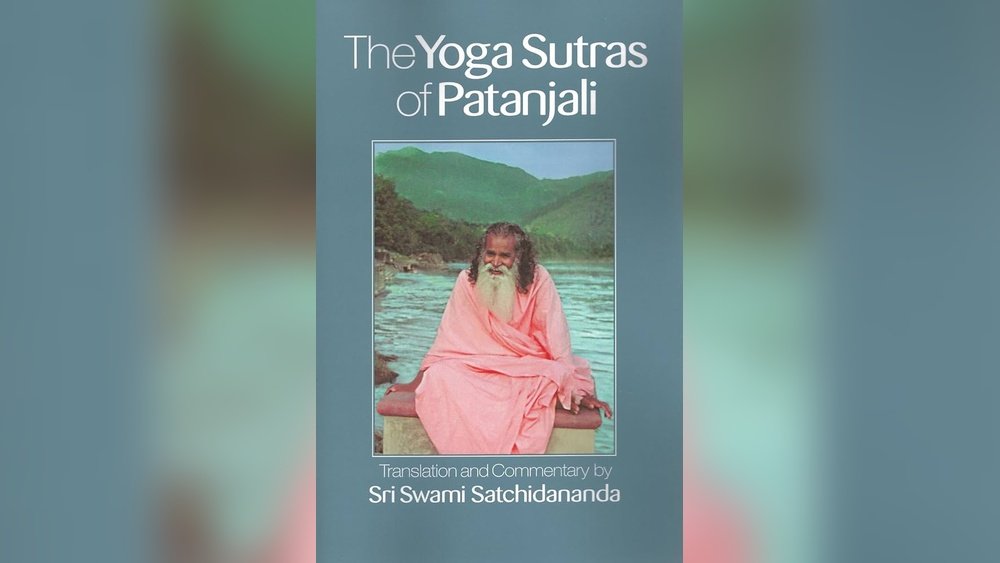
Credit: www.amazon.com
Practical Uses Of The Yoga Sutras Today
Even though the Yoga Sutras were written long ago, their advice is practical for modern life. They are used by:
- Yoga teachers for creating balanced classes
- Therapists for managing stress and anxiety
- Business leaders for better focus and decision making
- Anyone seeking peace or self-understanding
The eight limbs can be applied step by step. For example, someone might start with yama and niyama by practicing truthfulness or kindness. Later, they can add breathwork or meditation for deeper calm.
A common beginner mistake is trying to “jump” straight into meditation without working on other limbs. Patanjali’s system is like building a house: you need a strong foundation before adding the roof.
Yoga Sutras Compared With Other Yoga Texts
To understand the unique value of the Yoga Sutras, it helps to compare them with other important yoga texts.
| Text | Main Focus | Physical Postures? | Key Message |
|---|---|---|---|
| Yoga Sutras | Mental control and meditation | Very little | Stillness of mind leads to freedom |
| Bhagavad Gita | Action, devotion, and wisdom | No | Live with purpose and detachment |
| Hatha Yoga Pradipika | Physical postures and breath | Yes, many | Balance body and mind for health |
Many people confuse these texts. The Yoga Sutras are special because they focus almost 100% on the mind, not the body.
Credit: store.pothi.com
Non-obvious Insights For Beginners
- Yoga is not just relaxation. Many see yoga as a way to relax or stretch. Patanjali’s teaching is much deeper; it’s about self-study and transformation.
- Progress is not always linear. Some days, meditation feels easy; other days, the mind is busy. The Yoga Sutras say this is normal, and encourage steady, gentle effort.
- Community matters. Practicing alone is possible, but Patanjali often hints that learning with others (satsang) supports growth and helps avoid mistakes.
Common Misunderstandings About The Yoga Sutras
Many new students think the Yoga Sutras are a religious book. In truth, they are a practical guide. Patanjali’s approach does not require belief in any god. Instead, he offers tools anyone can use, from any background.
Another mistake is focusing only on the third limb (asanas). While physical health is important, real yoga means transforming the mind, emotions, and actions.
How To Start Studying The Yoga Sutras
If you want to learn from the Yoga Sutras:
- Read a simple translation. The original Sanskrit is difficult, but there are many clear translations with helpful notes.
- Practice one limb at a time. For example, start with ahimsa (non-violence) for a week, then add another practice.
- Find a teacher or group. Guidance helps you avoid confusion and deepen your understanding.
- Keep a journal. Write what you notice about your mind, reactions, and behavior.
- Be patient. The benefits grow with time and practice.
The Lasting Impact Of The Yoga Sutras
The Yoga Sutras have influenced not just yoga, but psychology, therapy, and even business leadership. Their ideas about habits, focus, and emotional health are now supported by modern science. For example, the practice of mindfulness meditation—now common in stress clinics—comes directly from Patanjali’s teachings.
Today, millions of people around the world use the Yoga Sutras to improve their lives, not just on the yoga mat, but at work, in relationships, and in finding peace.
If you want to read the full text or learn more about Patanjali’s influence, you can visit the Wikipedia page on the Yoga Sutras.
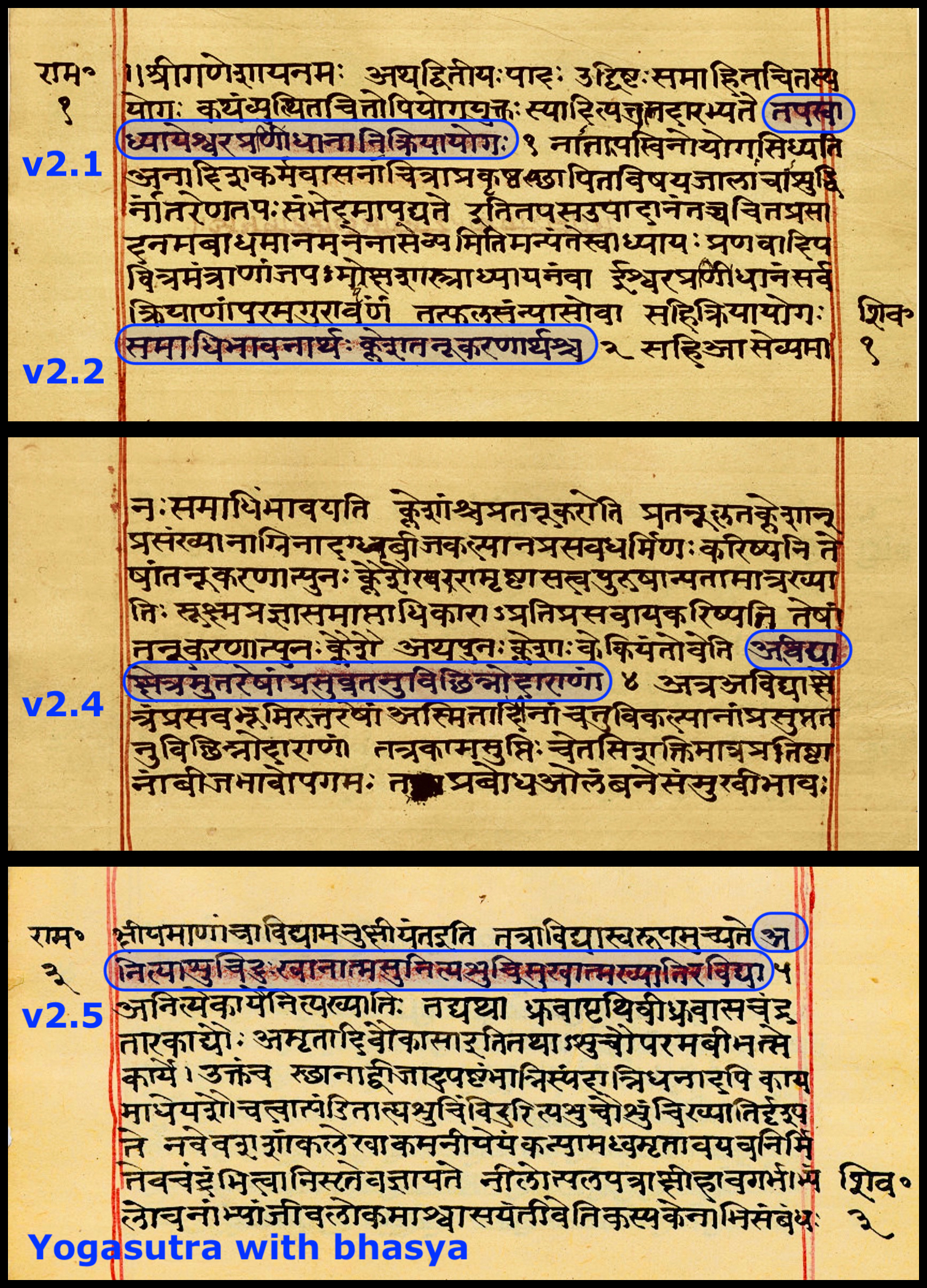
Credit: en.wikipedia.org
Frequently Asked Questions
What Is The Main Message Of The Yoga Sutras?
The main message is that yoga means calming the mind so you can see your true self clearly. When the mind is still, suffering ends and inner peace is possible.
Are The Yoga Sutras Religious?
No, the Yoga Sutras are not tied to any religion. They are a practical guide for anyone, no matter their faith or beliefs. The focus is on practice and experience, not belief.
How Many Limbs Does Patanjali Describe?
Patanjali describes eight limbs of yoga. These steps include moral living, self-discipline, postures, breath control, withdrawing the senses, concentration, meditation, and complete absorption.
Do The Yoga Sutras Talk About Yoga Poses?
Only a few sutras mention yoga postures. The main focus is on the mind, emotions, and habits. Physical poses are just one small part.
Can Beginners Use The Yoga Sutras?
Yes! Beginners can start with basic practices like honesty, kindness, or simple breathing exercises. The sutras offer steps for everyone, from new students to advanced yogis.
The Yoga Sutras of Patanjali remain a guiding light for anyone who wants more than just physical fitness from yoga. They invite you to look inside, calm your mind, and discover a deeper kind of freedom—one that stays with you in every part of life.