Yoga is known for its powerful yet gentle poses that help people of all ages improve their bodies and minds. One such pose, the Sphinx Pose, stands out for its accessibility and deep benefits. Whether you are new to yoga or looking for a restorative posture, the Sphinx Pose is a valuable addition to any practice. This article explores everything you need to know about the Sphinx Pose, from its roots to its benefits, step-by-step instructions, modifications, mistakes to avoid, and more. By the end, you’ll have a complete guide to practicing and understanding this gentle backbend.
What Is The Sphinx Pose?
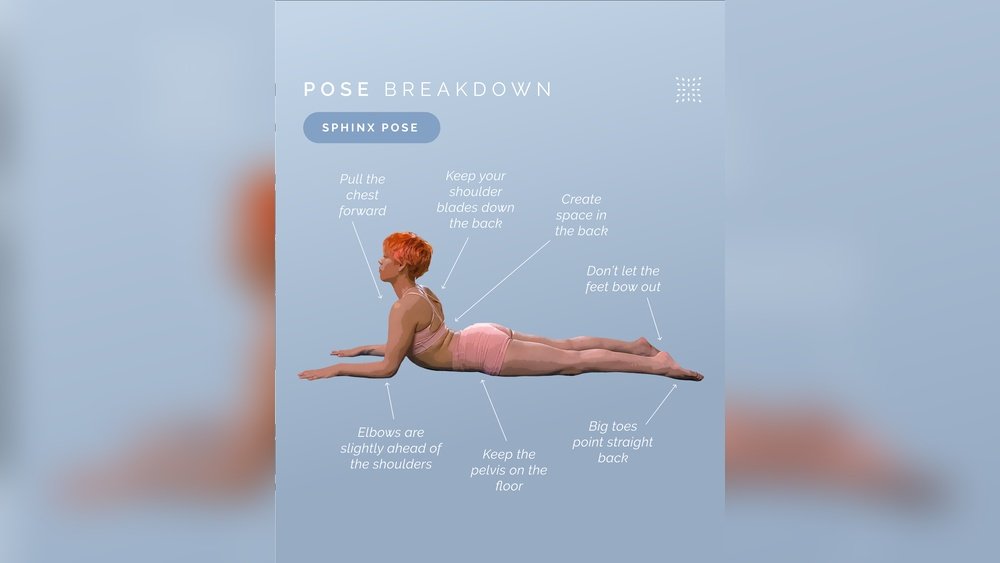
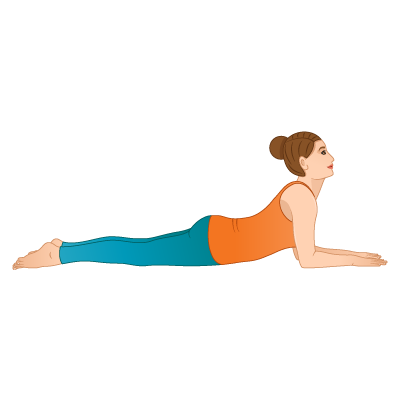
The Sphinx Pose is a gentle backbend in yoga, often used as a beginner’s introduction to deeper spinal extension. In Sanskrit, it is called Salamba Bhujangasana. Unlike some advanced backbends, Sphinx Pose is accessible to most people because it does not require extreme flexibility or strength. It is performed lying on the belly, with the forearms on the ground and the chest lifted, resembling the ancient Egyptian Sphinx.
Sphinx Pose is often included in restorative, yin, and therapeutic yoga styles. It’s also recommended for people who sit at desks or have tight lower backs because it opens the chest, strengthens the spine, and encourages better posture.
Key Benefits Of Sphinx Pose
Practicing Sphinx Pose regularly can bring several physical and mental benefits:
1. Strengthens The Spine
The gentle lift in Sphinx Pose helps activate the muscles along the spine without strain. This can improve posture and reduce the risk of back pain over time.
2. Stretches The Chest And Shoulders
This pose opens the front of the chest and shoulders, which can get tight from long hours of sitting or using electronic devices.
3. Stimulates The Abdomen
The slight compression of the belly in Sphinx Pose can stimulate digestive organs, supporting better digestion and detoxification.
4. Relieves Stress
The mild backbend helps release tension in the body and can promote a sense of calm, making it useful for stress relief.
5. Increases Spinal Flexibility
Regular practice gently increases flexibility in the lower and middle back, which is important for healthy movement.
6. Therapeutic For Fatigue
This pose is often recommended for people recovering from fatigue or illness, as it is restorative and does not use much energy.
Many beginners overlook the mental benefits. Sphinx Pose can also help with focus and mindfulness, as it encourages you to relax and breathe deeply.
Step-by-step Guide: How To Do Sphinx Pose
It’s important to approach Sphinx Pose with care, even though it is gentle. Here is a clear step-by-step guide:
1. Lie On Your Belly
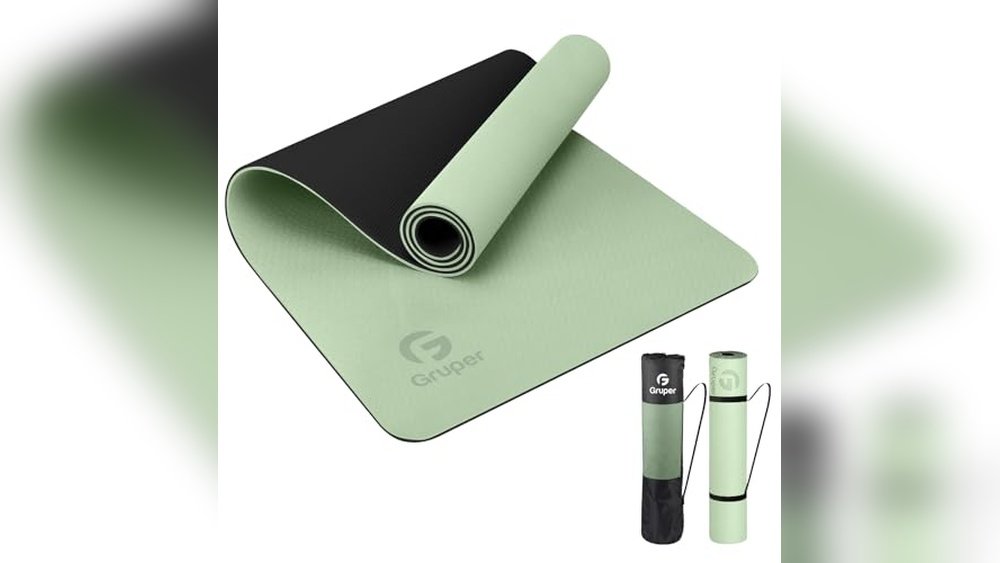
Begin by lying flat on your stomach on a yoga mat. Let your legs extend straight back, with the tops of your feet pressing into the mat.
2. Place Your Forearms On The Ground
Slide your elbows under your shoulders, with your forearms parallel to each other. Your palms should face down, fingers spread wide for support.
3. Lift Your Chest Gently
Press your forearms and hands into the mat as you slowly lift your head and upper chest. Keep your lower ribs on the ground.
4. Relax Your Shoulders
Draw your shoulders back and away from your ears, letting your chest open but without tension.
5. Engage Your Legs
Press the tops of your feet and thighs gently into the mat. This helps protect the lower back.
6. Hold And Breathe
Stay in the pose for 30 seconds to 2 minutes. Breathe slowly and deeply, feeling the stretch along your spine and chest.
7. Release
To exit, slowly lower your chest and head back to the mat. Rest with your arms at your sides before moving on.
Practical Tips For Better Sphinx Pose
- Keep your neck long—look forward, not up.
- Avoid pushing too hard with your hands; use your back muscles.
- If your lower back feels pinched, try moving your elbows slightly forward.
Who Should Practice Sphinx Pose?
Sphinx Pose is safe for most people, including beginners, seniors, and those with limited flexibility. It is especially helpful for:
- People with sedentary lifestyles or desk jobs
- Those recovering from injury or fatigue
- Pregnant women (with modifications)
- Athletes needing a gentle back stretch
However, people with serious back injuries, recent abdominal surgery, or severe spinal conditions should check with a doctor before practicing.
Common Mistakes And How To Fix Them
Even though Sphinx Pose looks simple, some mistakes can reduce its benefits or cause discomfort. Here are common errors and how to avoid them:
1. Elbows Too Far Forward Or Back
Placing elbows too far from the shoulders reduces support and strains the back. Align elbows directly under shoulders for best results.
2. Shrugging Shoulders To Ears
Lifting shoulders creates tension in the neck. Keep shoulders relaxed and away from your ears.
3. Looking Up Too Much
Tilting the head back can strain the neck. Keep your gaze soft and forward.
4. Letting Hips Lift Off The Mat
Your hips should stay on the ground. If they lift, lower your chest or move elbows forward slightly.
5. Overarching The Lower Back
Engage your abdominal muscles and legs to avoid compressing the lower back.
Beginners often miss the importance of engaging the legs and the gentle activation of the core. These subtle actions protect your back and make the pose more effective.
Variations And Modifications
Yoga is for every body, and Sphinx Pose can be adapted to suit different needs or to increase its challenge.
For Extra Support
- Blanket or Cushion: Place a folded blanket under the elbows for extra comfort, especially if you have sensitive elbows or shoulders.
- Block Under Forearms: Using yoga blocks under your forearms can raise your chest more gently.
For More Challenge
- Seal Pose: Straighten your arms and press up higher from Sphinx Pose, lifting the chest more. This is a deeper backbend and not for beginners.
- Leg Lifts: While holding Sphinx Pose, try lifting one leg at a time to engage the glutes and hamstrings.
For Less Intensity
- Elbows Slightly Forward: Move your elbows ahead of your shoulders to make the backbend less intense.
- Forehead on Hands: If Sphinx Pose is too much, rest your forehead on stacked hands instead.
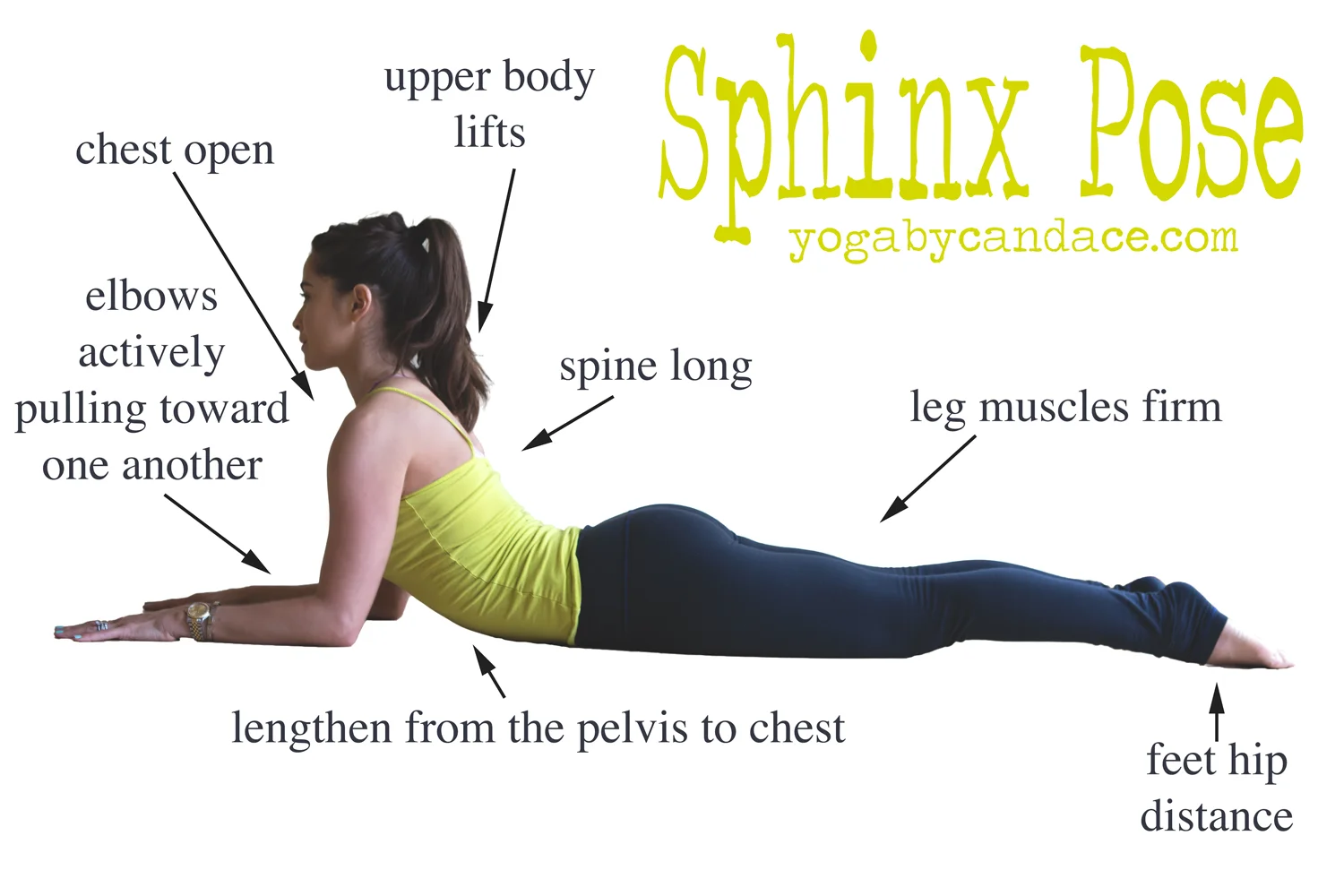
Credit: www.yogabycandace.com
Sphinx Pose In Different Yoga Styles
Sphinx Pose appears in many styles of yoga, each with a slightly different focus:
- Yin Yoga: In Yin, Sphinx Pose is held for 3–5 minutes, encouraging deep release in the connective tissues.
- Restorative Yoga: Props are used to support the chest, making the pose even more relaxing.
- Therapeutic Yoga: Sphinx is included in sequences for healing the back or improving posture.
- Vinyasa and Hatha Yoga: Sphinx is often used as a gentle warm-up or cool-down pose.
Sphinx Pose Vs. Similar Backbends
Sphinx Pose is often compared to other gentle backbends. Here is a comparison to help you understand the differences:
| Pose | Arm Position | Backbend Depth | Best For |
|---|---|---|---|
| Sphinx Pose | Forearms on ground, elbows under shoulders | Gentle | Beginners, restorative practice |
| Cobra Pose (Bhujangasana) | Hands under shoulders, arms bent or straight | Moderate to deep | Intermediate, more stretch |
| Seal Pose | Arms straight, hands wider than mat | Deep | Advanced, strong backbenders |

Credit: yogabykarina.com
When And How Often To Practice Sphinx Pose
For most people, Sphinx Pose can be practiced daily, especially as part of a morning or evening routine. It is also an excellent posture to use as a counterpose after forward bends or long periods of sitting. Hold the pose for 1–3 minutes if you are comfortable, but always listen to your body.
Example Routine
- Begin with gentle stretching or Child’s Pose.
- Move into Sphinx Pose for 1–2 minutes.
- Rest, then follow with other gentle backbends or twists.
How Sphinx Pose Supports Spinal Health
The modern lifestyle often leads to slouched posture and weak back muscles. Sphinx Pose helps reverse these effects by encouraging the spine to extend naturally. Research shows that gentle backbends can:
- Reduce lower back pain for many people
- Improve spinal mobility
- Support better breathing by opening the chest
In particular, people who work at computers or desks find that Sphinx Pose is a simple way to refresh their posture and prevent discomfort.
Sphinx Pose For Emotional Balance
Yoga is not just physical—it also affects the mind. Sphinx Pose is calming because it opens the heart and encourages slow, deep breathing. Many people feel more grounded and clear-headed after practicing. This emotional balance is especially helpful during stressful times or when you need to relax after a busy day.
Who Should Avoid Sphinx Pose
Although Sphinx Pose is gentle, there are some cases where caution is necessary:
- Serious back injuries: Consult a healthcare provider before trying.
- Recent abdominal surgery: Pressure on the belly may not be safe.
- Pregnancy (late stages): Ask for modifications to reduce belly pressure.
If you feel pain (not just stretch) in your lower back, neck, or shoulders during the pose, stop and rest.
How To Add Sphinx Pose To A Yoga Sequence
Sphinx Pose works well in many yoga sequences, especially as a gentle backbend or as a transition between floor poses. Here’s an example sequence for beginners:
- Cat-Cow Pose (to warm up the spine)
- Child’s Pose (for relaxation)
- Sphinx Pose (hold for 1–2 minutes)
- Cobra Pose (if comfortable)
- Seated Twist (release the back)
- Relaxation or Savasana
This sequence balances gentle movement with stillness and can be done in 10–15 minutes.
Sphinx Pose For Different Body Types
Not every body looks the same in Sphinx Pose, and that’s okay. Flexibility, strength, and proportions affect how the pose feels. If you have a larger chest or tight shoulders, use props or adjust the elbow position. The goal is comfort and a gentle stretch—not forcing your body into a perfect shape.
Sphinx Pose: Data And Research Insights
Some studies have looked at the effects of gentle backbends like Sphinx Pose on health. Here is a summary of research findings:
| Study/Source | Findings |
|---|---|
| International Journal of Yoga (2015) | Backbends like Sphinx can reduce chronic lower back pain |
| Harvard Health | Gentle yoga supports spinal mobility and relaxation |
| Yoga Alliance Data | Gentle poses are safe for most age groups and effective for stress |
For further details, you can read more at Wikipedia.
Breathing Techniques In Sphinx Pose
Breath is important in yoga. In Sphinx Pose, try these techniques:
- Diaphragmatic Breathing: Inhale deeply into your belly, then exhale slowly.
- 3-Count Breathing: Inhale for 3 counts, hold for 2, exhale for 3.
These help relax the body and make the pose more effective.
Credit: www.yogaclassplan.com
Sphinx Pose For Desk Workers
Modern life puts a lot of strain on the back and neck. Desk workers can benefit from Sphinx Pose by practicing it after long periods of sitting. Even 2–3 minutes a day can help reduce tension and improve posture. You do not need fancy yoga clothes—just a mat or soft surface.
Using Props To Enhance Sphinx Pose
Props can make Sphinx Pose more comfortable and accessible. Try these ideas:
- Place a rolled towel under your thighs if your hips feel tight.
- Use a small pillow under your chest for extra support.
- Rest your forehead on a block for a more restful version.
Frequently Asked Questions
What Is The Main Difference Between Sphinx Pose And Cobra Pose?
Sphinx Pose is gentler, with the forearms on the ground and the elbows under the shoulders. Cobra Pose uses the hands and can be a deeper backbend. Sphinx is better for beginners or those needing a restorative posture.
How Long Should I Hold Sphinx Pose?
Most people hold Sphinx Pose for 30 seconds to 2 minutes. In Yin Yoga, you may hold it for up to 5 minutes. Always listen to your body and come out of the pose if you feel discomfort.
Can Sphinx Pose Help With Back Pain?
Yes, for many people, Sphinx Pose can relieve mild lower back pain and improve posture. However, if your pain is severe or caused by injury, consult a doctor before practicing.
Is Sphinx Pose Safe During Pregnancy?
Sphinx Pose can be safe during early pregnancy with modifications, such as using a bolster under the chest. In later stages, avoid pressure on the belly and ask a yoga teacher for guidance.
What Should I Do If I Feel Discomfort In Sphinx Pose?
If you feel pain (not just stretch), lower your chest, move your elbows forward, or add a prop for support. Never force your body. If discomfort continues, stop and rest.
Practicing the Sphinx Pose is a gentle way to strengthen your back, open your heart, and relax your mind. It is accessible, adaptable, and effective for people from all walks of life. Whether you use it as a daily stretch or a way to unwind after work, Sphinx Pose is a valuable tool for wellness and self-care.