The Yoga Toe Stand Pose: Balance, Focus, And Inner Strength
Finding true balance in life is not easy. In yoga, there is a unique posture that captures the essence of both physical and mental equilibrium: the Toe Stand Pose (Padangusthasana). While it may look simple at first glance, this posture challenges even experienced yogis. It is more than just balancing on your toes—it’s an exercise in patience, concentration, and self-awareness.
In this article, you will discover the full journey of Toe Stand Pose. We will explore its roots, health benefits, detailed steps, safety tips, and ways to adapt the pose for all levels. You will also find practical insights and answers to common questions.
Whether you are a beginner or an advanced practitioner, this guide will help you approach Toe Stand Pose with clarity and confidence.
What Is The Yoga Toe Stand Pose?
Toe Stand Pose, known in Sanskrit as Padangusthasana, is a classic balancing posture found in several yoga traditions, including Bikram and Hatha yoga. In this pose, you begin in a standing position and then lower yourself to balance on your toes with your hands in a prayer position. The posture looks delicate, but it requires strong ankles, flexible hips, and a steady mind.
Padangusthasana is not just a physical challenge. It is a deep practice in mindfulness, teaching you to pay attention to every shift in your body and breath. Many people find it humbling because it reveals our strengths and weaknesses with honesty.
The Origins And Symbolism Of Toe Stand Pose
Toe Stand Pose is rooted in the ancient tradition of Hatha Yoga. The Sanskrit name comes from “Pada” (foot), “Angustha” (big toe), and “Asana” (pose). This posture is sometimes associated with yogis who meditate standing on their toes for long periods, building intense concentration and discipline.
The pose symbolizes lightness, focus, and resilience. Balancing on your toes encourages you to let go of fear and trust your body. The hands in prayer position at the heart center (Anjali Mudra) remind you to balance physical effort with inner calm.
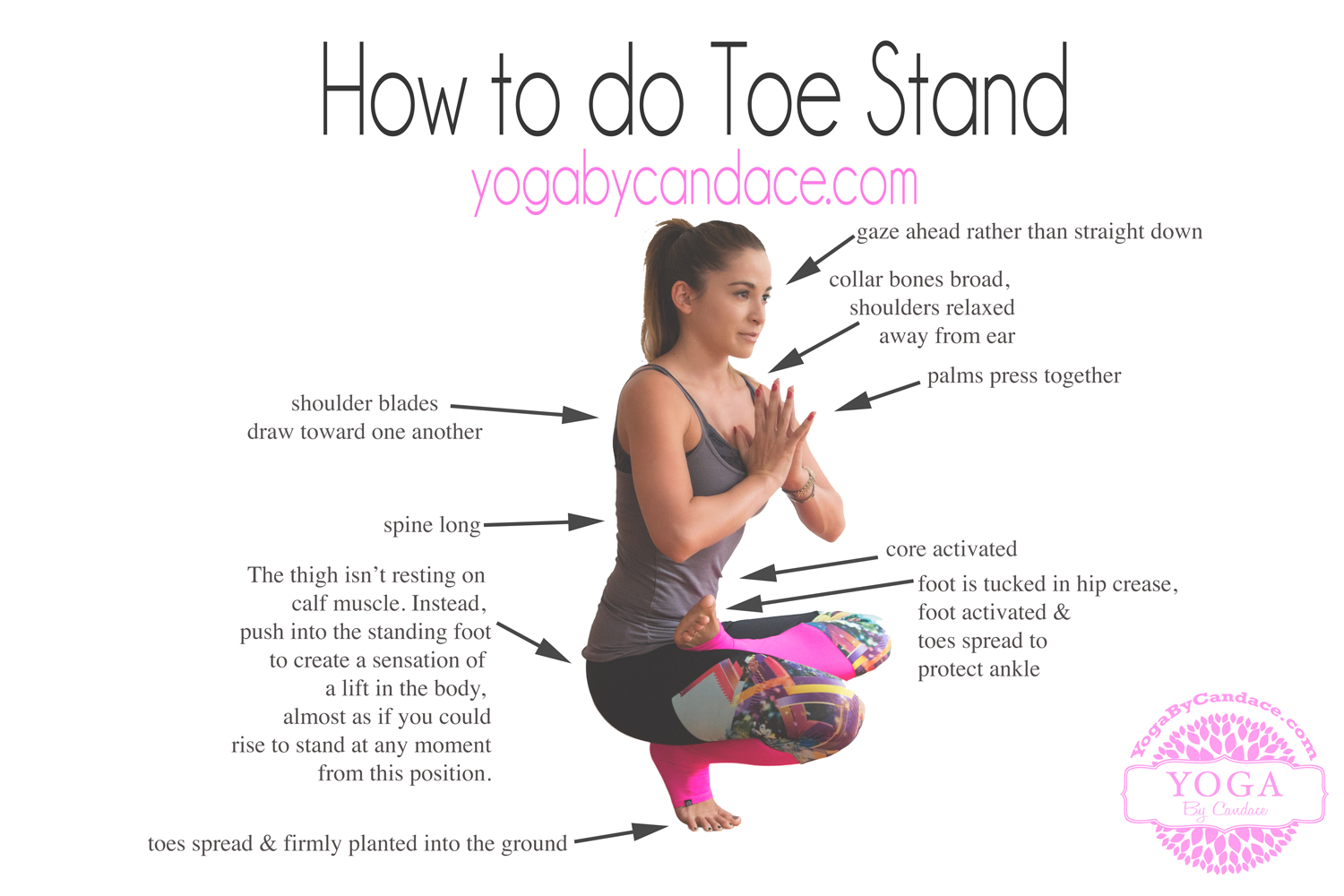
Credit: www.yogabycandace.com
Physical And Mental Benefits
Practicing Toe Stand Pose regularly can bring many rewards. Here are some of the most important benefits:
- Improves balance and stability: Balancing on the toes strengthens the ankles, feet, and legs, improving your overall sense of balance.
- Builds lower body strength: The pose engages your calves, quadriceps, and glutes, making them stronger over time.
- Increases hip flexibility: As you lower into the squat, your hip joints open and become more mobile.
- Enhances focus and concentration: Staying upright requires you to be fully present, training your mind to stay in the moment.
- Develops patience: Toe Stand Pose can be frustrating at first, but with practice, you learn to stay calm and persistent.
- Strengthens core muscles: You must engage your core to keep your body upright and steady.
- Improves posture: The alignment in this pose teaches you to stand tall and confident, even off the mat.
- May help with flat feet: Balancing on the toes can stimulate and strengthen the arches of the feet, which is useful for those with flat feet.
- Reduces stress: The focus required brings your attention away from worries, helping to calm the mind.
- Boosts self-confidence: Mastering a challenging pose like Toe Stand can give you a sense of achievement.
A non-obvious insight: Many beginners try to force the squat, but the true secret to the pose is learning to let your weight rest naturally over your toes. Another subtle benefit is how the pose teaches you to respond, not react—when you wobble, you learn to adjust gently, not with panic.
Step-by-step Guide: How To Do Toe Stand Pose
Approaching Toe Stand Pose for the first time can feel intimidating. Follow these steps for a safe and structured practice:
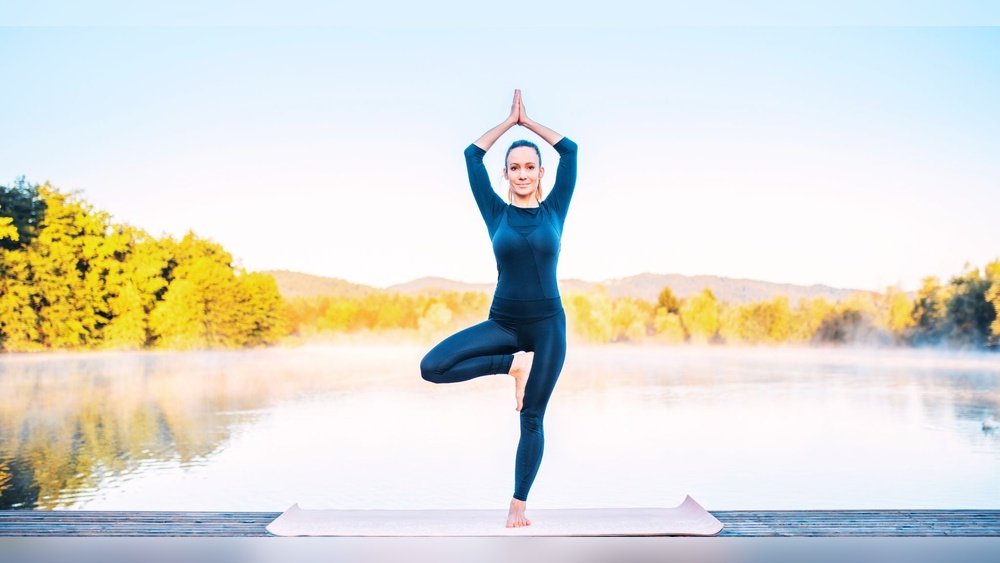
- Begin in Tree Pose (Vrksasana): Stand tall with your feet together. Bring your right foot to the inside of your left thigh or calf (avoid the knee).
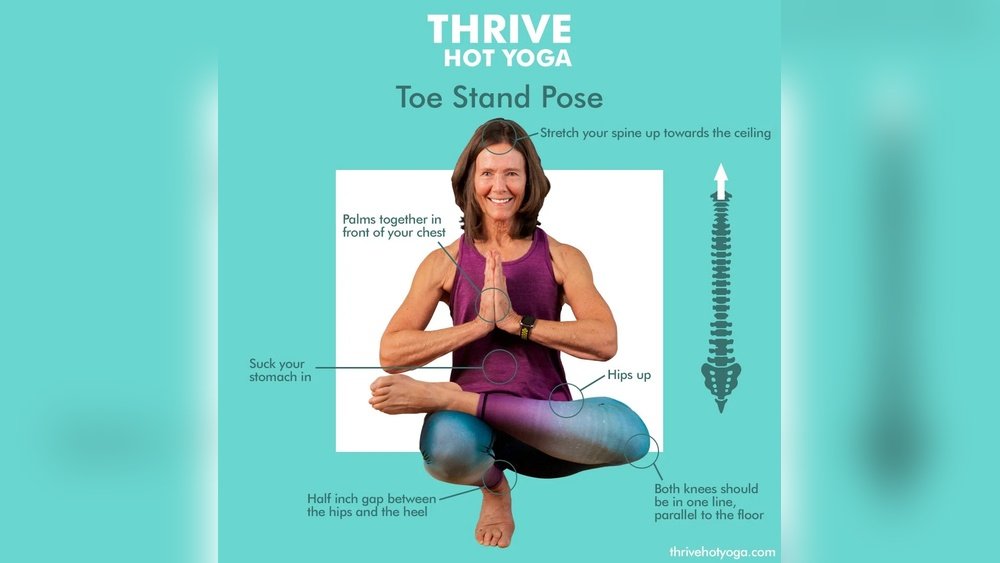
- Find your balance: Bring your hands to prayer position (Anjali Mudra) at your chest. Take a few breaths and steady your gaze on a point in front of you.
- Bend the standing knee: Slowly bend your left (standing) knee. Lower your hips, keeping your spine straight and chest lifted.
- Lower to a squat: As you come down, keep the right foot on your left thigh. Gradually lift your left heel so you are balancing on the toes of your left foot.
- Sit onto the heel: Gently sit back so your left heel is under your sitting bones. The right foot remains on the left thigh.
- Balance: Bring your hands back to prayer. Keep your spine long, shoulders relaxed, and focus your eyes on a point ahead.
- Hold the pose: Stay for 5-10 breaths, or as long as comfortable.
- Exit with control: Press into your toes, lift your hips, and return to standing. Shake out your legs before switching sides.
Repeat on the other side. Always practice both sides for balance.
Tips For Success
- Practice near a wall or chair for support if you are new to the pose.
- Do not rush lowering down—move slowly and mindfully.
- If your heel does not touch the ground, stay higher or use a folded blanket.
- Keep your breath even and steady.
Common Mistakes To Avoid
- Leaning too far forward or backward—keep your weight centered.
- Collapsing the chest—maintain an open heart and straight spine.
- Forcing the knee down—let flexibility develop over time.
- Holding your breath—remember to breathe deeply.
Modifications And Variations
Everyone’s body is different. Toe Stand Pose can be adjusted to fit your needs and abilities.
For Beginners
- Use a wall: Stand beside a wall for balance as you lower yourself.
- Go halfway: Lower only partway, balancing on the toes without sitting fully down.
- Support under the heel: Place a yoga block or folded blanket under your heel for extra lift.
For Advanced Practitioners
- No hand support: Balance with hands in the air or outstretched for more challenge.
- Eyes closed: Practice closing your eyes once you are balanced to improve proprioception.
- Add arm variations: Lift your arms overhead or bring them behind your back.
For Injuries Or Mobility Limits
If you have ankle, knee, or hip injuries, consult a doctor or experienced yoga teacher before trying this pose. You can practice the preparatory stages or use extra props for safety.
Preparatory Poses
Building strength and flexibility before attempting Toe Stand Pose can make the journey smoother. Here are helpful preparatory poses:
- Tree Pose (Vrksasana): Teaches balance on one leg.
- Garland Pose (Malasana): Opens hips and improves squat depth.
- Chair Pose (Utkatasana): Builds leg and core strength.
- Standing Forward Bend (Uttanasana): Stretches hamstrings and calves.
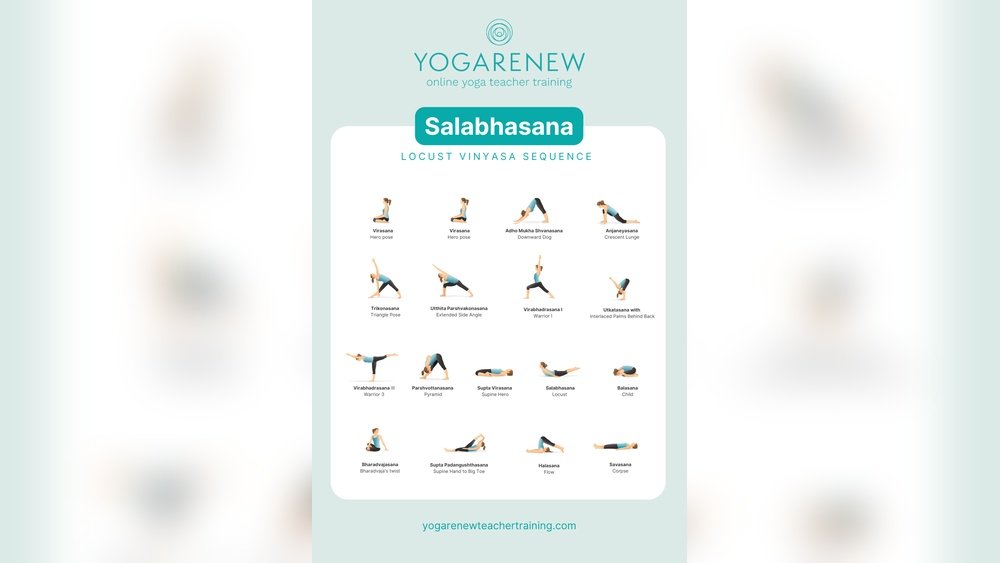
- Reclining Hand-to-Big-Toe Pose (Supta Padangusthasana): Stretches and strengthens the feet and legs.
Regular practice of these poses prepares your body for the unique demands of Padangusthasana.

Credit: yogajala.com
Safety Precautions
Toe Stand Pose is not suitable for everyone. Here are important safety tips:
- Avoid if injured: If you have ankle, knee, or hip injuries, skip this pose.
- Warm up first: Start with gentle stretches and balancing postures.
- Never force: Go only as far as your body allows. Forcing can lead to injury.
- Listen to your body: Sharp pain is a sign to stop.
- Practice on a non-slip surface: This reduces the risk of falling.
Pregnant individuals, people with severe arthritis, or those with recent lower body surgery should avoid this pose unless guided by a professional.
How Toe Stand Pose Compares To Other Balancing Poses
Understanding how Toe Stand differs from other balancing postures can deepen your practice. Here is a comparison:
| Pose Name | Main Focus | Balance Point | Difficulty Level |
|---|---|---|---|
| Toe Stand (Padangusthasana) | Balance, hip flexibility, focus | Toes of one foot | Advanced |
| Tree Pose (Vrksasana) | Balance, posture | Whole standing foot | Beginner |
| Eagle Pose (Garudasana) | Balance, joint mobility | Whole standing foot | Intermediate |
Toe Stand Pose is unique because it shifts all your weight to the toes, requiring more focus and ankle strength than most other standing postures.
Progression: How To Master Toe Stand Over Time
Learning Toe Stand Pose is a journey. Here’s how you can progress safely:
- Start with Tree Pose: Practice balancing on one foot daily.
- Work on hip flexibility: Add Malasana and gentle hip openers to your routine.
- Strengthen your feet: Walk on tiptoes, use a tennis ball to massage your arches.
- Try partial squats: Lower halfway down and hold for a few breaths.
- Use props: Practice with wall support until you feel steady.
- Patience is key: Progress may be slow, but consistency matters more than speed.
A key detail: Many yogis do not realize that core engagement is as important as leg strength. A strong core helps prevent wobbling and supports your spine.
How Often Should You Practice?
For best results, include Toe Stand practice 2-3 times per week. Even 2-3 minutes per session is enough when combined with other balancing and hip-opening postures.
Over-practicing can strain your ankles, so listen to your body and take rest days. As you progress, you may hold the pose longer or experiment with variations.
Real-life Applications Of Toe Stand Pose
Balancing on your toes may seem like a trick, but the benefits go beyond the mat:
- Improved balance helps in daily activities like climbing stairs or walking on uneven ground.
- Better focus translates to work, study, and relationships.
- Physical awareness reduces the risk of falls and injuries.
- Increased patience helps you handle frustration in life, not just yoga.
Professional athletes and dancers often use similar balance training to sharpen their skills.
Toe Stand Pose In Different Yoga Styles
This pose appears in several yoga traditions, each with slight differences.
- Bikram Yoga: Toe Stand is one of 26 set postures and is practiced in a specific sequence. The focus is on stillness and gaze.
- Hatha Yoga: The pose may be used as a balance drill and often includes more use of props or variations.
- Vinyasa/Flow Classes: Toe Stand is less common but may be included as a peak posture for balance and focus.
Here is a simple comparison:
| Yoga Style | Toe Stand Approach | Unique Feature |
|---|---|---|
| Bikram | Traditional, set sequence | Long holds, fixed gaze |
| Hatha | More modifications allowed | Gentler pace |
| Vinyasa | Flow into and out of pose | Dynamic movement |
Scientific Perspective: What Research Says
Recent studies show that single-leg balance training can improve joint stability, proprioception (body awareness), and reduce the risk of falls, especially in older adults. While there is limited research on Toe Stand Pose specifically, the principles apply to most balance-focused yoga poses.
A 2016 review in the International Journal of Yoga Therapy found that yoga balance postures improved postural control and ankle strength. For those interested in the science behind yoga, more details can be found at Wikipedia: Yoga as exercise.
Frequently Asked Questions
What If I Can’t Balance On My Toes?
You can practice with support from a wall or chair. Lower only partway and stay as long as you feel steady. Over time, your balance will improve. Do not rush the process.
Is Toe Stand Pose Safe For Everyone?
No. People with injuries to the ankles, knees, or hips should avoid this pose. If you have health concerns, consult a doctor or a qualified yoga teacher before trying Toe Stand.
How Long Should I Hold Toe Stand Pose?
Begin with 3-5 breaths. As you get stronger and more comfortable, you can hold for up to 30 seconds or longer. Focus on quality of alignment, not duration.
Can I Do Toe Stand Pose Every Day?
It is best to practice Toe Stand 2-3 times a week. Daily practice can lead to overuse or strain, especially for beginners. Listen to your body and rest when needed.
What Are The Most Important Muscles Used In Toe Stand?
The pose mainly uses the ankle stabilizers, calves, quadriceps, glutes, and core muscles. Flexibility in the hips and strength in the feet are also key.
Toe Stand Pose is a test of balance, strength, and mental clarity. With patience and regular practice, you will not only improve your yoga skills but also develop focus and resilience that can help you in everyday life. Remember, mastery comes with consistent effort and a willingness to learn from every wobble.
Credit: www.reddit.com