
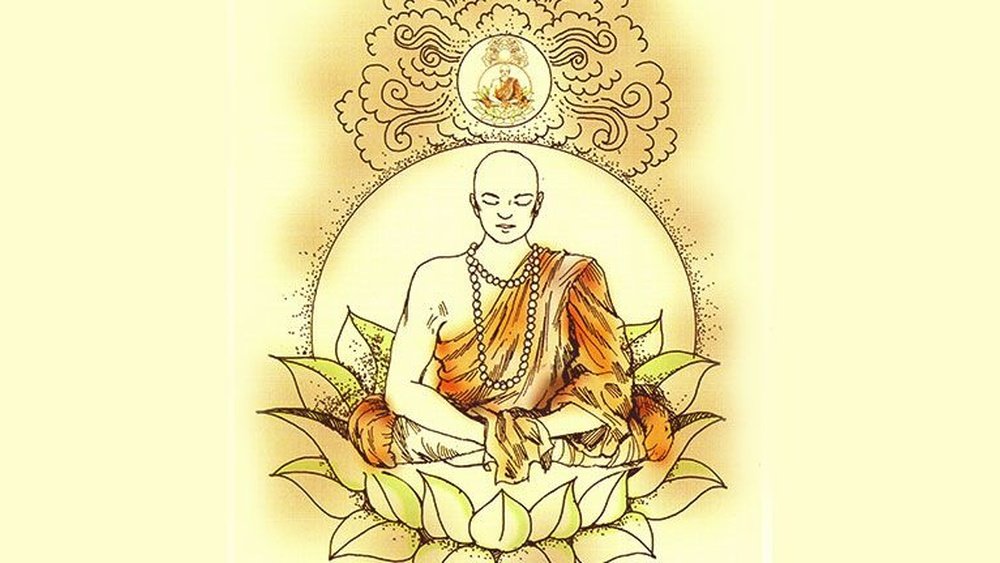
Have you ever wondered if there’s a way to truly understand yourself beyond the surface? Jnana Yoga in Hinduism offers a powerful path to uncovering the deepest truth about who you really are.
It’s not just about learning facts or reading scriptures—it’s about using your own mind and wisdom to break through illusions and discover pure self-knowledge. If you’re ready to challenge your usual thinking and explore a path that leads to lasting inner freedom, keep reading.
This article will guide you through the essence of Jnana Yoga and show why it’s considered one of the most direct, yet challenging, roads to spiritual awakening. Your journey to clarity and insight starts here.
Credit: www.poojn.in
Jnana Yoga Basics
Jnana Yoga Basics introduce the path of knowledge and wisdom in Hinduism. It guides seekers to understand the true nature of the self. This journey relies on learning, reflection, and deep questioning.
The practice focuses on clear thinking and insight rather than physical exercises or rituals. It aims to help individuals realize their unity with the ultimate reality, often called Brahman.
Meaning And Origin
Jnana means knowledge, especially spiritual knowledge. Yoga means union or path. Together, Jnana Yoga means the path of knowledge.
This path traces back to ancient Hindu scriptures, like the Upanishads and the Bhagavad Gita. These texts teach that wisdom can free the soul from suffering and ignorance.
Key Concepts
Jnana Yoga centers on self-inquiry and understanding the difference between the real and unreal. It encourages questioning “Who am I?” to explore the true self.
Important ideas include viveka (discernment), vairagya (detachment), and shatsampatti (six virtues). These help purify the mind and sharpen insight.
Through meditation and study, practitioners seek to overcome illusion and realize their oneness with the universe.
Role In Hinduism
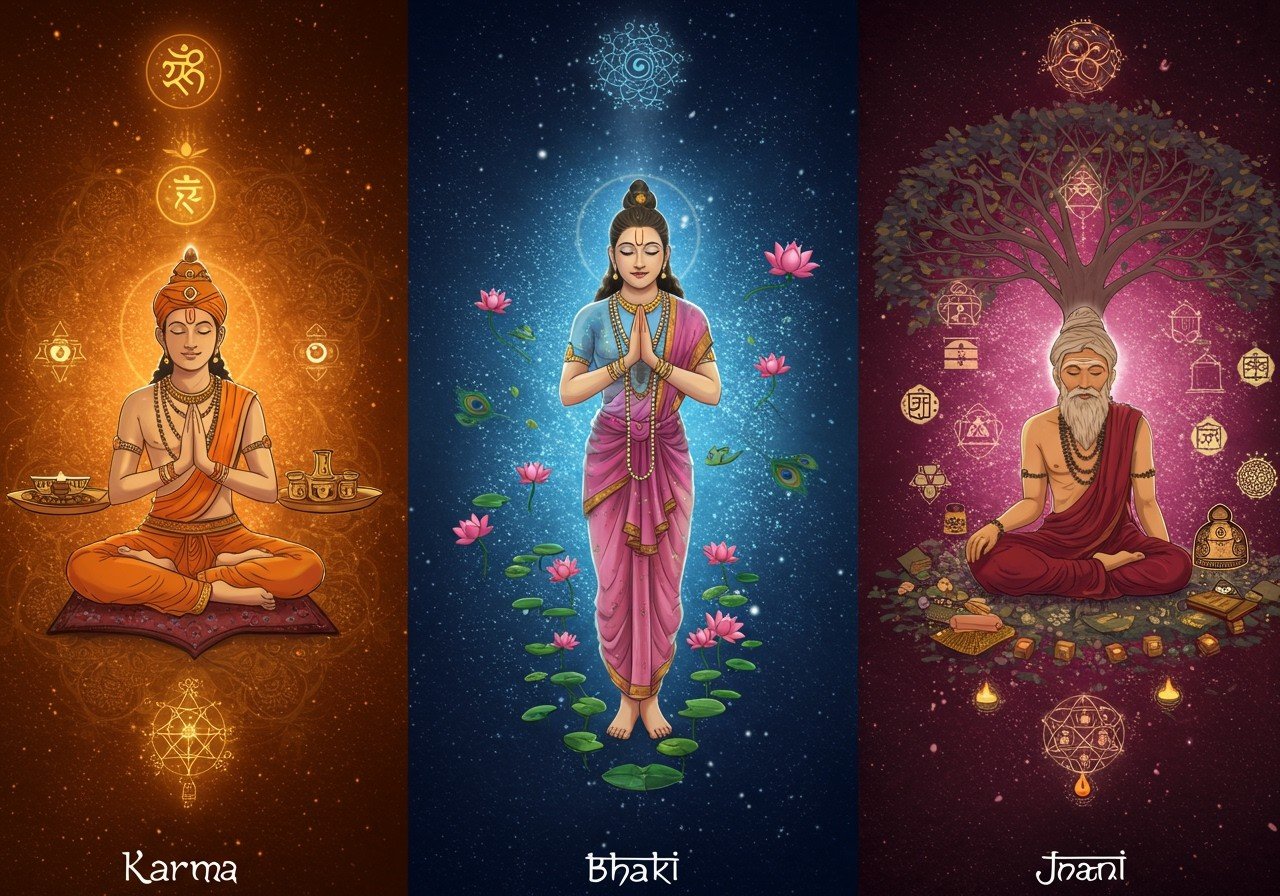
Jnana Yoga holds a key place as one of the main paths to spiritual liberation. It complements other yogas like Bhakti (devotion) and Karma (action).
Many Hindu teachers emphasize Jnana Yoga for those drawn to intellectual understanding. It offers a direct way to reach moksha, or freedom from the cycle of birth and death.
This path inspires seekers to live with clarity and wisdom, transforming their view of life and self.
Core Principles
Jnana Yoga is the path of knowledge and wisdom in Hinduism. It focuses on understanding the true nature of reality. Its core principles guide seekers toward self-realization and liberation. These principles help to clear confusion and deepen insight. They form the foundation for spiritual growth through intellect and discrimination.
The core principles of Jnana Yoga include discrimination, detachment, virtues, and a deep yearning for liberation. Each principle plays a vital role in purifying the mind and opening the way to higher knowledge.
Viveka: Discrimination
Viveka means the power to distinguish between the real and the unreal. It teaches to see beyond temporary things. The seeker learns to focus on what is eternal. This discrimination helps to avoid distractions and false beliefs. It sharpens the mind to recognize true wisdom.
Vairagya: Detachment
Vairagya is the practice of letting go of attachments. It means not clinging to pleasures, pain, or material things. Detachment brings peace by reducing desires and fears. This principle frees the mind from bondage. It creates space for deeper understanding and calmness.
Sixfold Virtues
The six virtues support the journey of Jnana Yoga. They include calmness, self-control, withdrawal, endurance, faith, and concentration. These qualities strengthen the mind and keep it steady. Practicing these virtues builds inner stability and clarity. They help the seeker remain focused on the path.
Yearning For Liberation
A strong desire for freedom is essential in Jnana Yoga. This yearning motivates constant effort to seek truth. It pushes the seeker to overcome doubts and obstacles. The deep longing for liberation keeps the mind alert. It inspires dedication to self-inquiry and spiritual practice.
Practices In Jnana Yoga
Jnana Yoga focuses on knowledge and wisdom to reach self-realization. Its practices help seekers understand the true nature of the self. This path requires mental clarity and deep reflection. Practicing Jnana Yoga involves several key activities. These include studying sacred texts, meditating, asking profound questions, and contemplating truths.
Scripture Study
Studying scriptures like the Upanishads and Bhagavad Gita is essential. These texts contain timeless wisdom about the self and the universe. Reading them regularly sharpens the mind and deepens understanding. It helps separate truth from illusion. Reflection on scriptural teachings guides the seeker toward spiritual insight.
Meditation Techniques
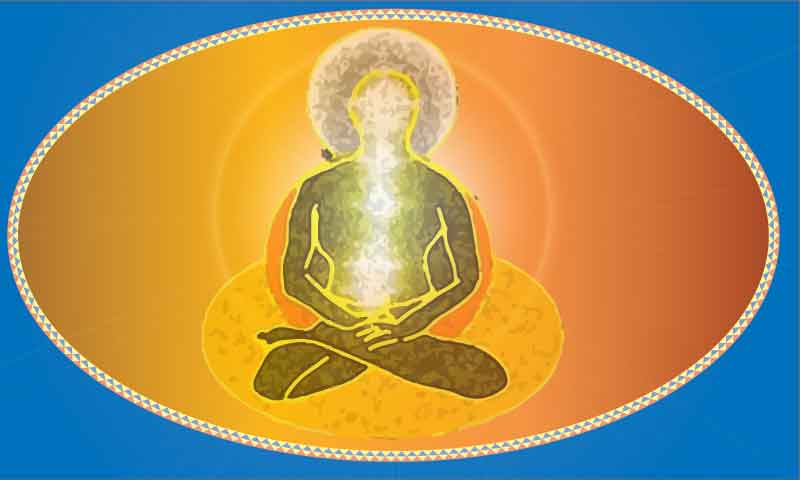
Meditation in Jnana Yoga focuses on calming the mind. Practitioners observe thoughts without attachment or judgment. This quiets mental noise and reveals deeper awareness. Meditation helps connect intellect with intuition. It creates space to grasp subtle truths beyond ordinary thinking.
Self-inquiry Questions
Self-inquiry is a vital method in Jnana Yoga. Asking questions like “Who am I?” challenges false identities. This practice dissolves ego and reveals the true self. Repeated questioning leads to direct experience of pure consciousness. It encourages honesty and inner clarity.
Contemplation Methods
Contemplation involves focused thinking on spiritual ideas. It includes reflecting on the nature of reality, life, and death. This method deepens understanding through sustained mental effort. Contemplation strengthens wisdom and detachment. It supports the journey toward liberation by clarifying perception.
Credit: www.hinduwebsite.com
Jnana Yoga And Spiritual Wisdom
Jnana Yoga is the path of knowledge and wisdom in Hinduism. It guides seekers toward deep spiritual understanding. This yoga focuses on learning about the true nature of the self and the universe. Through wisdom, it helps individuals awaken to their spiritual reality.
This path is not about physical exercises or rituals. Instead, it uses the mind and intellect to explore life’s deepest questions. The goal is to gain clear insight into who we really are beyond our everyday identity.
Self-realization Process
Self-realization is the core of Jnana Yoga. It means knowing your true self beyond the body and mind. This knowledge comes from studying sacred texts and meditating on key questions like “Who am I?”
Through self-inquiry, illusions fade and real identity shines. The seeker learns to see the difference between the temporary and the eternal. This process leads to inner peace and clarity.
Transcending The Ego
Jnana Yoga teaches how to move beyond the ego’s limits. The ego creates a false sense of separation and pride. By understanding its nature, the seeker learns to let go of this false self.
Transcending the ego means stopping identification with thoughts, emotions, and social roles. This allows the true self to emerge, free from attachments and fears.
Unity Of Atman And Brahman
Jnana Yoga reveals the unity of Atman and Brahman. Atman is the inner self or soul. Brahman is the ultimate reality or cosmic spirit.
The practice shows that Atman and Brahman are not different. They are one and the same, beyond all appearances. Realizing this unity is the highest spiritual wisdom in Jnana Yoga.
Challenges And Rewards
Jnana Yoga is a path filled with challenges and deep rewards. It demands a strong will and clear understanding. This path tests the seeker’s mind and spirit continuously.
Each step requires effort and brings new insights. The journey may seem tough, but the rewards go beyond ordinary experience. It offers a chance to see reality clearly and find lasting peace.
Difficulty Of The Path
Jnana Yoga is not an easy journey. It asks seekers to question everything they believe. The path involves intense self-inquiry and facing uncomfortable truths. Many find it hard to stay committed. The mind often resists letting go of old ideas. This resistance makes progress slow and difficult.
Mental Discipline Required
Strong mental discipline is key in Jnana Yoga. The seeker must control distractions and doubts. Meditation and study help develop this discipline. Constant reflection on questions like “Who am I?” sharpens the mind. Without focus, the seeker can lose direction. Patience and persistence build the necessary strength.
Ultimate Liberation
The greatest reward of Jnana Yoga is liberation, or moksha. This means freedom from suffering and ignorance. The seeker realizes their true nature beyond body and mind. It brings deep peace and joy that do not depend on the outside world. This final understanding ends the cycle of birth and death.
Jnana Yoga In Modern Life
Jnana Yoga teaches wisdom through knowledge and self-inquiry. It helps people understand who they truly are beyond the mind and body.
Today, many face stress, confusion, and fast changes. Jnana Yoga offers clarity and peace by encouraging deep thinking and truth-seeking.
People use its principles to handle daily challenges with calm and clear vision. It brings balance between intellect and inner awareness.
Applying Wisdom Daily
Jnana Yoga shows how to use wisdom in everyday life. It asks us to question our thoughts and beliefs carefully.
By reflecting on “Who am I?” we find deeper meaning in simple actions. This practice helps reduce stress and improve decision-making.
Wisdom guides us to act with honesty and kindness, not just habit or emotion. It creates a peaceful mind and better relationships.
Balancing Intellect And Spirituality
Jnana Yoga blends thinking with spiritual growth. It uses the mind to explore beyond the surface of life.
This balance prevents being trapped in endless thoughts or ignoring reality. It leads to true understanding, not just knowledge.
Modern life needs this balance to avoid burnout and confusion. Jnana Yoga teaches us to be wise and calm in all situations.
Integration With Other Yogas
Jnana Yoga works well with other yogas like Bhakti (devotion) and Karma (action). Together, they support a full spiritual path.
For example, knowledge from Jnana Yoga can deepen devotion and improve selfless action. Each path strengthens the others.
This integration helps people grow in many ways—mind, heart, and body. It suits modern needs for a complete, balanced life.
Credit: www.sanatansociety.org
Frequently Asked Questions
What Is The Meaning Of Jnana Yoga?
Jnana Yoga means the path of knowledge and wisdom in Hinduism. It leads to self-realization through deep study and meditation. Practitioners seek to understand their true self beyond the ego by using intellect and discernment. It is a direct but challenging way to achieve spiritual liberation.
Is Jnana Yoga Hard To Practice?
Jnana Yoga can be challenging because it requires deep self-inquiry and understanding beyond the mind. It demands consistent study, meditation, and reflection to realize truth and attain liberation. Patience and dedication make the practice more accessible over time.
What Are The Four Principles Of Jnana Yoga?
The four principles of Jnana Yoga are viveka (discernment), vairagya (detachment), shadshampat (six virtues), and mumukshutva (intense desire for liberation). These guide seekers toward wisdom and self-realization by cultivating knowledge and detaching from illusions.
How Is Jnana Yoga Done?
Jnana Yoga is practiced through studying scriptures, meditating, and self-inquiry by asking “Who am I? ” To transcend ego and realize truth.
Conclusion
Jnana Yoga guides seekers to find truth through wisdom and self-study. It asks deep questions like “Who am I? ” to uncover the real self. This path uses the mind to go beyond the mind’s limits. It is challenging but brings clarity and inner peace.
Anyone willing to reflect and learn can follow this path. The practice leads to freedom from ego and false beliefs. Jnana Yoga offers a way to understand life’s deeper meaning. It remains a vital part of Hindu spiritual teachings today.